

At a glance
Summary
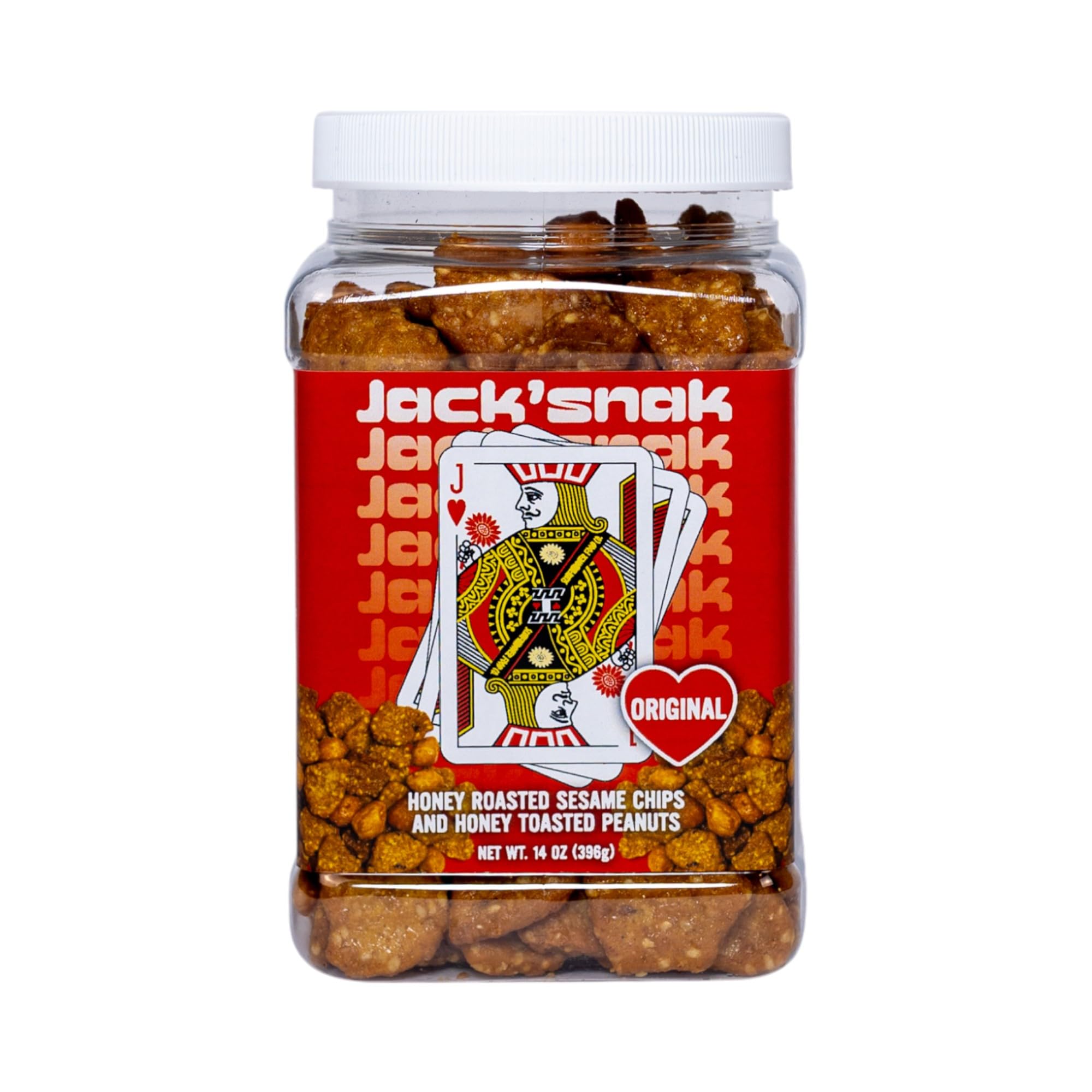
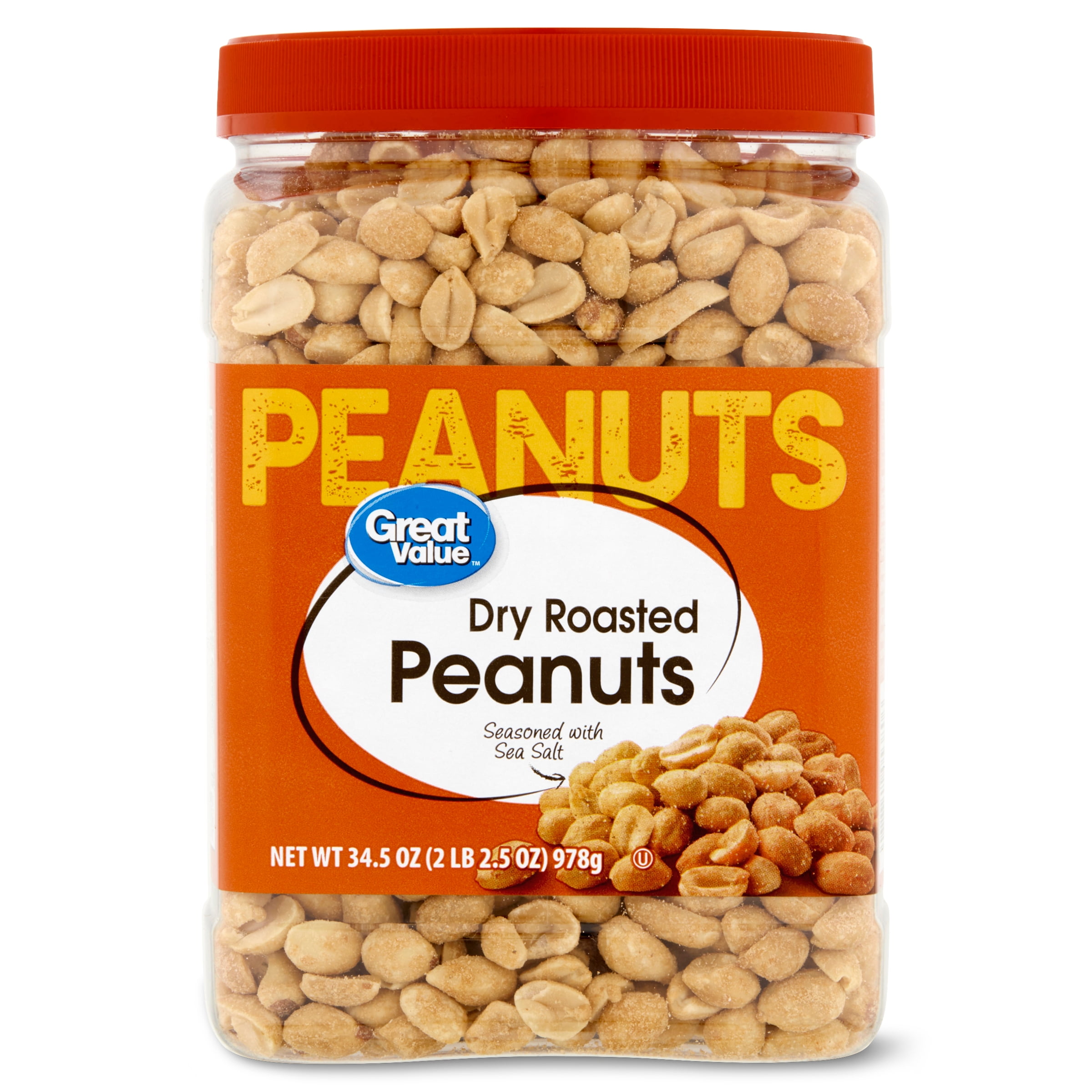
The honey roast peanuts contain beneficial ingredients like peanuts and sea salt, which provide protein, healthy fats, and essential minerals. However, the product is processed and includes refined sugar, sunflower oil, and maltodextrin, which are associated with negative health impacts such as inflammation and blood sugar spikes. The presence of these processed ingredients and the overall processing level limit the healthiness of the product.
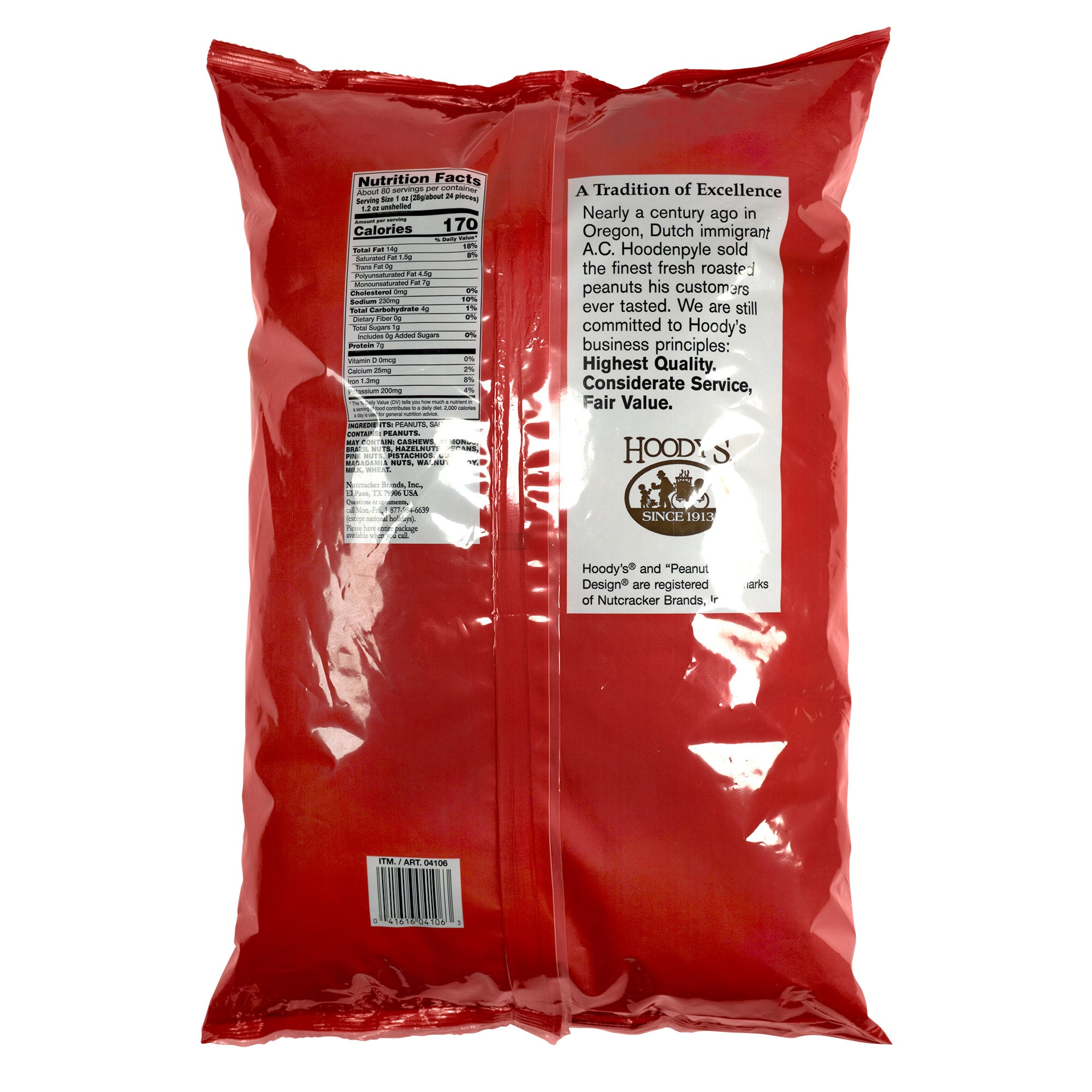
Key ingredients 8
PeanutsGood
Peanuts are a natural source of protein and healthy fats, making them a nutritious component of this product.
See more about Peanuts →HoneyGood
Honey is a natural sweetener that provides flavor and some antioxidants, making it a better alternative to refined sugar.
See more about Honey →Sea SaltGood
Sea salt enhances flavor and provides essential minerals, making it a preferable choice over processed salts.
See more about Sea Salt →Potato StarchNeutral
Potato starch is used as a thickening agent and has a neutral impact on health when consumed in moderation.
See more about Potato Starch →Xanthan GumNeutral
Xanthan gum is a common food additive used as a thickener and stabilizer with minimal health impact.
See more about Xanthan Gum →SugarBad
Sugar adds sweetness but can contribute to excess calorie intake and is generally considered less healthy in large amounts.
See more about Sugar →MaltodextrinBad
Maltodextrin is a processed carbohydrate that can cause rapid spikes in blood sugar levels and is considered less healthy.
See more about Maltodextrin →Vegetable Oil (Peanut Oil and/or Sunflower Seed Oil)Very Bad
Vegetable oils like peanut or sunflower oil are highly processed and contain unhealthy fats, which can negatively impact health.
Processing
Processed Foods
Get the full breakdown in the Scout appTake Scout shopping
Scan any product to see lab results, healthy alternatives, and your personalized analysis.
Download on theApp Store GET IT ONGoogle Play