



At a glance
Summary
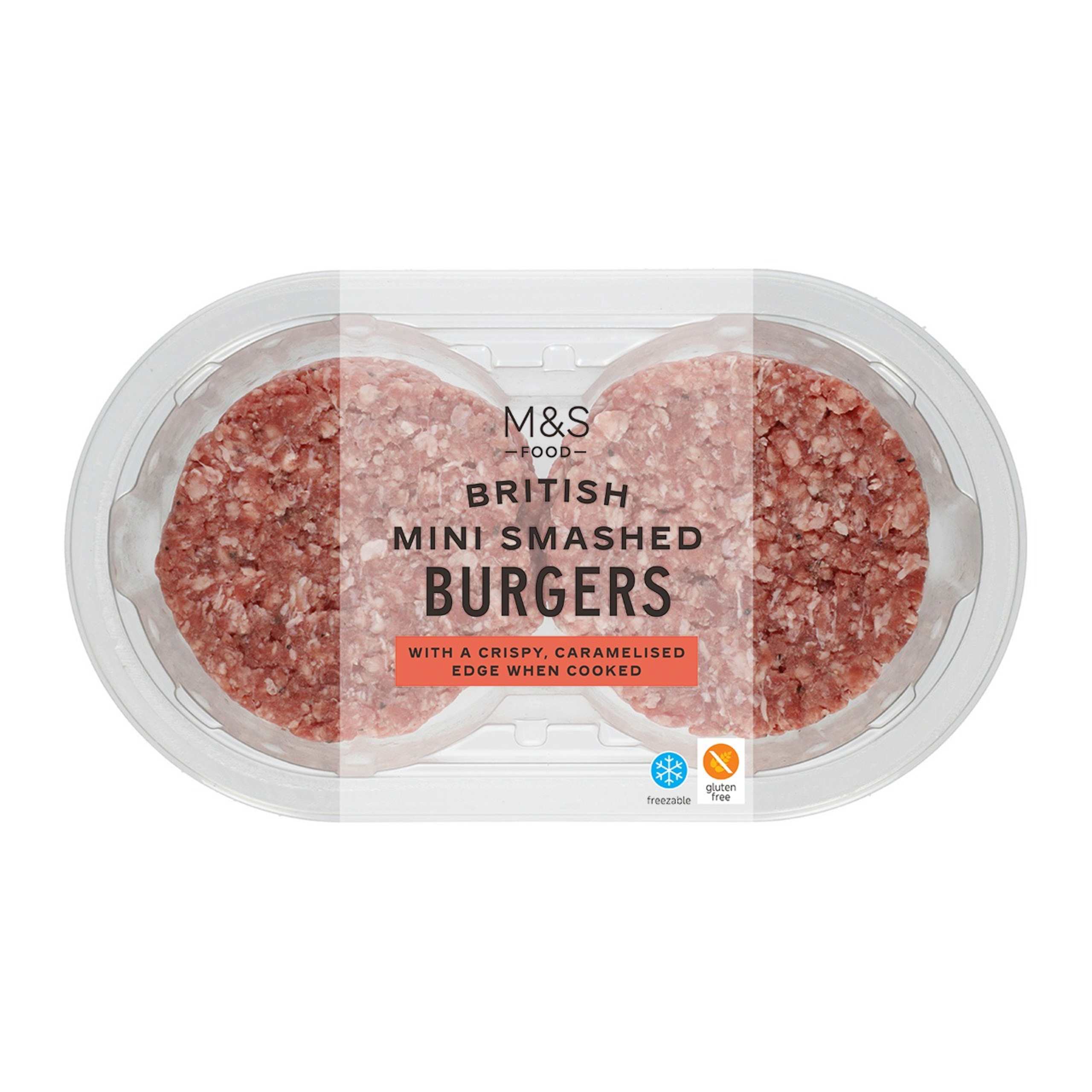
This product contains high-quality British beef, which is a good source of protein and essential nutrients. However, it includes sugar and sodium metabisulphite, a preservative that can cause allergic reactions in some individuals. The product is moderately processed, which limits its score despite the presence of beneficial ingredients.
Key ingredients 9
British BeefGood
British Beef is a high-quality source of protein and essential nutrients. It provides a rich amino acid profile necessary for muscle growth and repair. The beef is likely to be minimally processed, retaining its nutritional benefits.
Risks
Excessive consumption of red meat may be associated with increased risk of certain health conditions, such as heart disease.
Benefits
Rich in protein, iron, and B vitamins, which are essential for energy production and overall health.
Black PepperGood
Beneficial ingredient — whole-food or functional value in this product class.
Benefits
May aid digestion and enhance nutrient absorption.
Ascorbic AcidGood
Vitamin C — beneficial even when serving as a preservative.
Benefits
Supports immune function and acts as an antioxidant.
Rice FlourNeutral
Rice Flour is a gluten-free alternative to wheat flour, often used in processed foods. It is a source of carbohydrates but lacks significant nutritional benefits. It is typically used to improve texture and binding in food products.
Benefits
Provides a gluten-free option for those with celiac disease or gluten sensitivity.
Gram FlourNeutral
Gram Flour, made from ground chickpeas, is a source of protein and fiber. It is often used in gluten-free and vegetarian recipes. While nutritious, its benefits are limited in small quantities.
Benefits
Contains protein and fiber, contributing to satiety and digestive health.
SaltNeutral
Salt is used to enhance flavor and preserve food. It is a necessary nutrient but should be consumed in moderation. Excessive intake can lead to health issues such as hypertension.
Risks
High sodium intake is linked to increased blood pressure and cardiovascular risk.
Benefits
Essential for maintaining fluid balance and nerve function.
Maize StarchNeutral
Maize Starch is used as a thickening agent in food products. It is a refined carbohydrate with limited nutritional value. It is generally considered safe for consumption.
Benefits
Provides texture and stability to food products.
SugarBad
Sugar is a refined carbohydrate that can contribute to weight gain and metabolic issues. It provides empty calories with no essential nutrients. Excessive consumption is linked to various health problems.
Risks
High sugar intake is associated with obesity, type 2 diabetes, and dental cavities.
Sodium MetabisulphiteBad
Sodium Metabisulphite is a preservative used to extend shelf life. It can cause allergic reactions in sensitive individuals. Its use is regulated due to potential health concerns.
Risks
May cause allergic reactions, particularly in individuals with asthma.
Benefits
Helps preserve food by preventing microbial growth.
Processing
Processed Foods
Get the full breakdown in the Scout appTake Scout shopping
Scan any product to see lab results, healthy alternatives, and your personalized analysis.
Download on theApp Store GET IT ONGoogle Play