


At a glance
Summary
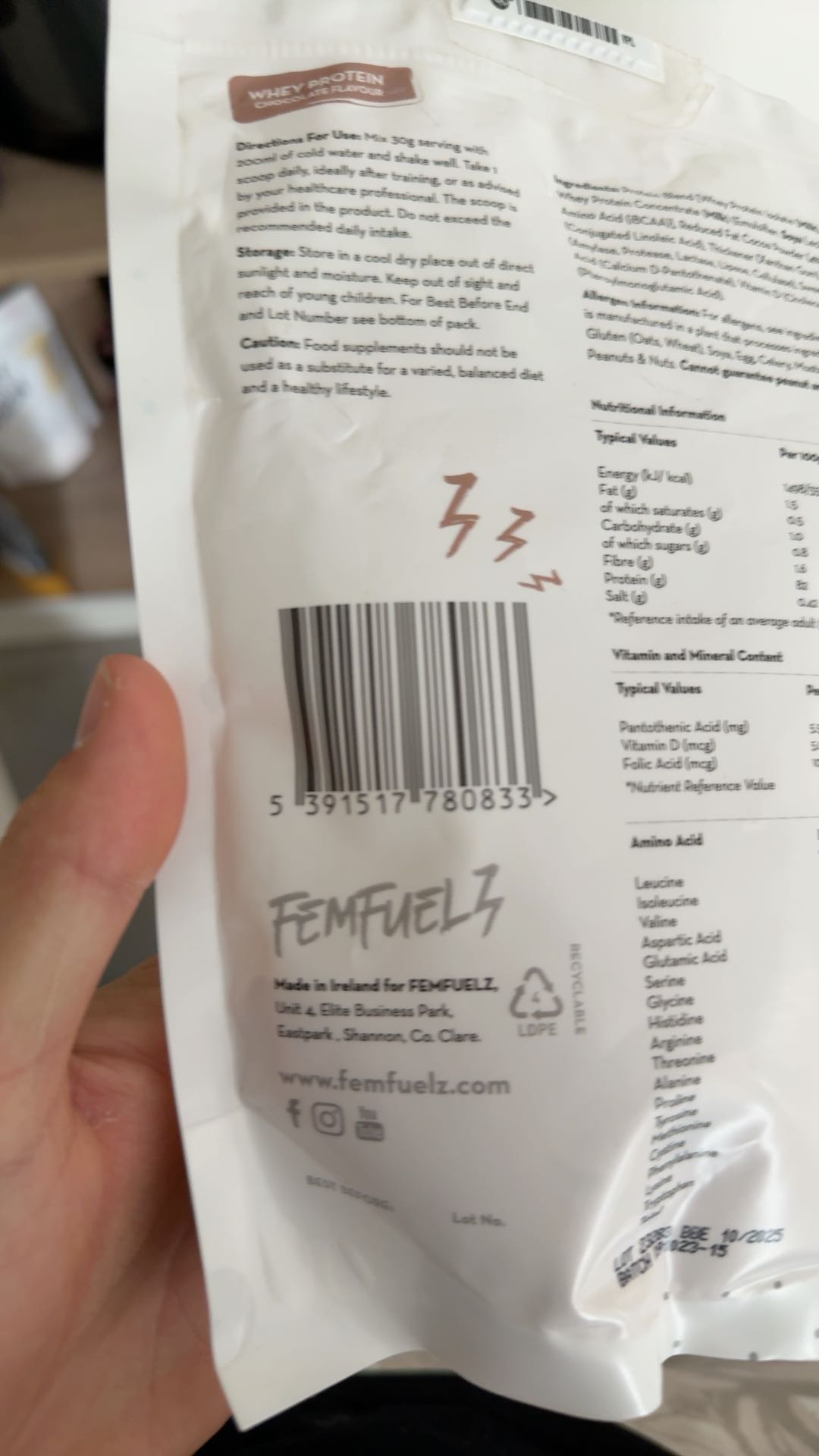
This chocolate whey protein contains high-quality protein sources like whey protein concentrate and milk protein isolate, which are beneficial for muscle repair and growth. However, the presence of carrageenan and maltodextrin, both of which are linked to potential health concerns, detracts from its overall formulation quality. Additionally, the inclusion of multiple additives such as xanthan gum and dextrose indicates a moderate level of processing, which impacts the product's overall healthiness.
Key ingredients 9
Whey Protein ConcentrateGood
Whey protein concentrate is a high-quality animal-based protein source with a rich amino acid profile. It is minimally processed and provides essential nutrients for muscle repair and growth. Compared to plant-based proteins, it offers superior bioavailability and digestibility.
Benefits
Rich in essential amino acids, supporting muscle growth and recovery.
CocoaGood
Beneficial ingredient — whole-food or functional value in this product class.
Benefits
Provides flavor and may contain some antioxidants, though reduced by processing.
Milk Protein IsolateGood
Milk protein isolate is a high-quality protein source derived from milk, containing both casein and whey proteins. It is highly processed to remove fats and lactose, making it suitable for lactose-intolerant individuals. It offers a complete amino acid profile, beneficial for muscle maintenance.
Benefits
Offers a complete amino acid profile and is suitable for lactose-intolerant individuals.
SaltNeutral
Salt is used to enhance flavor and is present in small quantities in this product. It does not significantly impact the nutritional value of the protein powder. Excessive consumption of salt can lead to health issues, but the amount in this product is minimal.
Risks
Excessive salt intake can lead to hypertension, but the amount in this product is minimal.
Benefits
Enhances flavor without significantly impacting nutritional value.
DextrinNeutral
Dextrin is a carbohydrate derived from starch, used as a thickener and stabilizer. It has a neutral impact on health when consumed in moderation. It is often used to improve the texture and solubility of powdered products.
Benefits
Improves texture and solubility of powdered products.
Xanthan GumNeutral
Xanthan gum is a polysaccharide used as a thickening and stabilizing agent in food products. It is generally considered safe and does not significantly impact health when consumed in typical amounts. It helps improve the texture and consistency of the product.
Benefits
Improves texture and consistency of the product.
CarrageenanBad
Carrageenan is a thickening agent derived from seaweed, often used in processed foods. It has been linked to gastrointestinal inflammation and other digestive issues in some studies. Its use in food products is controversial due to potential health concerns.
Risks
Linked to gastrointestinal inflammation and digestive issues in some studies.
Benefits
Provides texture and stability to the product.
MaltodextrinBad
Maltodextrin is a high-glycemic carbohydrate used as a filler and thickener in processed foods. It can cause rapid spikes in blood sugar levels, which may be a concern for individuals with insulin sensitivity. It is often used to improve texture and mixability in protein powders.
Risks
Can cause rapid spikes in blood sugar levels, potentially affecting insulin sensitivity.
Benefits
Improves texture and mixability in protein powders.
DextroseBad
Refined added sugar.
Risks
High glycemic index can lead to rapid blood sugar spikes.
Benefits
Provides quick energy and enhances sweetness.
Processing
Processed Foods
Get the full breakdown in the Scout appTake Scout shopping
Scan any product to see lab results, healthy alternatives, and your personalized analysis.
Download on theApp Store GET IT ONGoogle Play