



At a glance
Summary
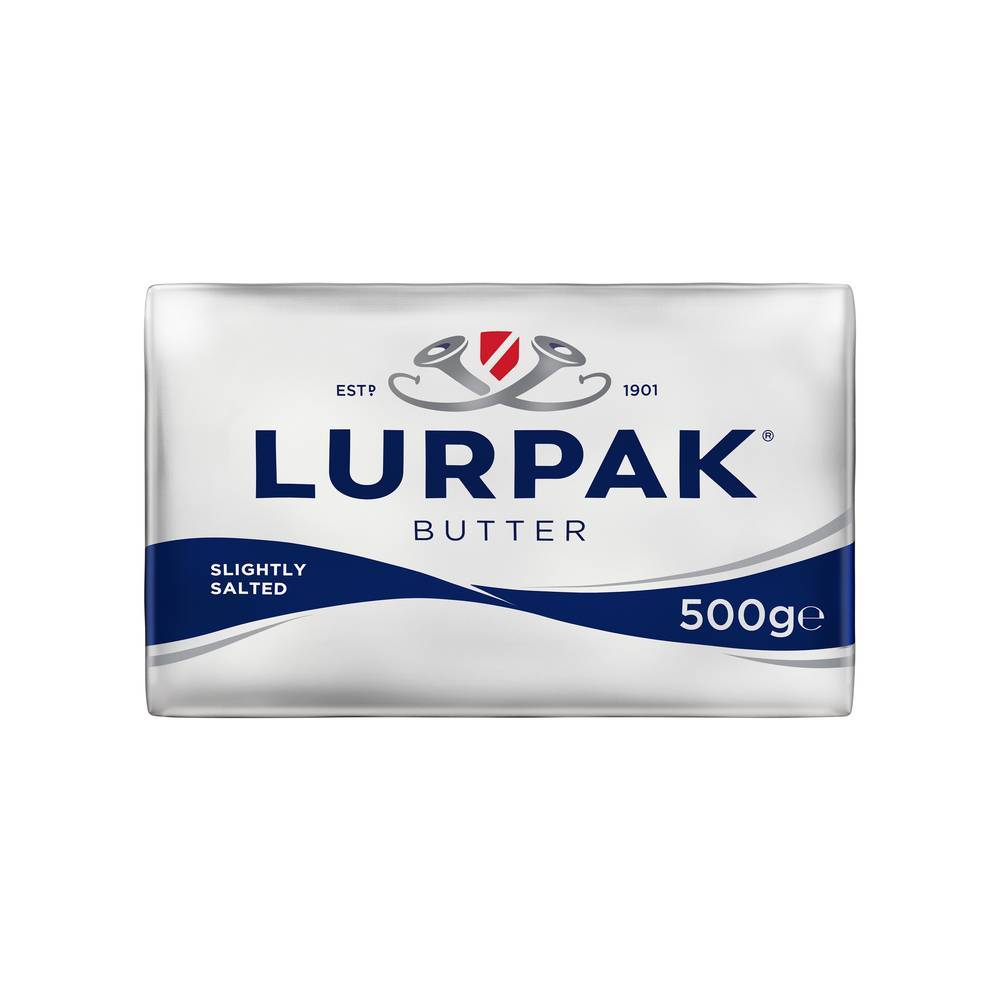
This product contains a significant amount of canola oil, which is a seed oil known for its high omega-6 fatty acid content and potential inflammatory effects. The presence of butter is a positive aspect, providing natural saturated fats and vitamins, but the overall processing level and the use of canola oil reduce its healthfulness compared to products with healthier oils.
Key ingredients 4
ButterGood
Butter is a natural source of saturated fats and fat-soluble vitamins like A, D, and E. It is minimally processed and provides a rich flavor and texture to foods. Compared to margarine or other processed spreads, butter is a more natural option.
Risks
Excessive consumption of saturated fats may contribute to heart disease risk in some individuals.
Benefits
Rich in fat-soluble vitamins and provides a natural source of energy. Contains conjugated linoleic acid, which may have health benefits.
Lactic cultureNeutral
Lactic culture is used in the fermentation process to develop flavor and texture in dairy products. It is a natural component of cultured dairy products. While it contributes to the product's characteristics, it does not have significant standalone health impacts.
Benefits
Contributes to the development of flavor and texture in cultured dairy products.
SaltNeutral
Salt is used to enhance flavor and preserve food. It is a common culinary ingredient with no significant health benefits when refined. Excessive intake can lead to health issues such as hypertension.
Risks
Excessive sodium intake can lead to high blood pressure and cardiovascular issues.
Benefits
Enhances flavor and acts as a preservative in foods.
Canola oilVery Bad
Canola oil is classified as a seed oil, which is high in omega-6 fatty acids that may promote inflammation. It is typically extracted using high heat and chemical solvents, which can degrade its nutritional quality. Compared to healthier oils like olive or avocado oil, canola oil is less beneficial for health.
Risks
High omega-6 content may promote inflammation when consumed in excess. The processing methods can introduce harmful compounds.
Processing
Processed Culinary Ingredients
Get the full breakdown in the Scout appTake Scout shopping
Scan any product to see lab results, healthy alternatives, and your personalized analysis.
Download on theApp Store GET IT ONGoogle Play