



At a glance
Summary
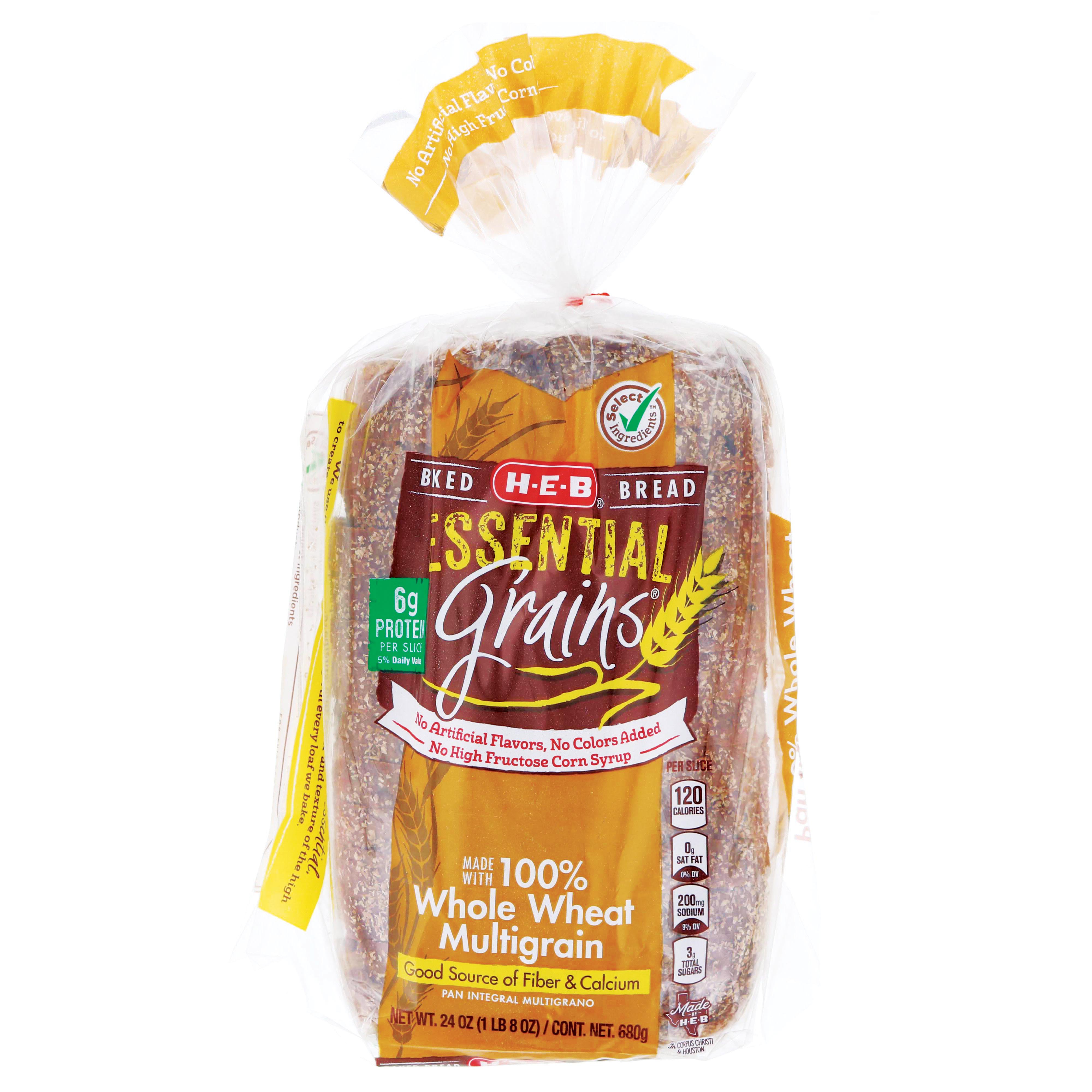
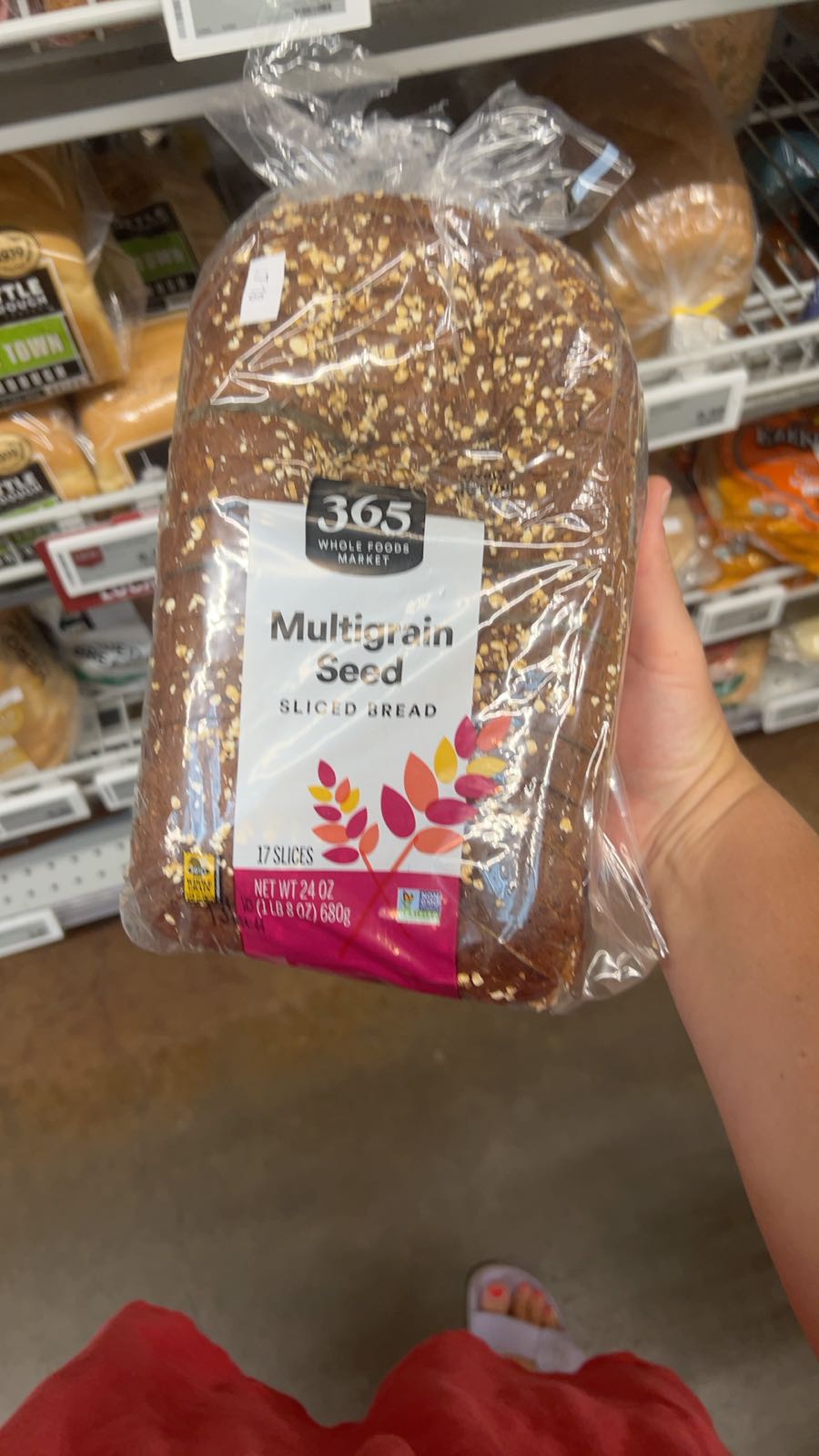
This multigrain bread contains beneficial ingredients like seeds, sourdough, and psyllium husk, which contribute to its nutritional value and support digestive health. However, the presence of rapeseed oil, a seed oil high in omega-6 fatty acids, and rice syrup, a refined sugar alternative, detracts from its overall healthiness. The bread is moderately processed, which limits its score despite the inclusion of some healthy components.
Key ingredients 11
SeedsGood
Seeds such as linseeds, sunflower, and nigella are rich in healthy fats and fiber. They provide essential nutrients like omega-3 fatty acids and antioxidants. These seeds contribute to heart health and improved digestion.
Risks
Potential allergen for some individuals.
Benefits
Rich in fiber and healthy fats, supporting heart health and digestion.
SourdoughGood
Sourdough is a fermented dough that can improve digestibility and nutrient absorption. It contains beneficial bacteria that may support gut health. The fermentation process can also lower the glycemic index of the bread.
Benefits
May improve gut health and nutrient absorption due to fermentation.
Fibre Plantago ovataGood
Plantago ovata, also known as psyllium husk, is a source of soluble fiber. It can aid in digestion and help regulate blood sugar levels. It is beneficial for maintaining bowel health.
Risks
May cause digestive discomfort if consumed in large amounts.
Benefits
Supports digestive health and helps regulate blood sugar levels.
StarchNeutral
Starch is a carbohydrate source providing energy. It is derived from corn and rice in this product, which are common sources. While it provides energy, it lacks significant nutritional benefits beyond calories.
Risks
Excessive consumption of starch can lead to blood sugar spikes.
Benefits
Provides a quick source of energy due to its carbohydrate content.
WaterNeutral
Water is a fundamental ingredient used to hydrate and bind ingredients. It is essential for the dough formation in bread. It does not provide nutritional value but is necessary for the product's texture.
Benefits
Essential for hydration and texture in food products.
FlourNeutral
Flour is a staple ingredient in bread, providing structure and texture. This product uses corn, rice, and sunflower flour, which are gluten-free alternatives. While it provides structure, it lacks the nutritional benefits of whole grain flours.
Risks
May lack the nutritional benefits of whole grain flours.
Benefits
Provides structure and texture to the bread.
ThickenersNeutral
Xanthan gum and hydroxypropyl methyl cellulose are used to improve texture and stability. They are common food additives that help maintain consistency. While they are generally safe, they do not provide nutritional benefits.
Risks
May cause digestive discomfort in sensitive individuals.
Benefits
Helps maintain product texture and stability.
YeastNeutral
Baker's/nutritional yeast in standard use — benign.
Benefits
Contributes to bread rising and flavor development.
SaltNeutral
Salt is used to enhance flavor and preserve food. It is a common ingredient in bread but should be consumed in moderation. Excessive salt intake can lead to health issues like hypertension.
Risks
Excessive intake can lead to hypertension and cardiovascular issues.
Benefits
Enhances flavor and acts as a preservative.
Rice syrupBad
Rice syrup is a sweetener that can contribute to high sugar intake. It is a refined sugar alternative with a high glycemic index. Excessive consumption can lead to blood sugar spikes.
Risks
High glycemic index may lead to blood sugar spikes.
Benefits
Provides sweetness to the product.
Vegetable oilVery Bad
Rapeseed oil is a seed oil high in omega-6 fatty acids, which can promote inflammation. It is often highly processed and refined. Its consumption should be limited due to potential health concerns.
Risks
High omega-6 content may promote inflammation when consumed in excess.
Processing
Processed Foods
Get the full breakdown in the Scout appTake Scout shopping
Scan any product to see lab results, healthy alternatives, and your personalized analysis.
Download on theApp Store GET IT ONGoogle Play