


At a glance
Summary
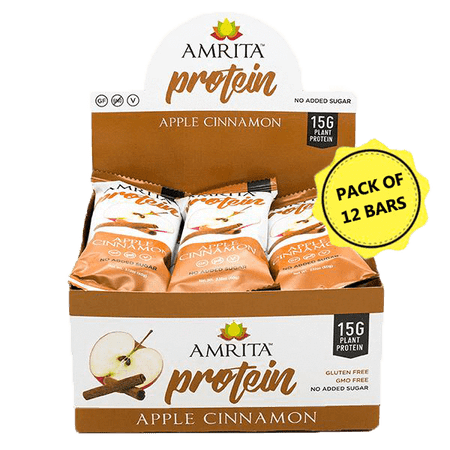
This protein bar contains several beneficial ingredients such as brown rice protein, pumpkin seed protein, and rolled oats, which provide plant-based protein and fiber. However, the presence of brown sugar and natural flavor detracts from its overall healthiness, as these ingredients contribute to added sugars and lack transparency. The product is moderately processed, which limits its score despite the inclusion of some whole food ingredients.
Key ingredients 13
Brown Rice ProteinGood
Brown rice protein is a plant-based protein source that is hypoallergenic and easily digestible. It provides a good amino acid profile, though not as complete as animal proteins. It is minimally processed, making it a clean protein option.
Benefits
Provides a plant-based protein source that is hypoallergenic and suitable for vegans.
Pumpkin Seed ProteinGood
Pumpkin seed protein is rich in magnesium, zinc, and other nutrients. It offers a good source of plant-based protein with additional health benefits. The processing retains most of its nutritional value.
Benefits
Rich in nutrients like magnesium and zinc, supporting overall health.
Rolled OatsGood
Rolled oats are a whole grain that provides fiber, vitamins, and minerals. They are minimally processed and support heart health and digestion. The presence of beta-glucans in oats can help lower cholesterol levels.
Benefits
Rich in fiber and nutrients, supporting heart health and digestion.
Almond ButterGood
Almond butter is made from ground almonds and is rich in healthy fats, protein, and vitamin E. It is minimally processed and provides a creamy texture and nutty flavor. The healthy fats support heart health and provide anti-inflammatory benefits.
Benefits
Rich in healthy fats and vitamin E, supporting heart health.
PecansGood
Pecans are a type of nut rich in healthy fats, fiber, and antioxidants. They are minimally processed and provide a crunchy texture and rich flavor. The antioxidants in pecans can help reduce oxidative stress.
Benefits
Rich in healthy fats and antioxidants, supporting overall health.
Maple SyrupGood
Beneficial ingredient — whole-food or functional value in this product class.
Risks
Contributes to sugar intake, which should be moderated.
Benefits
Provides a natural sweetener with some minerals and antioxidants.
Sea SaltGood
Sea salt is a minimally processed salt that contains trace minerals. It is used to enhance flavor and provide essential sodium. The presence of trace minerals can offer additional health benefits compared to refined salt.
Benefits
Provides essential sodium and trace minerals, enhancing flavor.
Tapioca FiberNeutral
Tapioca fiber is a soluble fiber extracted from the cassava root. It is used to improve texture and add fiber content to foods. The extraction process is straightforward, but it offers limited nutritional benefits.
Benefits
Adds dietary fiber to the product, which can aid digestion.
Sunflower ButterNeutral
Sunflower butter is made from roasted sunflower seeds and sunflower oil. It provides healthy fats and some protein, but the presence of sunflower oil introduces high omega-6 fatty acids. The roasting process enhances flavor but does not significantly alter nutritional content.
Risks
High omega-6 content may promote inflammation when consumed in excess.
Benefits
Provides healthy fats and protein, with a nutty flavor.
Vegetable GlycerinNeutral
Vegetable glycerin is a sugar alcohol used as a sweetener and humectant. It is derived from plant oils and is generally recognized as safe. It has a low glycemic index but offers no significant nutritional benefits.
Risks
Excessive consumption may cause digestive discomfort.
Benefits
Acts as a humectant, helping to retain moisture in the product.
Tapioca SyrupBad
Processed additive flagged under Scout's ingredient doctrine.
Risks
Contributes to sugar intake, which should be moderated.
Benefits
Provides a natural alternative to refined sugars.
Brown SugarBad
Brown sugar is a refined sugar with molasses added for flavor. It contributes to the overall sugar content of the product, which can impact blood sugar levels. The processing removes most nutrients, leaving primarily empty calories.
Risks
High sugar intake can lead to weight gain and increased risk of chronic diseases.
Benefits
Provides a sweet flavor, but no significant nutritional benefits.
Natural FlavorBad
Natural flavor is a catch-all term for flavoring agents derived from natural sources. It lacks transparency and can include a variety of chemical compounds. The processing and lack of disclosure make it a less desirable ingredient.
Risks
Lack of transparency can pose risks for those with allergies or sensitivities.
Benefits
Enhances flavor without adding calories.
Processing
Processed Foods
Get the full breakdown in the Scout appTake Scout shopping
Scan any product to see lab results, healthy alternatives, and your personalized analysis.
Download on theApp Store GET IT ONGoogle Play