


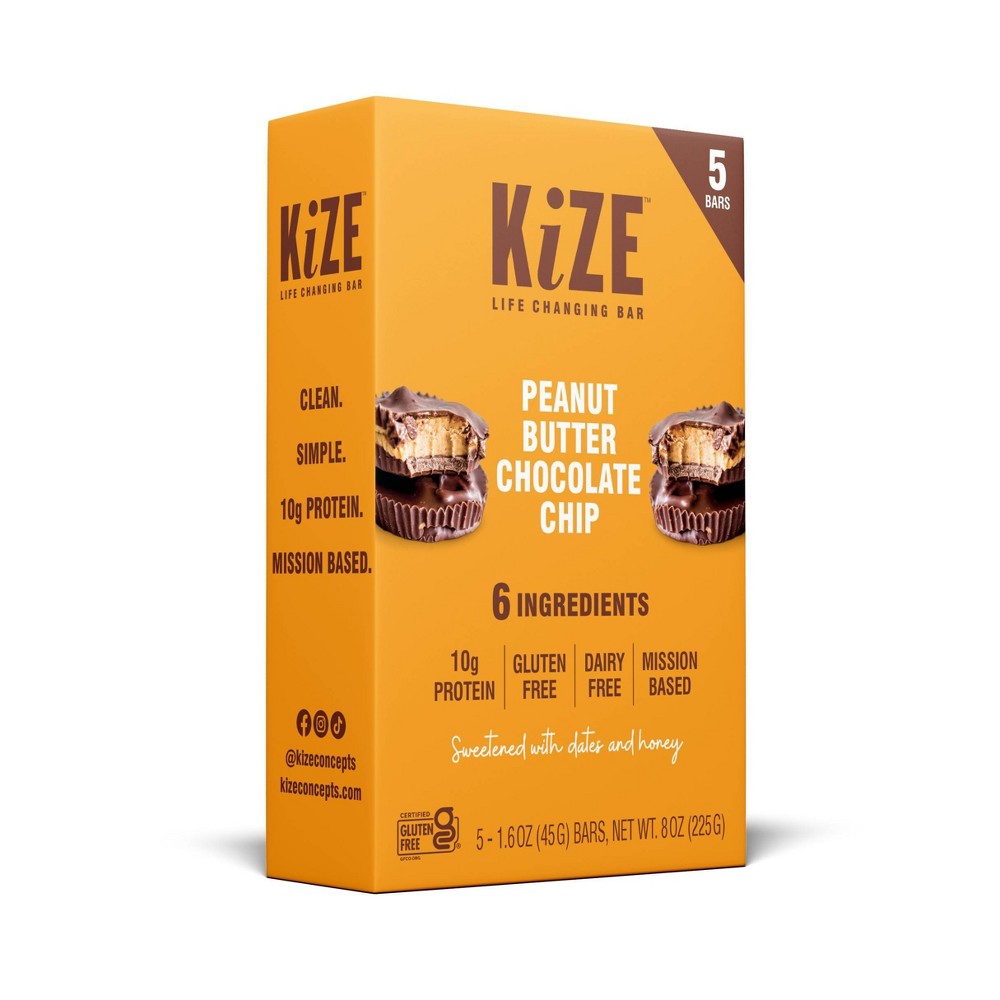

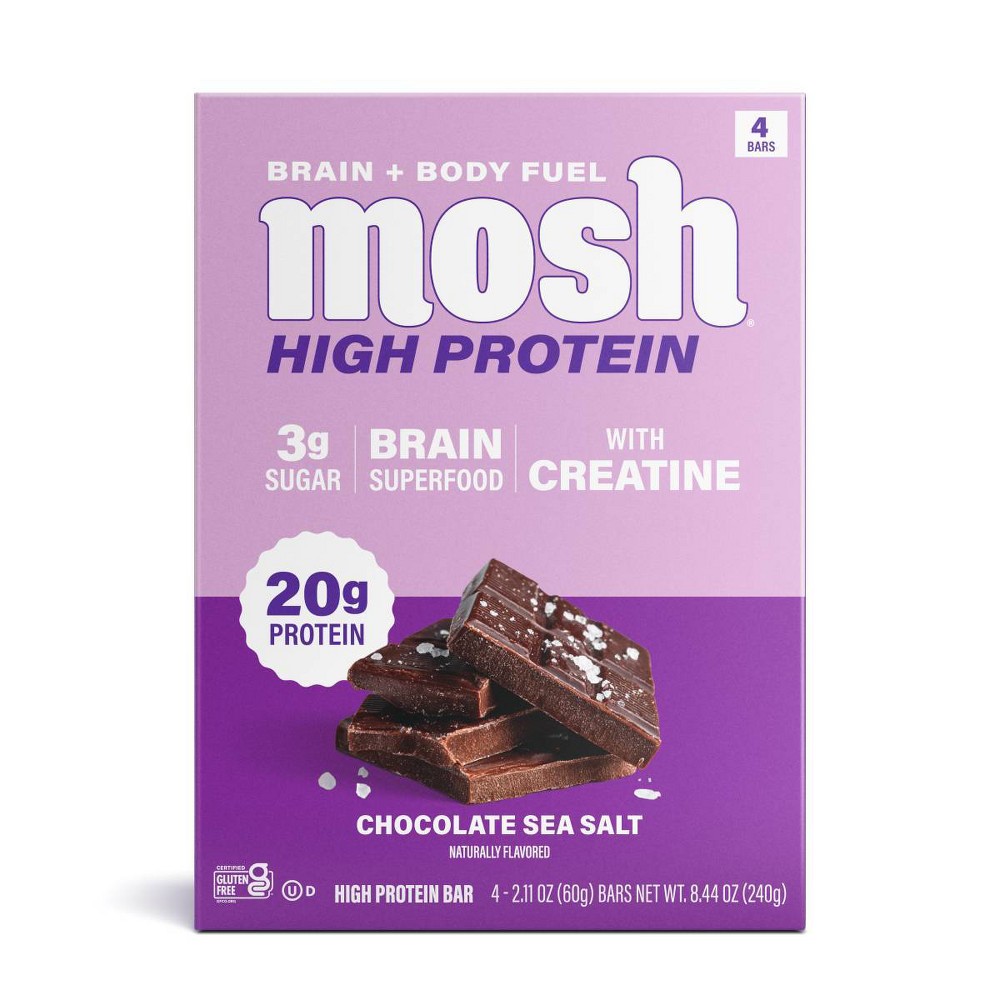
SOFT PROTEIN BAR MINTY CHOCOLATE
Analysis updated June 2026 · How Scout scores
At a glance
Summary
This protein bar contains high-quality protein sources such as milk protein blend, calcium caseinate, and whey protein hydrolysate, which are beneficial for muscle repair and growth. However, the presence of maltitol and wheat, along with its processed nature, limits its score. The bar is moderately processed and includes ingredients that may not be suitable for those with gluten sensitivities, impacting its overall healthiness.
Key ingredients 10
Milk protein blendGood
Milk protein blend is a high-quality source of protein, providing essential amino acids necessary for muscle repair and growth. It typically includes casein and whey, which are well-absorbed by the body. This blend supports muscle maintenance and can be beneficial for those with increased protein needs.
Benefits
Provides a complete amino acid profile, supporting muscle repair and growth. It is beneficial for maintaining muscle mass and overall protein intake.
Calcium caseinateGood
Calcium caseinate is a slow-digesting protein derived from milk, providing a sustained release of amino acids. It is beneficial for muscle recovery and maintenance, especially when consumed before periods of fasting like sleep. This protein is often used in supplements for its ability to promote satiety.
Benefits
Supports prolonged amino acid release, aiding in muscle recovery and maintenance. It can also help in managing hunger due to its slow digestion.
Whey protein concentrateGood
Whey protein concentrate is a high-quality protein source rich in essential amino acids and branched-chain amino acids (BCAAs). It is rapidly absorbed, making it ideal for post-exercise recovery. This protein supports muscle growth and repair, enhancing athletic performance.
Benefits
Promotes muscle protein synthesis and recovery due to its rich amino acid profile. It is beneficial for athletes and individuals seeking to increase protein intake.
Whey protein hydrolysateGood
Whey protein hydrolysate is a pre-digested form of whey protein, allowing for faster absorption and utilization by the body. It is beneficial for quick recovery and muscle repair post-exercise. This form of protein is often used in sports nutrition for its efficiency in delivering amino acids.
Benefits
Enhances rapid amino acid delivery, supporting quick muscle recovery and repair. It is particularly useful for athletes needing immediate protein intake post-workout.
Hydrolyzed bovine collagenGood
Hydrolyzed bovine collagen is a form of collagen that is easily absorbed by the body, supporting skin, joint, and bone health. It provides specific amino acids that are crucial for collagen synthesis in the body. This ingredient is often used for its potential benefits in improving skin elasticity and joint function.
Benefits
Supports skin, joint, and bone health by providing essential amino acids for collagen production. It may improve skin elasticity and joint function.
MilkGood
Whole dairy ingredient.
Risks
May cause allergic reactions or digestive issues in individuals with lactose intolerance or milk allergies.
Benefits
Provides essential nutrients such as calcium and protein, supporting bone health and muscle maintenance.
PolydextroseNeutral
Polydextrose is a synthetic polymer of glucose used as a low-calorie bulking agent and fiber source. It can help increase fiber content in foods without significantly affecting taste or texture. While generally recognized as safe, it may cause digestive discomfort in some individuals.
Risks
May cause digestive discomfort such as bloating and gas in sensitive individuals.
Benefits
Contributes to dietary fiber intake, which can aid in digestive health and satiety.
SoybeansNeutral
Soybeans are a source of plant-based protein and contain essential amino acids. They are used in various food products for their protein content and versatility. However, soy can be a common allergen and may affect hormone levels due to phytoestrogens.
Risks
May cause allergic reactions in sensitive individuals and potentially affect hormone levels due to phytoestrogens.
Benefits
Rich in plant-based protein and essential amino acids, supporting muscle maintenance and overall nutrition.
MaltitolBad
A sugar alcohol used to label products sugar-free. It still raises blood sugar — roughly half as much as table sugar — and commonly causes bloating and digestive upset at the amounts found in bars and candy.
Risks
May cause digestive issues such as bloating and diarrhea when consumed in large amounts.
Benefits
Offers a lower-calorie alternative to sugar, which can be beneficial for reducing overall sugar intake.
WheatBad
Wheat is a common grain used in many food products, providing carbohydrates and some protein. However, it contains gluten, which can cause adverse reactions in individuals with celiac disease or gluten sensitivity. The processing of wheat can also strip away some of its nutritional value.
Risks
Contains gluten, which can cause digestive issues and other symptoms in individuals with celiac disease or gluten sensitivity.
Benefits
Provides carbohydrates and some protein, contributing to energy intake.
Processing
Processed Foods
Get the full breakdown in the Scout appTake Scout shopping
Scan any product to see lab results, healthy alternatives, and your personalized analysis.
Download on theApp Store GET IT ONGoogle PlayAmazon pricing & content
Amazon price as of . Product prices and availability are accurate as of the date/time indicated and are subject to change. Any price and availability information displayed on Amazon.com at the time of purchase will apply to the purchase of this product.
CERTAIN CONTENT THAT APPEARS ON THIS SITE COMES FROM AMAZON. THIS CONTENT IS PROVIDED “AS IS” AND IS SUBJECT TO CHANGE OR REMOVAL AT ANY TIME.