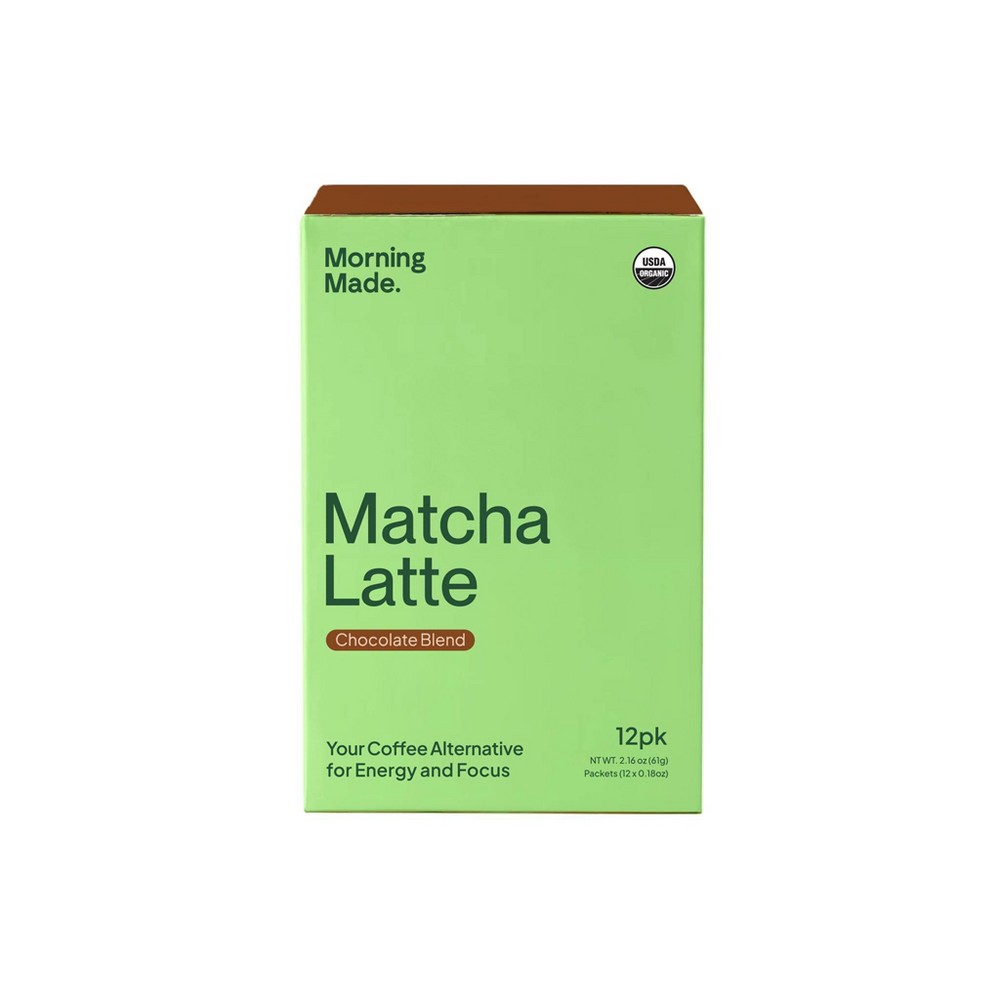
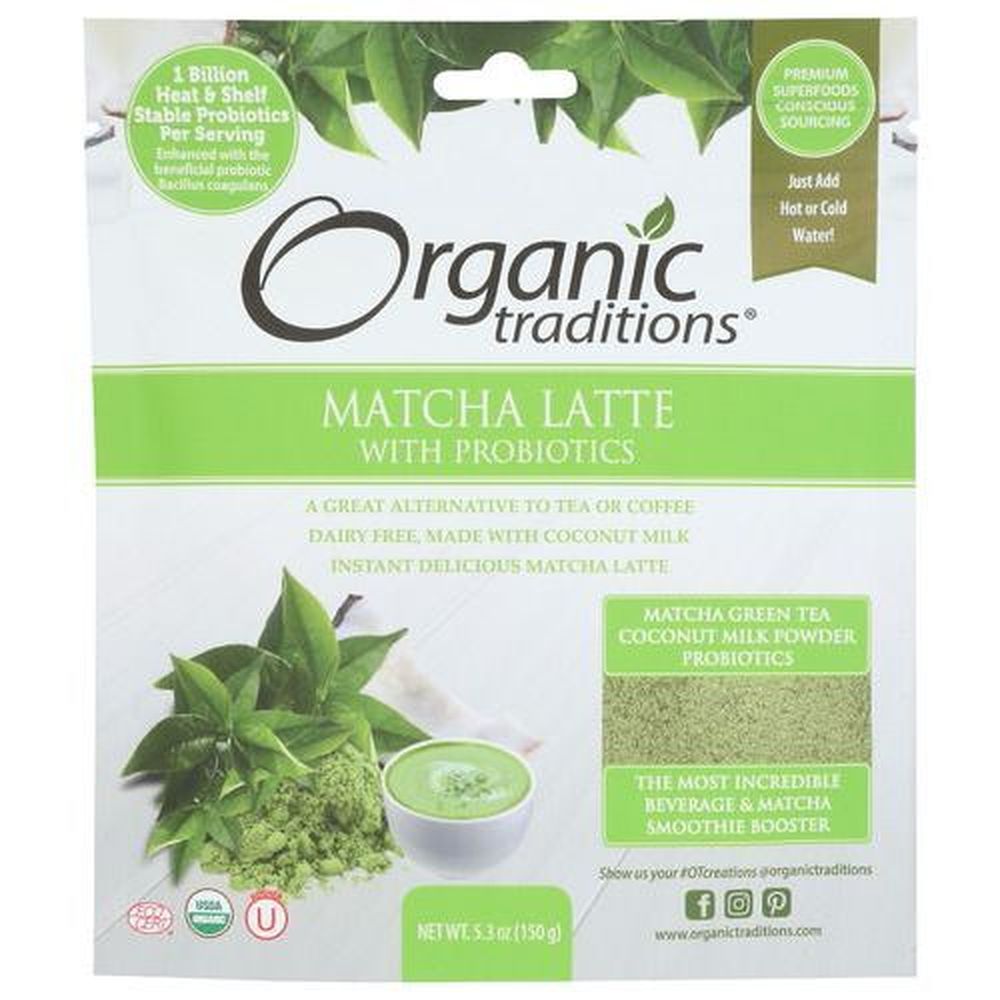
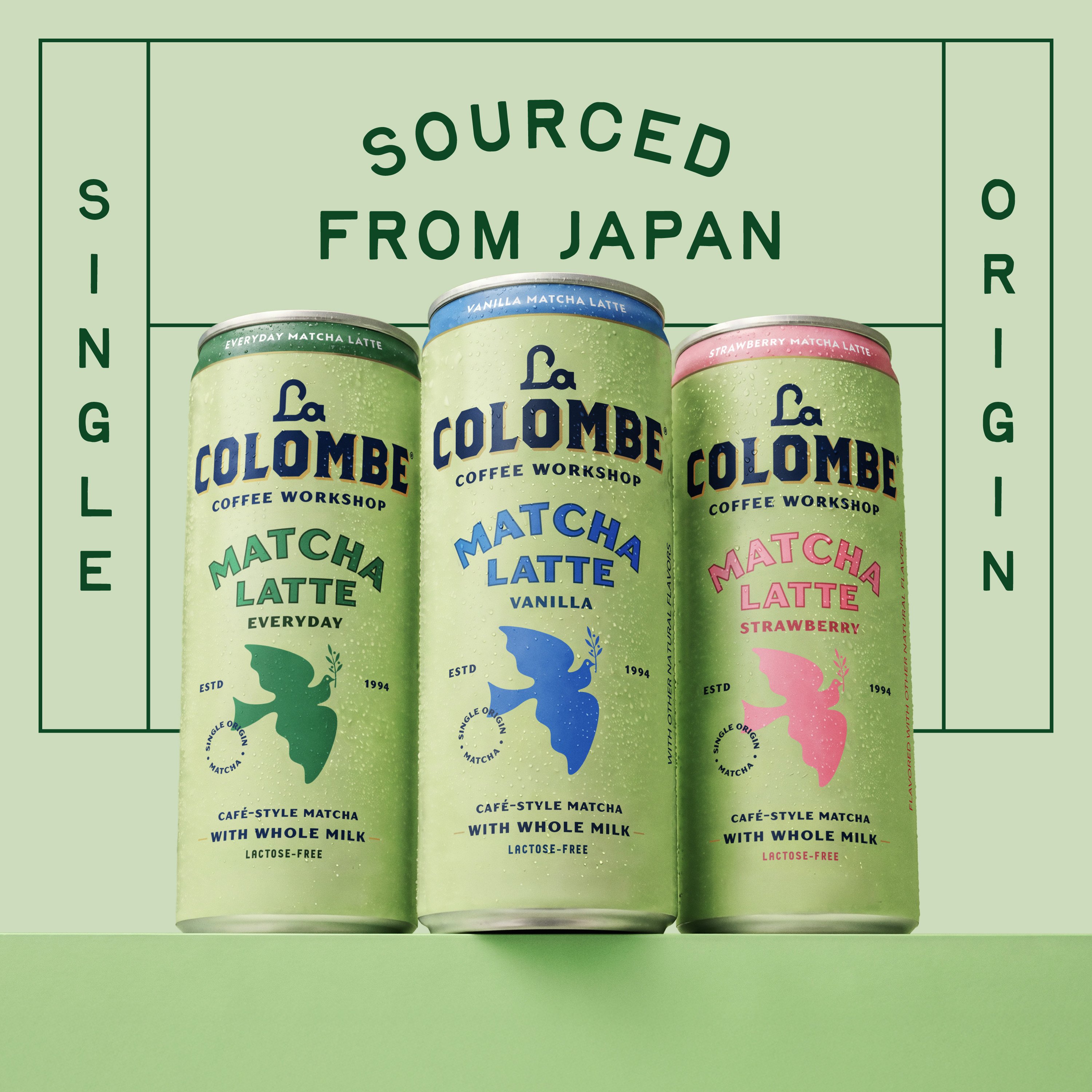
Matcha Latte
At a glance
Summary
This Matcha Latte contains beneficial ingredients like matcha, turmeric, and butterfly pea flower extract, which provide antioxidants and natural coloring. However, it also includes cane sugar and processed additives like trisodium phosphate and disodium phosphate, which contribute to its processed nature. The presence of these additives and added sugars, despite the beneficial components, results in a moderate score due to the balance of positive and negative factors.
Key ingredients 11
MatchaVery Good
Matcha is a powdered form of green tea rich in antioxidants, particularly catechins like EGCG. It is minimally processed, retaining most of its nutrients and providing a concentrated source of beneficial compounds. The presence of L-theanine promotes relaxation without drowsiness.
Risks
High caffeine content may not be suitable for everyone, especially in large amounts.
Benefits
Rich in antioxidants that support metabolic health and provide a calming effect due to L-theanine.
LactaseGood
Lactase is an enzyme that helps break down lactose, making dairy products more digestible for lactose-intolerant individuals. It is added to improve the product's accessibility and digestibility. This enzyme is beneficial for those with lactose intolerance.
Benefits
Facilitates lactose digestion, reducing discomfort for lactose-intolerant individuals.
Butterfly Pea Flower ExtractGood
Butterfly pea flower extract is a natural colorant and antioxidant source. It is minimally processed and provides vibrant color along with potential health benefits. The extract is known for its anthocyanin content, which has antioxidant properties.
Benefits
Rich in antioxidants that may support overall health and provide natural color.
TurmericGood
Turmeric is a spice known for its anti-inflammatory and antioxidant properties, primarily due to curcumin. It is used for natural coloring and health benefits. Turmeric is minimally processed and adds both flavor and health benefits.
Risks
Excessive consumption may cause digestive issues in some individuals.
Benefits
Contains curcumin, which has anti-inflammatory and antioxidant effects.
Whole MilkNeutral
Whole milk is a common dairy product providing calcium and vitamin D. It is pasteurized and homogenized, which are standard processes for safety and consistency. While it contains saturated fats, it is generally considered neutral in moderate consumption.
Risks
Excessive consumption may contribute to high cholesterol levels due to saturated fat content.
Benefits
Provides essential nutrients like calcium and vitamin D, beneficial for bone health.
Acacia GumNeutral
Acacia gum is a natural thickening agent derived from the sap of the acacia tree. It is used to stabilize and emulsify products without significant processing. It is generally recognized as safe and has minimal impact on health.
Benefits
May aid in digestive health by acting as a prebiotic fiber.
Gellan GumNeutral
Gellan gum is a polysaccharide used as a gelling agent in food products. It is produced through bacterial fermentation and is considered safe for consumption. It provides texture without contributing to caloric intake.
Benefits
Helps maintain product consistency and texture.
Nitrous OxideNeutral
Nitrous oxide is used as a propellant in whipped cream and similar products. It is an inert gas that does not react with food components. It is considered safe for use in food applications.
Cane SugarBad
Cane sugar is a refined sweetener that contributes to added sugars in the diet. Excessive intake of added sugars is linked to various health issues, including obesity and metabolic syndrome. It is processed to remove impurities, resulting in a high glycemic index.
Risks
High consumption can lead to weight gain, insulin resistance, and dental cavities.
Benefits
Provides quick energy but lacks significant nutritional benefits.
Trisodium PhosphateBad
Trisodium phosphate is an additive used to adjust acidity and improve texture. It is a highly processed ingredient with potential health concerns when consumed in large amounts. It is generally recognized as safe in small quantities but may contribute to dietary phosphate load.
Risks
Excessive intake may lead to imbalances in phosphate levels, affecting bone health.
Disodium PhosphateBad
Disodium phosphate is used as an emulsifier and stabilizer in processed foods. It is a processed ingredient that can contribute to phosphate intake. While safe in small amounts, it may pose health risks if consumed excessively.
Risks
High intake may lead to phosphate imbalances, potentially affecting kidney function.
Processing
Processed Foods
Get the full breakdown in the Scout appTake Scout shopping
Scan any product to see lab results, healthy alternatives, and your personalized analysis.
Are you La Colombe? Fix an error Get the badge Get tested
Amazon pricing & content
Amazon price as of . Product prices and availability are accurate as of the date/time indicated and are subject to change. Any price and availability information displayed on Amazon.com at the time of purchase will apply to the purchase of this product.
CERTAIN CONTENT THAT APPEARS ON THIS SITE COMES FROM AMAZON. THIS CONTENT IS PROVIDED “AS IS” AND IS SUBJECT TO CHANGE OR REMOVAL AT ANY TIME.