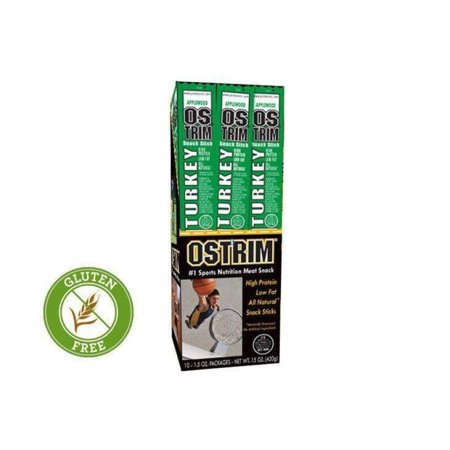
TURKEY SNACK STICK
At a glance
Summary
The turkey snack stick is a processed food with a relatively clean ingredient list, featuring turkey as a high-quality protein source and sea salt for flavor. However, the presence of cane sugar, a refined sugar, slightly detracts from its health profile. The product's processing level limits its score, but the absence of seed oils and artificial additives is a positive aspect. Its plastic packaging can shed microplastics into the food and lowers its score.
Key ingredients 11
TurkeyGood
Turkey is a high-quality source of protein, providing essential amino acids necessary for muscle repair and growth. It is a lean meat with low saturated fat content, making it a healthier option compared to red meats. The protein from turkey is easily digestible and supports overall health.
Benefits
Rich in protein and low in saturated fat, supporting muscle health and weight management.
Sea saltGood
Sea salt is a minimally processed source of sodium and contains trace minerals that are beneficial for health. It is often preferred over refined table salt due to its natural mineral content. The use of sea salt can enhance flavor without the need for excessive additives.
Risks
Excessive consumption of sodium can lead to high blood pressure and cardiovascular issues.
Benefits
Provides essential sodium and trace minerals, supporting electrolyte balance and nerve function.
CinnamonGood
Beneficial ingredient — whole-food or functional value in this product class.
Benefits
Contains antioxidants and may support blood sugar regulation.
Dehydrated appleNeutral
Dehydrated apple adds natural sweetness and fiber to the product. It is a whole food ingredient that retains some nutrients despite the drying process. However, the sugar content should be considered in the context of overall dietary intake.
Risks
May contribute to sugar intake if consumed in large quantities.
Benefits
Provides natural sweetness and some dietary fiber, contributing to digestive health.
NutmegNeutral
Nutmeg is a spice that enhances flavor and has some antioxidant properties. It is used in small quantities in food products. While it can have health benefits, excessive consumption can lead to adverse effects.
Risks
Excessive consumption can lead to toxicity and adverse effects such as nausea and dizziness.
Benefits
Provides flavor and contains antioxidants that may support health.
Natural smokeNeutral
Natural smoke is used to impart a smoky flavor to foods. It is derived from burning wood and is considered a natural flavoring agent. While it enhances taste, it does not provide significant nutritional benefits.
Benefits
Enhances flavor without adding calories or artificial additives.
Nonfat dry milkNeutral
Nonfat dry milk is a source of protein and calcium, commonly used in processed foods. It is made by removing water from milk, preserving its nutrients. However, it may not be suitable for those with lactose intolerance.
Risks
May cause digestive issues for individuals with lactose intolerance.
Benefits
Provides protein and calcium, supporting bone health and muscle function.
MustardNeutral
Mustard is a condiment that adds flavor and contains some antioxidants. It is low in calories and can enhance the taste of foods. The health impact is minimal due to the small quantities typically used.
Benefits
Adds flavor and contains antioxidants, contributing to overall taste and potential health benefits.
Celery powderNeutral
Celery powder is used as a natural preservative and flavor enhancer. It contains nitrates, which can convert to nitrites in the body, potentially impacting health. However, it is a natural alternative to synthetic preservatives.
Risks
Contains nitrates, which may have health implications if consumed in large amounts.
Benefits
Acts as a natural preservative and flavor enhancer, reducing the need for synthetic additives.
Starter cultureNeutral
Starter culture is used in fermentation to develop flavor and texture in processed meats. It helps in preserving the product and enhancing its safety. The health impact is generally neutral as it is a processing aid.
Benefits
Aids in fermentation, improving flavor and safety of the product.
Cane sugarBad
Cane sugar is a refined sugar that can contribute to increased blood sugar levels and caloric intake. It is often used to enhance sweetness but lacks nutritional benefits. Excessive consumption of refined sugars is linked to various health issues, including obesity and diabetes.
Risks
High intake of refined sugars can lead to obesity, insulin resistance, and dental cavities.
Processing
Processed Foods
Get the full breakdown in the Scout appTake Scout shopping
Scan any product to see lab results, healthy alternatives, and your personalized analysis.
Are you Ostrim? Fix an error Get the badge Get tested