

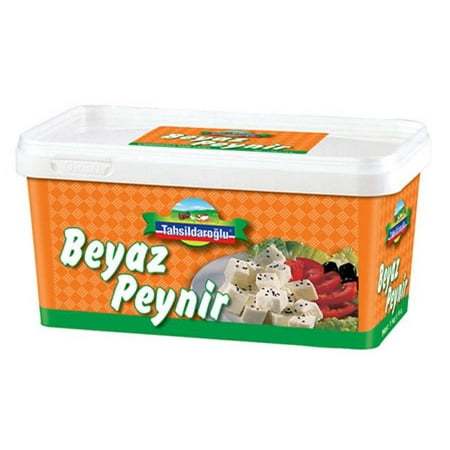


At a glance
Summary
This feta cheese is made with high-quality ingredients such as fresh cream and cow's milk, which are minimally processed and provide essential nutrients. However, the presence of an emulsifier indicates a higher level of processing, which slightly impacts its overall healthiness. The addition of Vitamin D3 is beneficial, but the product's processed nature limits its score potential.
Key ingredients 11
Fresh cow's milkVery Good
Fresh cow's milk is a primary ingredient in cheese, offering a rich source of protein and calcium. It is minimally processed, retaining most of its natural nutrients. The use of fresh milk suggests a commitment to quality and nutrition.
Risks
Potential allergen for individuals with lactose intolerance or milk allergies.
Benefits
Rich in calcium and protein, supporting bone health and muscle maintenance.
Fresh creamGood
Fresh cream is a source of high-quality fats and contributes to the creamy texture of cheese. It is minimally processed and provides essential fatty acids. The use of fresh cream indicates a focus on quality ingredients.
Risks
High in saturated fats, which may contribute to cardiovascular issues if consumed in excess.
Benefits
Provides a rich source of energy and essential fatty acids that are important for various bodily functions.
Milk fatGood
Milk fat is a natural component of dairy products, providing flavor and texture. It is a source of fat-soluble vitamins and energy. The inclusion of milk fat indicates a focus on traditional cheese-making methods.
Risks
High in saturated fats, which may increase cholesterol levels if consumed excessively.
Benefits
Contains fat-soluble vitamins such as A, D, E, and K, which are essential for health.
Non-animal rennetGood
Non-animal rennet is used to coagulate milk in cheese production, suitable for vegetarians. It is derived from microbial or plant sources, offering an alternative to traditional animal rennet. This choice supports dietary preferences and ethical considerations.
Benefits
Suitable for vegetarians and supports ethical dietary choices.
Vitamin D3Good
Vitamin D3 is added to enhance the nutritional profile of the cheese, supporting bone health and immune function. It is a fat-soluble vitamin that aids in calcium absorption. The addition of Vitamin D3 is beneficial, especially in dairy products.
Benefits
Supports bone health and enhances calcium absorption, contributing to overall health.
Milk solidsNeutral
Milk solids are used to enhance the texture and nutritional profile of cheese. They are derived from milk and contain proteins and minerals. While they add nutritional value, they are a processed form of milk.
Risks
May contain lactose, which can be problematic for those with lactose intolerance.
Benefits
Contribute to the protein content and nutritional density of the cheese.
Added waterNeutral
Added water is used to adjust the texture and moisture content of the cheese. It is a common practice in cheese production to achieve the desired consistency. Water itself does not contribute nutritional value.
SaltNeutral
Salt is used as a preservative and flavor enhancer in cheese. It helps in the fermentation process and extends shelf life. While essential in small amounts, excessive consumption can lead to health issues.
Risks
High sodium intake can contribute to hypertension and cardiovascular diseases.
Benefits
Enhances flavor and acts as a natural preservative in cheese.
Acidifying agent (E575)Neutral
E575, or glucono delta-lactone, is used as an acidifying agent to control the pH and texture of cheese. It is a common additive in food processing. It is generally recognized as safe when used in regulated amounts.
Benefits
Helps in achieving the desired texture and acidity in cheese.
Calcium chlorideNeutral
Calcium chloride is used in cheese making to improve curd formation and firmness. It is a common additive in dairy processing. It is generally recognized as safe and does not significantly alter the nutritional profile.
Benefits
Enhances the texture and firmness of cheese curds.
Emulsifier (E471)Bad
E471, or mono- and diglycerides of fatty acids, is used as an emulsifier to improve texture and consistency. It is a processed additive derived from fats. While generally safe, it indicates a higher level of processing.
Risks
May contain trans fats, which are associated with negative cardiovascular effects.
Benefits
Improves texture and consistency of the cheese product.
Processing
Processed Foods
Get the full breakdown in the Scout appTake Scout shopping
Scan any product to see lab results, healthy alternatives, and your personalized analysis.
Download on theApp Store GET IT ONGoogle Play