

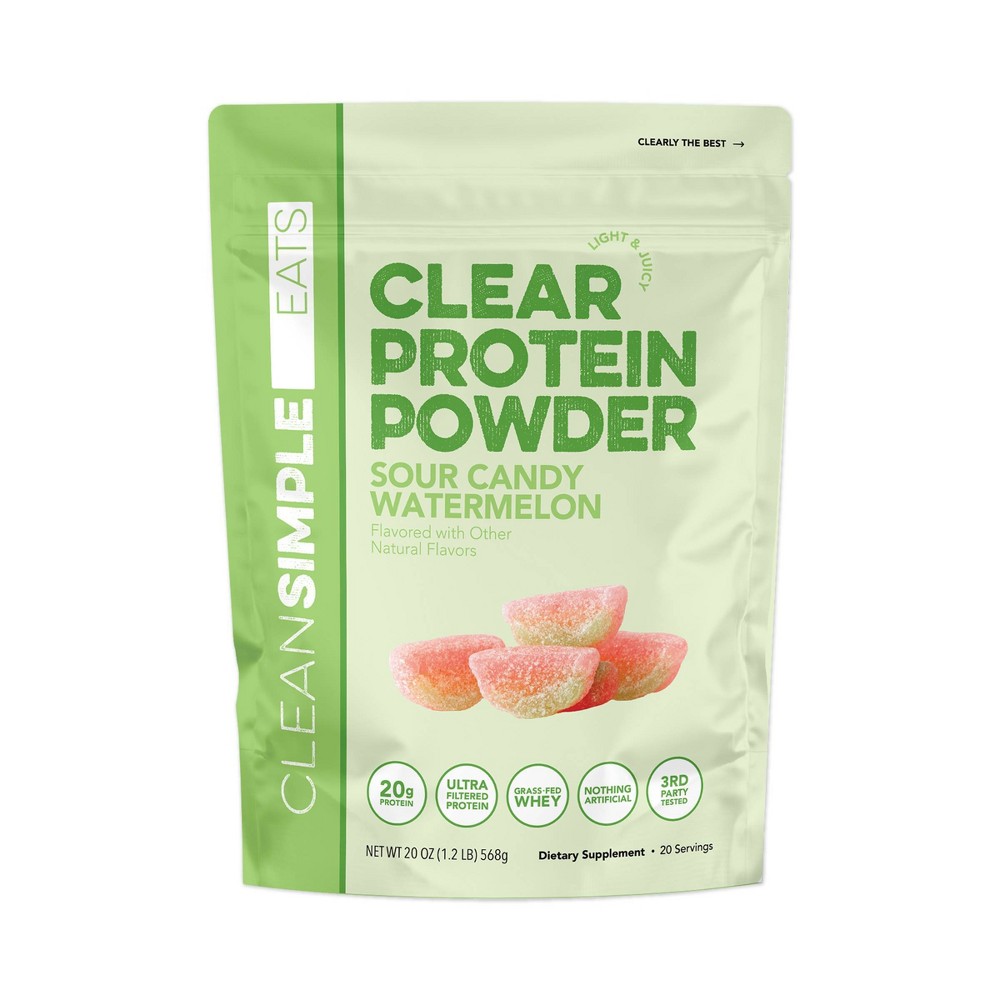


At a glance
Summary
This product contains beneficial ingredients such as whey protein isolate and prebiotic fibers, which support muscle growth and gut health. However, it is ultra-processed and includes vegetable oil, which is often high in omega-6 fatty acids and can promote inflammation. The presence of 'natural flavor' also raises concerns due to its lack of transparency, contributing to the overall processing level.
Key ingredients 16
Whey Protein IsolateVery Good
Whey protein isolate is a high-quality protein source with a complete amino acid profile. It is highly bioavailable and supports muscle repair and growth. It is derived from milk and is typically low in lactose.
Risks
May cause digestive issues in individuals with lactose intolerance or milk allergies.
Benefits
Excellent source of protein that supports muscle growth and recovery. Contains essential amino acids necessary for various bodily functions.
Isomalto-oligosaccharidesGood
Isomalto-oligosaccharides are prebiotic fibers that support gut health. They are derived from starch and can help improve digestion. They also have a low glycemic index, making them suitable for blood sugar management.
Risks
Excessive consumption may cause digestive discomfort such as bloating or gas.
Benefits
Promotes healthy gut bacteria and aids in digestion. May help in maintaining stable blood sugar levels.
GelatinGood
Gelatin is a protein derived from animal collagen, commonly used as a gelling agent. It supports joint health and skin elasticity. It is minimally processed and provides amino acids like glycine.
Benefits
Supports joint health and skin elasticity. Provides amino acids that are beneficial for overall health.
Hydrolyzed CollagenGood
Hydrolyzed collagen is a processed form of collagen that is easily absorbed by the body. It supports skin, joint, and bone health. It is derived from animal sources and provides essential amino acids.
Benefits
Promotes skin elasticity and joint health. Provides amino acids that support overall well-being.
Monk Fruit Juice ConcentrateGood
Monk fruit juice concentrate is a natural sweetener with zero calories. It is derived from monk fruit and does not raise blood sugar levels. It is a healthier alternative to artificial sweeteners.
Benefits
Provides sweetness without calories or impacting blood sugar. Suitable for low-calorie and diabetic-friendly diets.
Carrot And Sweet PotatoGood
Carrot and sweet potato are natural sources of color and nutrients. They provide beta-carotene and other antioxidants. They are minimally processed and add natural color to foods.
Benefits
Provide natural color and antioxidants like beta-carotene, supporting eye health and immune function.
Turmeric And Spirulina ExtractGood
Turmeric and spirulina extract are natural colorants with health benefits. Turmeric contains curcumin, an anti-inflammatory compound, while spirulina is rich in nutrients. They add natural color and potential health benefits to foods.
Benefits
Provide natural color and health benefits such as anti-inflammatory properties and nutrient density.
Vegetable GlycerinNeutral
Vegetable glycerin is a sugar alcohol used as a sweetener and humectant. It is derived from plant oils and is generally recognized as safe. It provides moisture and sweetness without significantly impacting blood sugar levels.
Risks
Excessive intake may lead to digestive issues such as diarrhea.
Benefits
Helps retain moisture in foods and provides a sweet taste without raising blood sugar significantly.
Soluble Corn FiberNeutral
Standard formulation ingredient — neither beneficial nor harmful at typical use.
Risks
May cause digestive discomfort if consumed in large amounts.
Benefits
Supports digestive health and helps maintain stable blood sugar levels. Increases dietary fiber intake.
Citric AcidNeutral
Citric acid is a natural preservative and flavor enhancer found in citrus fruits. It is used to add acidity and preserve freshness in foods. It is generally recognized as safe when used in food products.
Risks
Excessive consumption may cause tooth enamel erosion.
Benefits
Enhances flavor and preserves freshness in food products.
Malic AcidNeutral
Malic acid is a naturally occurring acid found in fruits like apples. It is used to enhance flavor and add tartness to foods. It is generally recognized as safe for consumption.
Risks
High consumption may lead to digestive discomfort.
Benefits
Enhances flavor and provides a tart taste to food products.
Sunflower LecithinNeutral
Sunflower lecithin is an emulsifier derived from sunflower seeds. It helps blend ingredients and improve texture in food products. It is a natural alternative to soy lecithin.
Benefits
Improves texture and consistency in food products. Acts as a natural emulsifier.
Stevia Leaf ExtractNeutral
Stevia leaf extract is a natural, zero-calorie sweetener derived from the stevia plant. It is used as a sugar substitute and does not affect blood sugar levels. It is generally recognized as safe for consumption.
Benefits
Provides sweetness without calories or impacting blood sugar levels.
Corn StarchNeutral
Corn starch is a carbohydrate used as a thickening agent in foods. It is derived from corn and is commonly used in processed foods. It provides texture and stability to food products.
Risks
May contribute to increased blood sugar levels if consumed in large amounts.
Benefits
Provides texture and stability in food products.
Natural FlavorBad
Natural flavor is a broad term that can include various chemical compounds derived from natural sources. It lacks transparency and can contain additives. It is often used to enhance taste without disclosing specific ingredients.
Risks
Potential allergens or additives may be present without clear labeling.
Vegetable OilVery Bad
Vegetable oil is often high in omega-6 fatty acids, which can promote inflammation when consumed in excess. It is typically extracted using high heat and chemicals, which may degrade its nutritional quality. It is a common ingredient in processed foods and lacks the health benefits of healthier oils like olive or coconut oil.
Risks
High omega-6 content may promote inflammation and contribute to chronic diseases.
Processing
Ultra-Processed Foods
Get the full breakdown in the Scout appTake Scout shopping
Scan any product to see lab results, healthy alternatives, and your personalized analysis.
Download on theApp Store GET IT ONGoogle Play