

At a glance
Summary
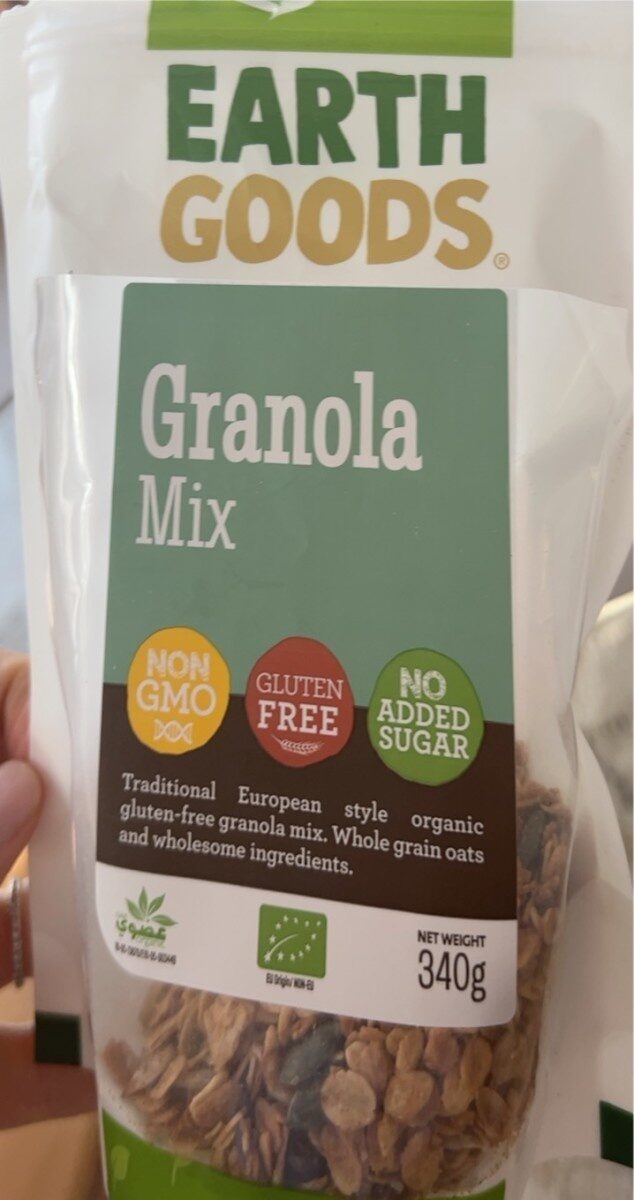
This granola mix contains several beneficial ingredients such as wholegrain oat flakes, pumpkin seeds, and raisins, which provide fiber, healthy fats, and natural sugars. However, the presence of high oleic safflower oil, a refined seed oil, introduces a significant penalty due to its potential inflammatory effects. The product is moderately processed, which limits its score despite the overall nutritious profile.
Key ingredients 10
Gluten-free wholegrain oat flakesGood
Wholegrain oat flakes are a nutritious source of complex carbohydrates and fiber. They are minimally processed and provide sustained energy release. Oats also contain beta-glucans, which can help lower cholesterol levels.
Benefits
Rich in fiber and beta-glucans, which support heart health and provide a feeling of fullness.
Pumpkin seedsGood
Pumpkin seeds are a nutrient-dense food rich in healthy fats, protein, and minerals like magnesium and zinc. They are minimally processed and provide a good source of plant-based protein. The seeds also contain antioxidants that can help reduce inflammation.
Benefits
High in magnesium and zinc, supporting immune function and bone health.
Sunflower seedsGood
Sunflower seeds are a good source of healthy fats, protein, and vitamin E. They are minimally processed and provide essential nutrients that support overall health. The seeds also contain phytosterols, which may help lower cholesterol levels.
Benefits
Rich in vitamin E and phytosterols, which support heart health and antioxidant protection.
PeanutGood
Peanuts are a good source of plant-based protein and healthy fats. They are minimally processed and provide essential nutrients like niacin and folate. Peanuts also contain resveratrol, which has antioxidant properties.
Risks
Potential allergen for some individuals.
Benefits
Provides protein and healthy fats, supporting heart health and energy levels.
RaisinsGood
Raisins are dried grapes that provide natural sugars and fiber. They are minimally processed and contain antioxidants like polyphenols. Raisins can offer a quick source of energy and support digestive health.
Risks
High natural sugar content may contribute to calorie intake if consumed in excess.
Benefits
Rich in antioxidants and fiber, supporting digestive health and providing quick energy.
CinnamonGood
Cinnamon is a spice with antioxidant properties and potential health benefits. It is minimally processed and can help regulate blood sugar levels. The spice also adds flavor without adding calories or sugar.
Benefits
Contains antioxidants and may help regulate blood sugar levels.
Sea saltGood
Sea salt is a minimally processed source of sodium and trace minerals. It is less refined than table salt and can enhance the flavor of foods. The trace minerals in sea salt may provide additional health benefits compared to refined salt.
Risks
Excessive sodium intake can lead to high blood pressure and other health issues.
Benefits
Provides trace minerals and enhances flavor with less processing than table salt.
Agave syrupNeutral
Agave syrup is a natural sweetener with a high fructose content. It is less processed than refined sugars but still contributes to overall sugar intake. The syrup has a lower glycemic index than table sugar, which may be beneficial for blood sugar control.
Risks
High fructose content may contribute to metabolic issues if consumed in large amounts.
Benefits
Lower glycemic index than table sugar, potentially beneficial for blood sugar management.
NutmegNeutral
Nutmeg is a spice used for flavoring and has some antioxidant properties. It is minimally processed and used in small quantities. While it adds flavor, it does not provide significant nutritional benefits.
Benefits
Adds flavor and contains some antioxidants.
High oleic safflower oilVery Bad
High oleic safflower oil is a refined seed oil high in omega-6 fatty acids. It is heavily processed and may contribute to inflammation when consumed in excess. The oil lacks the beneficial compounds found in less processed oils like olive oil.
Risks
High omega-6 content may promote inflammation when consumed in excess.
Processing
Processed Foods
Get the full breakdown in the Scout appTake Scout shopping
Scan any product to see lab results, healthy alternatives, and your personalized analysis.
Download on theApp Store GET IT ONGoogle Play