
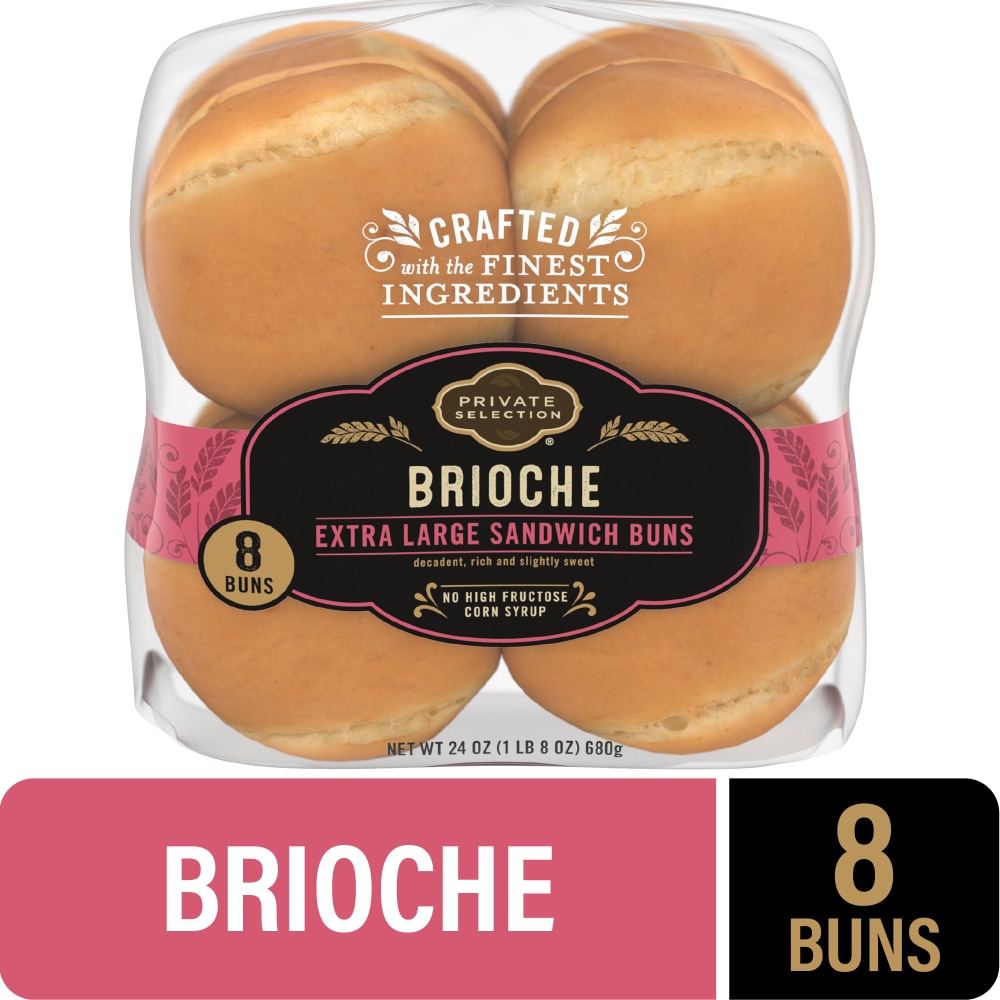



Brioche Buns
Summary
The brioche buns contain beneficial ingredients like eggs, butter, and milk protein, which provide essential nutrients and healthy fats. However, the presence of refined sugars and canola oil, which are linked to health concerns such as inflammation and increased caloric intake, negatively impacts the product's healthiness. Additionally, the buns are moderately processed, which further limits their score despite some nutritious components.
At a glance
Key ingredients 13
Wheat FlourNeutral
Wheat flour is a staple ingredient in bread products, providing structure and texture. It is a refined carbohydrate, which can lead to rapid spikes in blood sugar levels. Whole grain alternatives offer more fiber and nutrients compared to refined wheat flour.
Risks
Refined wheat flour can contribute to blood sugar spikes and lacks the fiber found in whole grains.
Benefits
Provides essential carbohydrates for energy but lacks significant nutritional benefits compared to whole grains.
EggGood
Eggs are a high-quality source of protein and contain essential vitamins and minerals. They provide a complete amino acid profile, beneficial for muscle repair and growth. Eggs also contain healthy fats and antioxidants like lutein and zeaxanthin.
Risks
Some individuals may have allergies to eggs, and excessive consumption can lead to increased cholesterol levels.
Benefits
Rich in protein and essential nutrients, supporting muscle health and providing antioxidants.
WaterNeutral
Water is a basic ingredient used to hydrate and bind ingredients in dough. It is essential for the baking process but does not contribute any nutritional value. Water is a neutral ingredient with no health risks or benefits.
See more about Water →SugarBad
Sugar is a refined carbohydrate that can contribute to increased blood sugar levels and caloric intake. Excessive consumption of sugar is linked to various health issues, including obesity and dental cavities. It is often used to enhance flavor but offers no essential nutrients.
Risks
High intake of sugar can lead to obesity, diabetes, and dental issues.
Canola OilVery Bad
Canola oil is a seed oil high in omega-6 fatty acids, which can promote inflammation when consumed in excess. It is often highly processed and may contain trans fats if not properly refined. Alternatives like olive oil offer healthier fat profiles.
Risks
High omega-6 content may promote inflammation and is often highly processed.
Invert Sugar SyrupBad
Invert sugar syrup is a liquid sweetener made from sugar, contributing to increased sweetness and moisture retention in baked goods. It is a refined sugar product, which can lead to health issues when consumed in excess. It provides no essential nutrients and is similar to regular sugar in health impact.
Risks
Excessive consumption can lead to obesity, diabetes, and other metabolic issues.
YeastGood
Yeast is a microorganism used in baking to ferment and leaven dough, creating a light and airy texture. It contributes to the development of flavor and aroma in bread products. Yeast is a natural ingredient with no significant health risks.
Benefits
Contributes to the leavening and flavor development in baked goods.
ButterGood
Butter is a dairy product rich in saturated fats and provides a creamy texture and flavor to baked goods. It contains fat-soluble vitamins like A, D, E, and K. Grass-fed butter offers higher levels of omega-3 fatty acids and CLA compared to conventional butter.
Risks
High in saturated fats, which can impact heart health if consumed in excess.
Benefits
Provides essential fat-soluble vitamins and enhances flavor and texture.
Skim MilkGood
Skim milk is a low-fat dairy product that provides protein, calcium, and vitamin D. It is used to add moisture and nutritional value to baked goods. Skim milk offers the benefits of dairy without the high fat content of whole milk.
Risks
Some individuals may be lactose intolerant or allergic to milk proteins.
Benefits
Rich in protein and calcium, supporting bone health and muscle function.
SaltNeutral
Salt is used to enhance flavor and control yeast activity in baking. It is an essential mineral but should be consumed in moderation to avoid health issues like hypertension. Salt is a common ingredient in many food products.
Risks
Excessive salt intake can lead to high blood pressure and cardiovascular issues.
Benefits
Enhances flavor and plays a role in dough fermentation.
Wheat GlutenNeutral
Wheat gluten is a protein derived from wheat, used to improve dough elasticity and texture. It is beneficial for creating a chewy texture in bread products. However, it can cause issues for individuals with gluten intolerance or celiac disease.
Risks
Can cause adverse reactions in individuals with gluten intolerance or celiac disease.
Benefits
Improves dough elasticity and texture in baked goods.
Natural FlavorBad
Natural flavor is a broad term for flavoring agents derived from natural sources, but the exact composition is often undisclosed. It can contain a variety of compounds, some of which may be highly processed. The lack of transparency makes it difficult to assess health impacts accurately.
Risks
Potential for undisclosed additives and processing methods that may not be healthful.
Milk ProteinGood
Milk protein is a high-quality protein source that provides essential amino acids necessary for muscle repair and growth. It is beneficial for individuals seeking to increase protein intake without added fats. Milk protein is well-absorbed and supports overall health.
Risks
May cause allergic reactions in individuals with milk allergies.
Benefits
Provides a complete amino acid profile and supports muscle health.
Processing
Processed Foods
Get the full breakdown in the Scout app
Scan any product to see lab results, healthy alternatives, and your personalized analysis.
Download on theApp Store