



At a glance
Summary
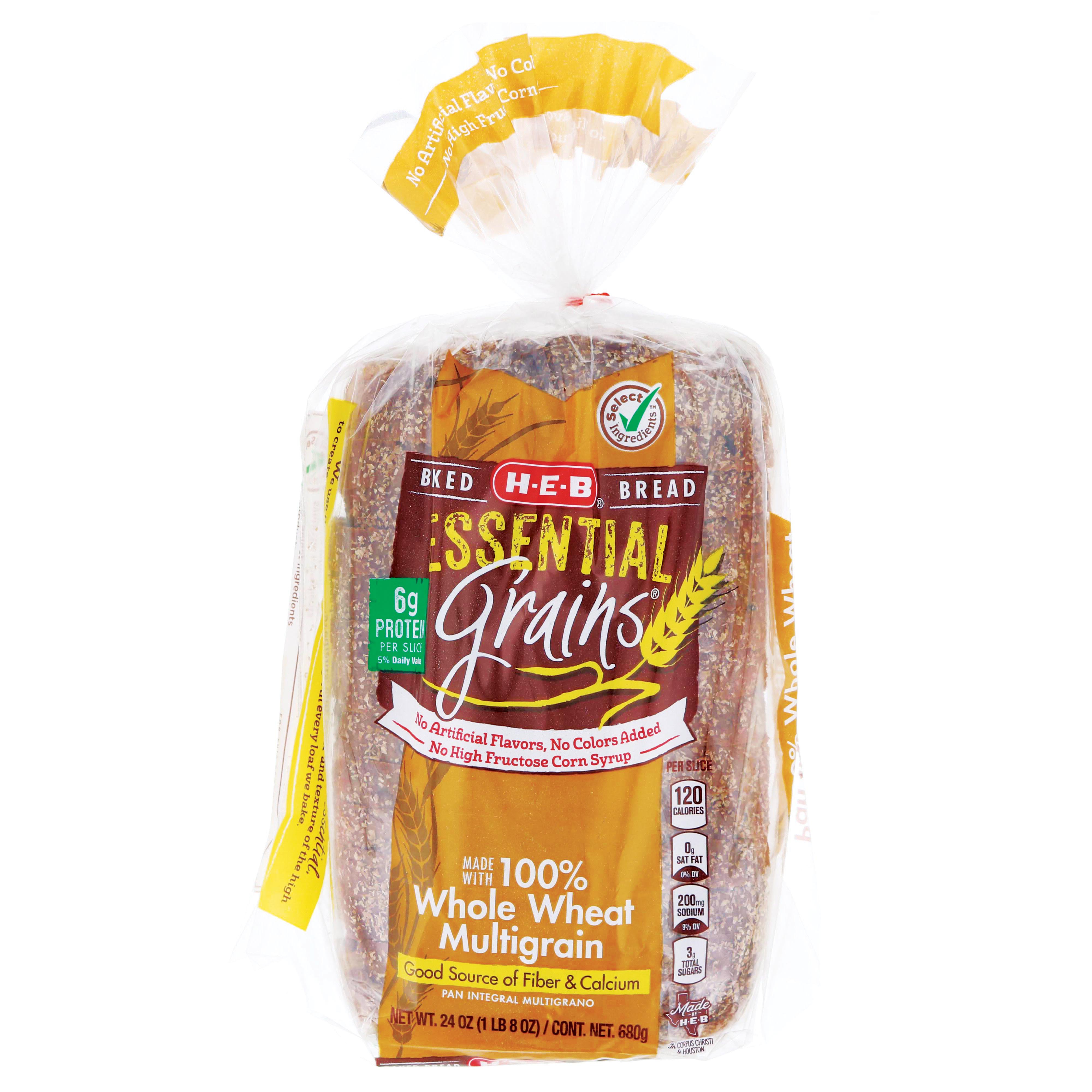
This whole wheat bread is made with whole wheat flour, which is a nutritious whole grain ingredient, and includes beneficial components like yeast, honey, and butter. However, it contains added sugar, which can contribute to increased calorie intake and blood sugar spikes. The bread is moderately processed, which limits its score, but the clean ingredient list without harmful additives supports a relatively high rating within its category.
Key ingredients 9
Whole wheat flourVery Good
Whole wheat flour is a whole grain ingredient rich in fiber and essential nutrients. It is minimally processed, retaining the bran and germ, which provide vitamins and minerals. Compared to refined flour, it offers better nutritional benefits and supports digestive health.
Benefits
Rich in dietary fiber, which aids digestion and helps maintain stable blood sugar levels. Provides essential nutrients like B vitamins and iron.
HoneyGood
Honey is a natural sweetener with antioxidant properties and trace nutrients. It is less processed than refined sugar and can provide a unique flavor profile. While still a sugar, it is often considered a better alternative due to its natural origin.
Risks
High consumption can lead to similar health issues as other sugars, such as weight gain and blood sugar spikes.
Benefits
Contains antioxidants and trace nutrients, offering a more natural sweetening option compared to refined sugar.
ButterGood
Butter is a natural fat that provides flavor and texture to bread. It contains fat-soluble vitamins like A, D, and E, and is less processed than margarine or seed oils. When sourced from grass-fed cows, it can offer additional health benefits.
Risks
High in saturated fats, which should be consumed in moderation to avoid cardiovascular risks.
Benefits
Rich in fat-soluble vitamins and provides a natural source of healthy fats when consumed in moderation.
Ascorbic acidGood
Vitamin C — beneficial even when serving as a preservative.
Benefits
Improves dough strength and bread texture without altering nutritional value.
WaterNeutral
Water is a neutral ingredient used as a solvent and to provide moisture in bread. It is essential for the activation of yeast and the development of gluten. Water itself does not contribute any nutritional value or health risks.
See more about Water →YeastNeutral
Baker's/nutritional yeast in standard use — benign.
Benefits
Contributes to the leavening and flavor development of bread. Provides B vitamins and may support gut health through fermentation.
SaltNeutral
Salt is used to enhance flavor and control yeast activity in bread. It is a common culinary ingredient with no significant processing concerns. While necessary in small amounts, excessive consumption can lead to health issues.
Risks
High sodium intake can contribute to hypertension and cardiovascular issues if consumed in excess.
Benefits
Enhances flavor and helps regulate yeast activity in bread-making.
Clean label enzymeNeutral
Clean label enzymes are used to improve dough handling and bread quality. They are derived from natural sources and are considered safe for consumption. These enzymes do not contribute to the nutritional content of the bread.
Benefits
Enhances dough performance and bread quality without adding artificial additives.
SugarBad
Sugar is a refined sweetener that can contribute to increased calorie intake and blood sugar spikes. It is often added to enhance flavor and aid in yeast fermentation. Excessive consumption of refined sugars is linked to various health issues.
Risks
High intake of refined sugar can lead to obesity, diabetes, and dental problems.
Benefits
Provides energy and aids in the fermentation process by feeding yeast.
Processing
Processed Foods
Get the full breakdown in the Scout appTake Scout shopping
Scan any product to see lab results, healthy alternatives, and your personalized analysis.
Download on theApp Store GET IT ONGoogle Play