



At a glance
Summary
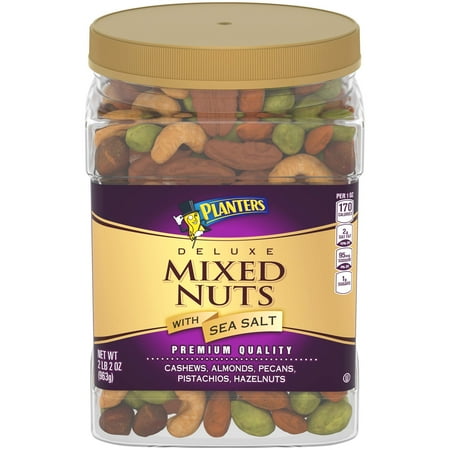
This product contains a variety of nutrient-dense nuts such as cashews, almonds, and macadamia nuts, which are rich in healthy fats, protein, and essential minerals. However, the inclusion of vegetable oils like peanut, cottonseed, soybean, and sunflower seed oils, which are high in omega-6 fatty acids, detracts from its nutritional quality due to their potential to promote inflammation. The processing level of the product also limits its score potential, despite the presence of beneficial ingredients.
Key ingredients 9
CashewsGood
Cashews are a good source of healthy fats, protein, and essential minerals like magnesium and copper. They are minimally processed and provide beneficial nutrients that support heart health. Cashews also contain antioxidants that may help reduce inflammation.
Risks
Cashews can be allergenic for some individuals and should be consumed with caution by those with nut allergies.
Benefits
Rich in monounsaturated fats and essential minerals, cashews support heart health and provide antioxidant benefits.
AlmondsGood
Almonds are nutrient-dense nuts high in healthy fats, protein, and vitamin E. They are minimally processed and contribute to heart health and skin health. Almonds also provide fiber, which supports digestive health.
Risks
Almonds can cause allergic reactions in individuals with nut allergies.
Benefits
High in monounsaturated fats and vitamin E, almonds support heart health and provide antioxidant protection.
Brazil NutsGood
Brazil nuts are an excellent source of selenium, a mineral important for thyroid function and antioxidant defense. They are minimally processed and provide healthy fats and protein. Consuming Brazil nuts can support immune function and reduce inflammation.
Risks
Excessive consumption of Brazil nuts can lead to selenium toxicity; moderation is advised.
Benefits
Rich in selenium, Brazil nuts support thyroid health and provide antioxidant benefits.
PistachiosGood
Pistachios are rich in healthy fats, protein, and antioxidants like lutein and zeaxanthin. They are minimally processed and contribute to heart health and eye health. Pistachios also provide fiber, which aids in digestion.
Risks
Pistachios can be allergenic for some individuals and should be consumed with caution by those with nut allergies.
Benefits
High in antioxidants and healthy fats, pistachios support heart and eye health.
Macadamia NutsGood
Macadamia nuts are high in monounsaturated fats, which are beneficial for heart health. They are minimally processed and provide essential nutrients like thiamine and manganese. Macadamia nuts also have a low omega-6 to omega-3 ratio, which is favorable for reducing inflammation.
Risks
Macadamia nuts can cause allergic reactions in individuals with nut allergies.
Benefits
Rich in monounsaturated fats, macadamia nuts support heart health and have anti-inflammatory properties.
PecansGood
Pecans are a good source of healthy fats, fiber, and antioxidants like vitamin E. They are minimally processed and contribute to heart health and digestive health. Pecans also provide essential minerals such as zinc and magnesium.
Risks
Pecans can be allergenic for some individuals and should be consumed with caution by those with nut allergies.
Benefits
High in antioxidants and healthy fats, pecans support heart health and provide essential nutrients.
FilbertsGood
Filberts, also known as hazelnuts, are rich in healthy fats, vitamin E, and magnesium. They are minimally processed and support heart health and brain health. Filberts also provide antioxidants that help reduce oxidative stress.
Risks
Filberts can cause allergic reactions in individuals with nut allergies.
Benefits
Rich in vitamin E and healthy fats, filberts support heart and brain health.
Sea SaltGood
Sea salt is a minimally processed source of sodium and trace minerals. It enhances flavor and provides essential electrolytes. Unlike refined table salt, sea salt retains beneficial minerals that support overall health.
Risks
Excessive sodium intake can lead to high blood pressure and cardiovascular issues.
Benefits
Provides essential electrolytes and trace minerals that support hydration and overall health.
Vegetable OilVery Bad
Vegetable oil, including peanut, cottonseed, soybean, and sunflower seed oils, is high in omega-6 fatty acids, which can promote inflammation. These oils are often highly processed and refined, which can reduce their nutritional quality. The high omega-6 content may disrupt the balance of fatty acids in the diet.
Risks
High omega-6 content may promote inflammation when consumed in excess.
Processing
Processed Foods
Get the full breakdown in the Scout appTake Scout shopping
Scan any product to see lab results, healthy alternatives, and your personalized analysis.
Download on theApp Store GET IT ONGoogle Play