


At a glance
Summary
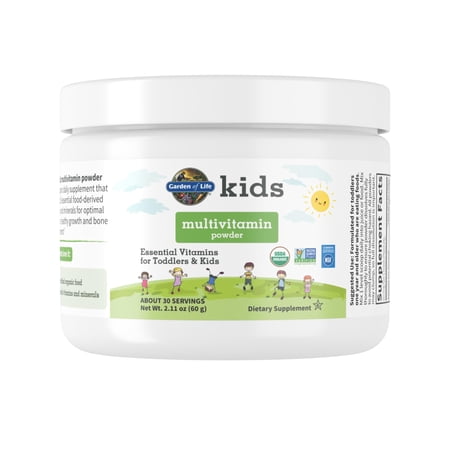
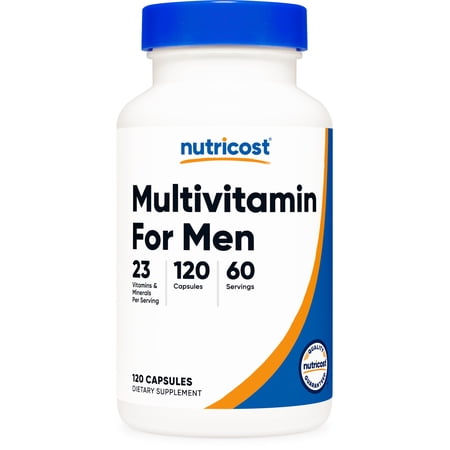
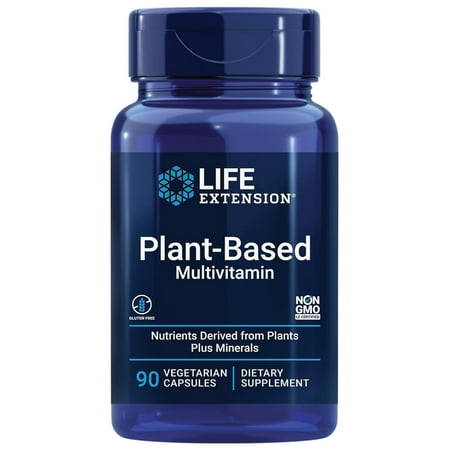
This multivitamin contains a variety of essential vitamins and minerals, such as vitamin C, vitamin E, and iron fumarate, which are beneficial for overall health. However, the formulation includes several additives, which slightly detract from its overall quality. While the product provides important nutrients, the presence of multiple additives and the use of less bioavailable forms of some minerals, like magnesium oxide, influence its rating.
Key ingredients 15
Vitamin CVery Good
Vitamin C is a powerful antioxidant that supports immune function and skin health. It is essential for the synthesis of collagen and the absorption of iron from plant-based foods. Regular intake can help reduce the duration of colds and improve overall health.
Benefits
Enhances immune function and acts as a potent antioxidant.
Vitamin EVery Good
Vitamin E is a fat-soluble antioxidant that protects cell membranes from oxidative damage. It supports immune function and skin health. As an antioxidant, it helps combat free radicals and may reduce the risk of chronic diseases.
Benefits
Protects cells from oxidative damage and supports immune health.
Vitamin DVery Good
Vitamin D is crucial for calcium absorption and bone health. It supports immune function and may reduce the risk of certain chronic diseases. Adequate vitamin D levels are important for maintaining healthy bones and teeth.
Benefits
Enhances calcium absorption and supports bone health.
Vitamin KVery Good
Vitamin K is essential for blood clotting and bone metabolism. It helps maintain bone density and reduces the risk of fractures. Vitamin K also plays a role in cardiovascular health by preventing arterial calcification.
Benefits
Supports bone health and proper blood clotting.
Vitamin AVery Good
Vitamin A is important for vision, immune function, and skin health. It plays a critical role in maintaining healthy vision and preventing night blindness. Vitamin A also supports the immune system and promotes healthy skin and mucous membranes.
Risks
Excessive intake can lead to toxicity and liver damage.
Benefits
Supports vision and immune function.
Magnesium OxideGood
Magnesium oxide is a common form of magnesium used in supplements to support muscle and nerve function. It is a cost-effective source of magnesium, though it may have lower bioavailability compared to other forms. Despite this, it remains a valuable mineral for maintaining overall health.
Risks
May cause digestive discomfort in some individuals if taken in high doses.
Benefits
Supports muscle and nerve function and helps maintain normal blood pressure.
Iron FumarateGood
Iron fumarate is a form of iron used to prevent or treat iron deficiency anemia. It is well-absorbed and effective in increasing iron levels in the body. Iron is crucial for the production of hemoglobin and oxygen transport in the blood.
Risks
Excessive iron intake can lead to toxicity and gastrointestinal issues.
Benefits
Essential for oxygen transport and energy production in the body.
NiacinGood
Niacin, also known as vitamin B3, is important for energy metabolism and DNA repair. It helps convert nutrients into energy and supports cardiovascular health. Niacin can also improve cholesterol levels when taken in higher doses.
Risks
High doses may cause flushing and liver damage.
Benefits
Supports energy metabolism and cardiovascular health.
Zinc OxideGood
Zinc oxide is a form of zinc used in supplements to support immune function and wound healing. It is an essential mineral that plays a role in numerous enzymatic reactions. Zinc is also important for maintaining skin health and reducing inflammation.
Risks
Excessive zinc intake can interfere with copper absorption and cause gastrointestinal issues.
Benefits
Supports immune function and promotes wound healing.
Pantothenic AcidGood
Pantothenic acid, or vitamin B5, is essential for the synthesis of coenzyme A, which is involved in fatty acid metabolism. It supports energy production and the synthesis of hormones and neurotransmitters. Pantothenic acid is crucial for maintaining healthy skin and hair.
Benefits
Supports energy production and hormone synthesis.
Copper GluconateGood
Copper gluconate is a form of copper used to support cardiovascular and immune health. Copper is essential for iron metabolism and the formation of red blood cells. It also plays a role in maintaining healthy connective tissues and the nervous system.
Risks
Excessive copper intake can lead to toxicity and liver damage.
Benefits
Supports cardiovascular health and iron metabolism.
Manganese SulfateGood
Manganese sulfate is a source of manganese, a trace mineral important for bone formation and antioxidant function. It supports the metabolism of carbohydrates, amino acids, and cholesterol. Manganese is also involved in the synthesis of collagen and wound healing.
Risks
High doses may lead to neurological issues.
Benefits
Supports bone health and antioxidant function.
Vitamin B6Good
Vitamin B6 is involved in amino acid metabolism and neurotransmitter synthesis. It supports brain health and may reduce the risk of cardiovascular disease. Vitamin B6 is also important for immune function and hemoglobin production.
Risks
High doses may cause nerve damage.
Benefits
Supports brain health and neurotransmitter synthesis.
ThiaminGood
Thiamin, or vitamin B1, is essential for energy metabolism and nerve function. It helps convert carbohydrates into energy and supports the nervous system. Thiamin is crucial for maintaining healthy nerve and muscle function.
Benefits
Supports energy metabolism and nerve function.
RiboflavinGood
Riboflavin, or vitamin B2, is important for energy production and cellular function. It acts as an antioxidant and supports the metabolism of fats, drugs, and steroids. Riboflavin is also essential for maintaining healthy skin and eyes.
Benefits
Supports energy production and acts as an antioxidant.
Processing
Ultra-Processed Foods
Get the full breakdown in the Scout appTake Scout shopping
Scan any product to see lab results, healthy alternatives, and your personalized analysis.
Download on theApp Store GET IT ONGoogle Play