

At a glance
Summary
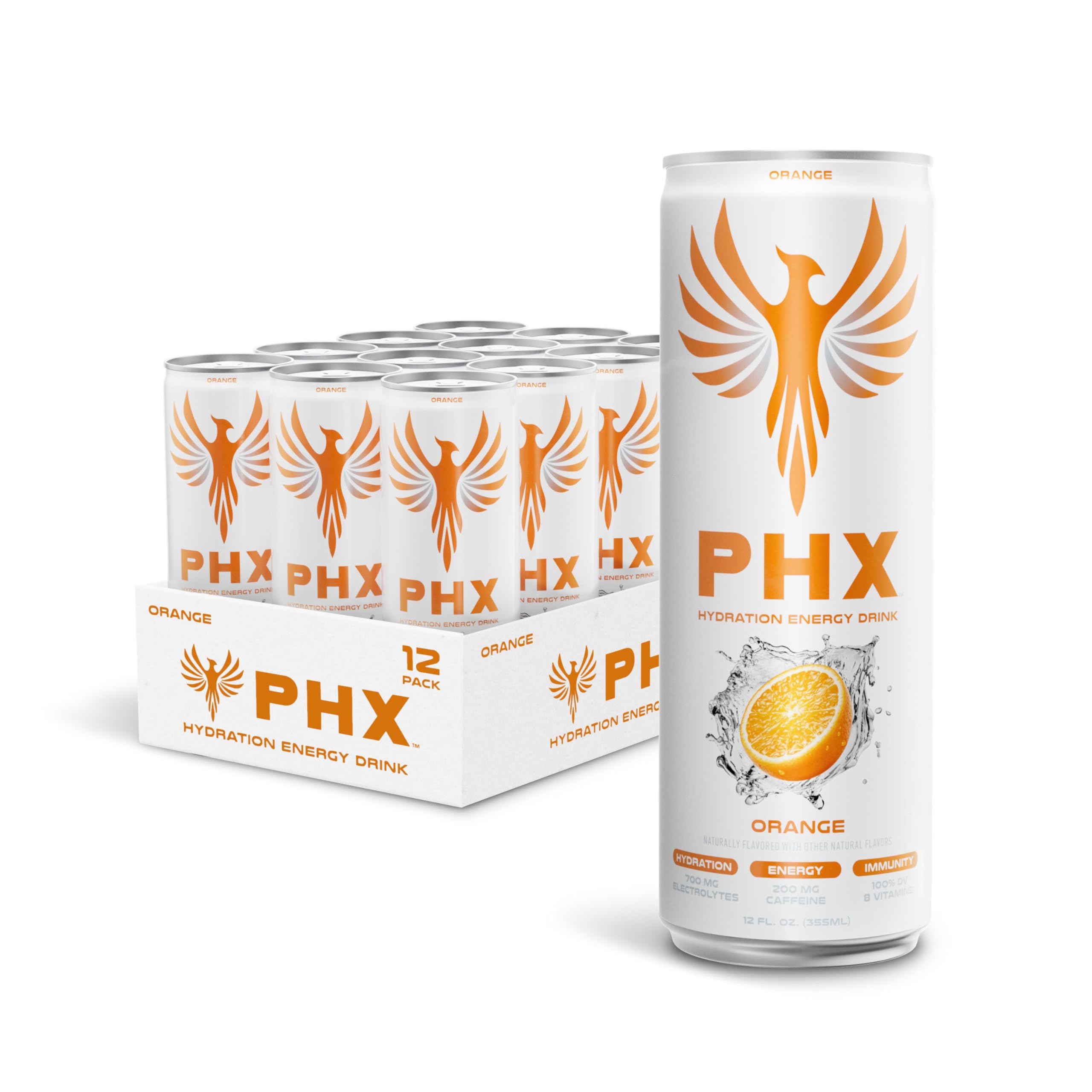
This product contains beneficial ingredients such as magnesium citrate, calcium citrate, and L-theanine, which support various health functions. However, the presence of sucralose, an artificial sweetener, and phosphoric acid, which can contribute to dental erosion, detracts from its overall healthfulness. Additionally, the use of natural flavors without transparency about their composition raises concerns about ingredient disclosure.
Key ingredients 20
Magnesium CitrateGood
Magnesium citrate is a magnesium supplement that supports muscle and nerve function. It is well-absorbed and beneficial for maintaining magnesium levels. It can help prevent magnesium deficiency.
Risks
Excessive intake may cause digestive issues such as diarrhea.
Benefits
Supports muscle and nerve function and helps prevent magnesium deficiency.
Calcium CitrateGood
Calcium citrate is a calcium supplement that supports bone health. It is well-absorbed and beneficial for maintaining calcium levels. It is particularly useful for individuals with low stomach acid.
Risks
Excessive intake may lead to hypercalcemia or kidney stones.
Benefits
Supports bone health and helps prevent calcium deficiency.
L-TheanineGood
L-Theanine is an amino acid found in tea that promotes relaxation without drowsiness. It is known for its calming effects and ability to improve focus. It is often used to counteract the jittery effects of caffeine.
Benefits
Promotes relaxation and improves focus, often used with caffeine for balanced energy.
Ascorbic AcidGood
Ascorbic acid, or vitamin C, is an essential nutrient that supports immune function and skin health. It is a powerful antioxidant that helps protect cells from damage. It is commonly used to enhance the nutritional profile of foods and beverages.
Risks
Excessive intake may cause digestive discomfort.
Benefits
Supports immune function and acts as a powerful antioxidant.
Zinc GluconateGood
Zinc gluconate is a zinc supplement that supports immune function and wound healing. It is well-absorbed and beneficial for maintaining zinc levels. It is often used to prevent or treat zinc deficiency.
Risks
Excessive intake may cause nausea or interfere with copper absorption.
Benefits
Supports immune function and aids in wound healing.
NiacinamideGood
Niacinamide, or vitamin B3, supports skin health and energy metabolism. It is a water-soluble vitamin that helps convert food into energy. It is beneficial for maintaining healthy skin and reducing inflammation.
Risks
High doses may cause flushing or liver issues.
Benefits
Supports skin health and energy metabolism.
CholecalciferolGood
Cholecalciferol, or vitamin D3, is essential for bone health and immune function. It helps the body absorb calcium and phosphorus. It is particularly important for individuals with limited sun exposure.
Risks
Excessive intake may lead to hypercalcemia.
Benefits
Essential for bone health and supports immune function.
Calcium D-PantothenateGood
Calcium D-Pantothenate, or vitamin B5, supports energy metabolism and the synthesis of coenzyme A. It is important for the production of energy from carbohydrates, fats, and proteins. It is beneficial for maintaining healthy skin and hair.
Benefits
Supports energy metabolism and healthy skin and hair.
BiotinGood
Biotin, or vitamin B7, supports hair, skin, and nail health. It is a water-soluble vitamin that plays a key role in energy metabolism. It is often used to strengthen hair and nails.
Benefits
Supports hair, skin, and nail health.
Pyridoxine HCLGood
Pyridoxine HCL, or vitamin B6, supports brain health and energy metabolism. It is involved in the production of neurotransmitters and red blood cells. It is beneficial for cognitive function and mood regulation.
Risks
Excessive intake may cause nerve damage.
Benefits
Supports brain health and energy metabolism.
CyanocobalaminGood
Cyanocobalamin, or vitamin B12, is essential for nerve function and red blood cell production. It is important for DNA synthesis and energy metabolism. It is particularly important for vegetarians and vegans who may have limited dietary sources.
Benefits
Essential for nerve function and red blood cell production.
Carbonated WaterNeutral
Carbonated water is simply water infused with carbon dioxide gas under pressure. It is a neutral ingredient with no significant health benefits or risks. It serves as a base for many beverages.
See more about Carbonated Water →Sodium CitrateNeutral
Sodium citrate is used as a preservative and to enhance flavor. It is generally recognized as safe and does not pose significant health risks. It helps maintain the stability and taste of the product.
See more about Sodium Citrate →Citric AcidNeutral
Citric acid is a natural preservative and flavor enhancer. It is commonly used in food and beverages and is generally considered safe. It provides a tangy flavor and helps preserve the product.
See more about Citric Acid →Potassium CitrateNeutral
Potassium citrate is used to regulate acidity and as a potassium supplement. It is generally safe and helps maintain the product's pH balance. It can also contribute to potassium intake.
Benefits
May contribute to potassium intake, supporting electrolyte balance.
CaffeineNeutral
Caffeine from green tea is a natural stimulant that can enhance alertness and focus. It is generally safe in moderate amounts and is part of traditional diets. It provides a mild energy boost without synthetic additives.
Risks
Excessive consumption may lead to jitteriness or insomnia.
Benefits
Enhances alertness and focus, providing a natural energy boost.
SaltNeutral
Salt is used to enhance flavor and preserve food. It is essential for various bodily functions but should be consumed in moderation. Excessive intake can lead to health issues such as hypertension.
Risks
Excessive intake may lead to hypertension and cardiovascular issues.
Benefits
Essential for bodily functions and enhances flavor.
Phosphoric AcidBad
Phosphoric acid is used to add acidity and tanginess to beverages. It can contribute to dental erosion and may affect bone health if consumed in excess. Its presence in processed foods is often viewed negatively due to potential health impacts.
Risks
Excessive consumption may lead to dental erosion and negatively impact bone health.
Natural FlavorsBad
Natural flavors are used to enhance taste but lack transparency about their composition. They can contain a variety of compounds, some of which may not be beneficial. The lack of disclosure can be concerning for consumers seeking transparency.
Risks
Potential allergens or unwanted compounds may be present without disclosure.
SucraloseBad
Sucralose is an artificial sweetener used to provide sweetness without calories. It is controversial due to potential impacts on gut health and metabolism. Its artificial nature and processing are often viewed negatively.
Risks
May affect gut health and metabolism when consumed in large amounts.
Benefits
Provides sweetness without adding calories.
Processing
Processed Foods
Get the full breakdown in the Scout appTake Scout shopping
Scan any product to see lab results, healthy alternatives, and your personalized analysis.
Download on theApp Store GET IT ONGoogle Play