


At a glance
Summary
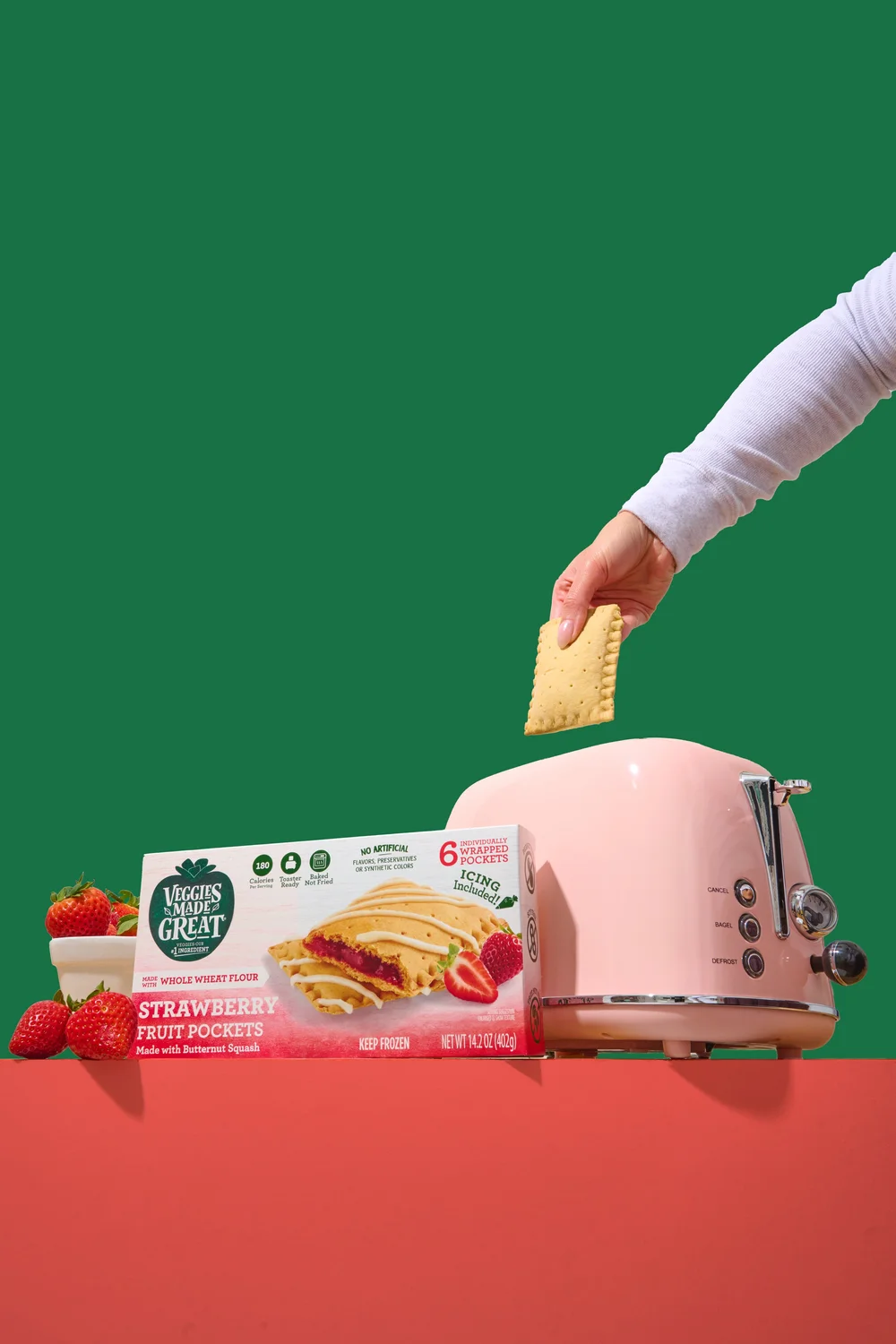
This product contains a mix of beneficial ingredients like butternut squash, strawberries, and whole wheat flour, which provide fiber and essential nutrients. However, the presence of refined sugar and the processed nature of the product limit its health benefits. While it includes some whole food components, the added sugar and processing level prevent it from achieving a higher score.
Key ingredients 11
StrawberriesVery Good
Strawberries are a low-calorie fruit rich in vitamin C and antioxidants. They provide dietary fiber and have anti-inflammatory properties. Their natural sweetness can reduce the need for added sugars.
Benefits
High in vitamin C and antioxidants that support immune health and reduce inflammation. Provides dietary fiber that aids in digestion.
CauliflowerVery Good
Cauliflower is a low-calorie vegetable rich in vitamins C and K, and fiber. It has anti-inflammatory properties and supports digestive health. Its versatility makes it a popular ingredient in healthy recipes.
Benefits
Rich in vitamins and fiber, supporting immune function and digestion.
Butternut SquashGood
Butternut squash is a nutrient-dense vegetable rich in vitamins A and C. It provides dietary fiber and antioxidants that support overall health. Its natural sweetness can enhance flavor without added sugars.
Benefits
Rich in vitamins and antioxidants that support immune function and skin health. Provides dietary fiber that aids in digestion.
Whole Wheat FlourGood
Whole wheat flour is a whole grain flour that retains the bran and germ, providing more fiber and nutrients. It supports digestive health and provides a more sustained energy release. It is a healthier alternative to refined flour.
Risks
May cause digestive issues for individuals with gluten intolerance.
Benefits
Rich in dietary fiber and essential nutrients like B vitamins and minerals.
Sorghum FlourGood
Sorghum flour is a gluten-free whole grain flour rich in antioxidants and fiber. It supports heart health and provides a source of plant-based protein. It is a nutritious alternative to refined flours.
Benefits
Rich in antioxidants and fiber, supporting heart health and digestion.
Unsalted ButterGood
Unsalted butter is a dairy product rich in fat-soluble vitamins like A, D, and E. It provides a rich flavor and is less processed than margarine. It is a source of healthy fats when consumed in moderation.
Risks
High in saturated fats, which may impact heart health if consumed in excess.
Benefits
Rich in fat-soluble vitamins and provides a natural source of healthy fats.
Potato StarchNeutral
Potato starch is a refined starch used as a thickener and stabilizer in foods. It is gluten-free and provides a smooth texture. It lacks significant nutritional value beyond carbohydrates.
Benefits
Provides a gluten-free option for thickening and stabilizing foods.
Nonfat Dry MilkNeutral
Nonfat dry milk is a dehydrated form of milk that retains protein and calcium. It is used to add creaminess and nutritional value to foods. It lacks the fat content found in whole milk.
Risks
May cause issues for individuals with lactose intolerance.
Benefits
Provides protein and calcium, supporting bone health.
Enriched Wheat FlourBad
Refined grain flour stripped of bran and germ.
Risks
May contribute to blood sugar spikes due to its refined nature.
Benefits
Provides essential nutrients like iron and B vitamins due to enrichment.
SugarBad
Refined sugar is a high-calorie sweetener with no essential nutrients. Excessive consumption can lead to health issues like obesity and diabetes. It is often added to enhance sweetness in processed foods.
Risks
High intake can lead to obesity, insulin resistance, and dental cavities.
Natural FlavorBad
Umbrella term that can hide dozens of undisclosed synthetic constituents.
Risks
Potential for undisclosed allergens or sensitivities.
Benefits
Enhances flavor without adding calories or sugar.
Processing
Processed Foods
Get the full breakdown in the Scout appTake Scout shopping
Scan any product to see lab results, healthy alternatives, and your personalized analysis.
Download on theApp Store GET IT ONGoogle Play