
COTTAGE CHEESE
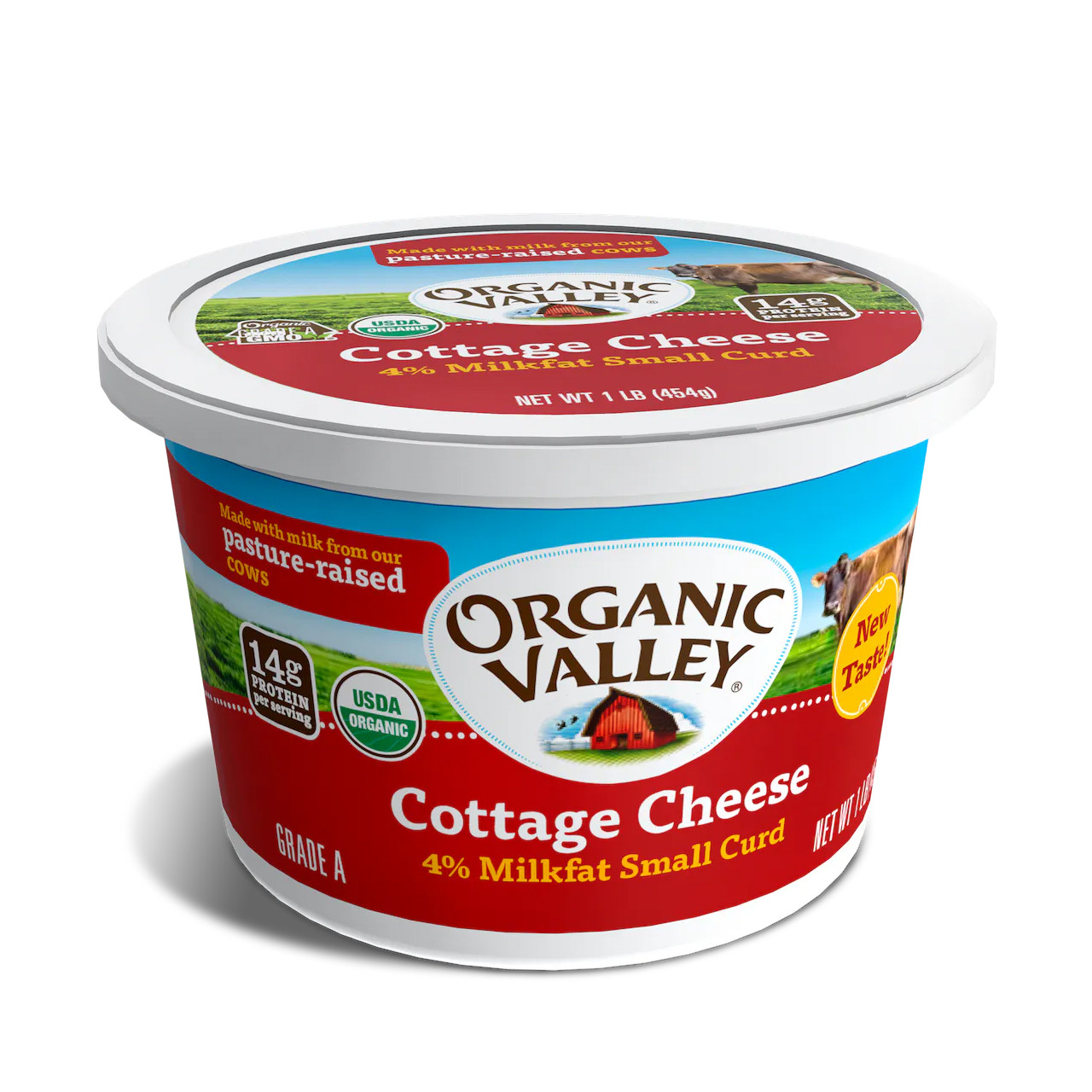
At a glance
Summary
This cottage cheese contains beneficial ingredients like cultured nonfat milk, which provides protein and probiotics. However, it is considered ultra-processed due to the presence of additives such as carrageenan, which is controversial for potential inflammatory effects. The inclusion of multiple additives and its processing level limit its health score despite its nutritional benefits.
Key ingredients 8
Cultured grade a pasteurized nonfat milkGood
This is a high-quality source of protein and calcium, essential for bone health. The pasteurization process ensures safety by eliminating harmful bacteria. Culturing enhances digestibility and adds beneficial probiotics.
Benefits
Provides essential nutrients like protein and calcium, and may support gut health due to probiotics.
CreamGood
Traditional whole-fat dairy ingredient.
Risks
High in saturated fat, which may contribute to heart disease if consumed in excess.
Benefits
Enhances flavor and texture, and provides fat-soluble vitamins if sourced from quality dairy.
SaltNeutral
Salt is used to enhance flavor and preserve the product. It is a common ingredient in cheese-making. Excessive consumption can lead to health issues such as hypertension.
Risks
High sodium intake is associated with increased risk of hypertension and cardiovascular diseases.
Benefits
Essential for flavor enhancement and preservation in cheese products.
Locust bean gumNeutral
Locust bean gum is a natural thickener derived from carob seeds. It is used to improve texture and stability in dairy products. Generally considered safe, but may cause digestive issues in sensitive individuals.
Risks
May cause digestive discomfort in some individuals if consumed in large amounts.
Benefits
Improves texture and stability of the product without significant health risks.
Citric acidNeutral
Citric acid is a natural preservative and flavor enhancer. It is commonly used in food processing to maintain freshness and acidity. Generally recognized as safe, but excessive consumption may cause dental erosion.
Risks
Excessive consumption may lead to dental erosion due to its acidic nature.
Benefits
Helps maintain freshness and enhances flavor without significant health risks.
Carbon dioxideNeutral
Carbon dioxide is used to maintain freshness by inhibiting microbial growth. It is a common and safe food additive. No significant health concerns are associated with its use in food preservation.
Benefits
Helps maintain product freshness and extend shelf life without health risks.
EnzymesNeutral
Enzymes are used in cheese-making to aid in the coagulation of milk. They are essential for the development of texture and flavor in cheese. Typically derived from microbial or animal sources, they are safe and effective.
Benefits
Essential for cheese production, contributing to texture and flavor development.
CarrageenanBad
Carrageenan is a thickening agent derived from red seaweed. It is controversial due to potential inflammatory effects in the digestive tract. Its use is debated, with some studies suggesting it may cause gastrointestinal issues.
Risks
May cause gastrointestinal inflammation and discomfort in sensitive individuals.
Benefits
Provides texture and stability to the product, but benefits are outweighed by potential risks.
Processing
Ultra-Processed Foods
Get the full breakdown in the Scout appTake Scout shopping
Scan any product to see lab results, healthy alternatives, and your personalized analysis.


