
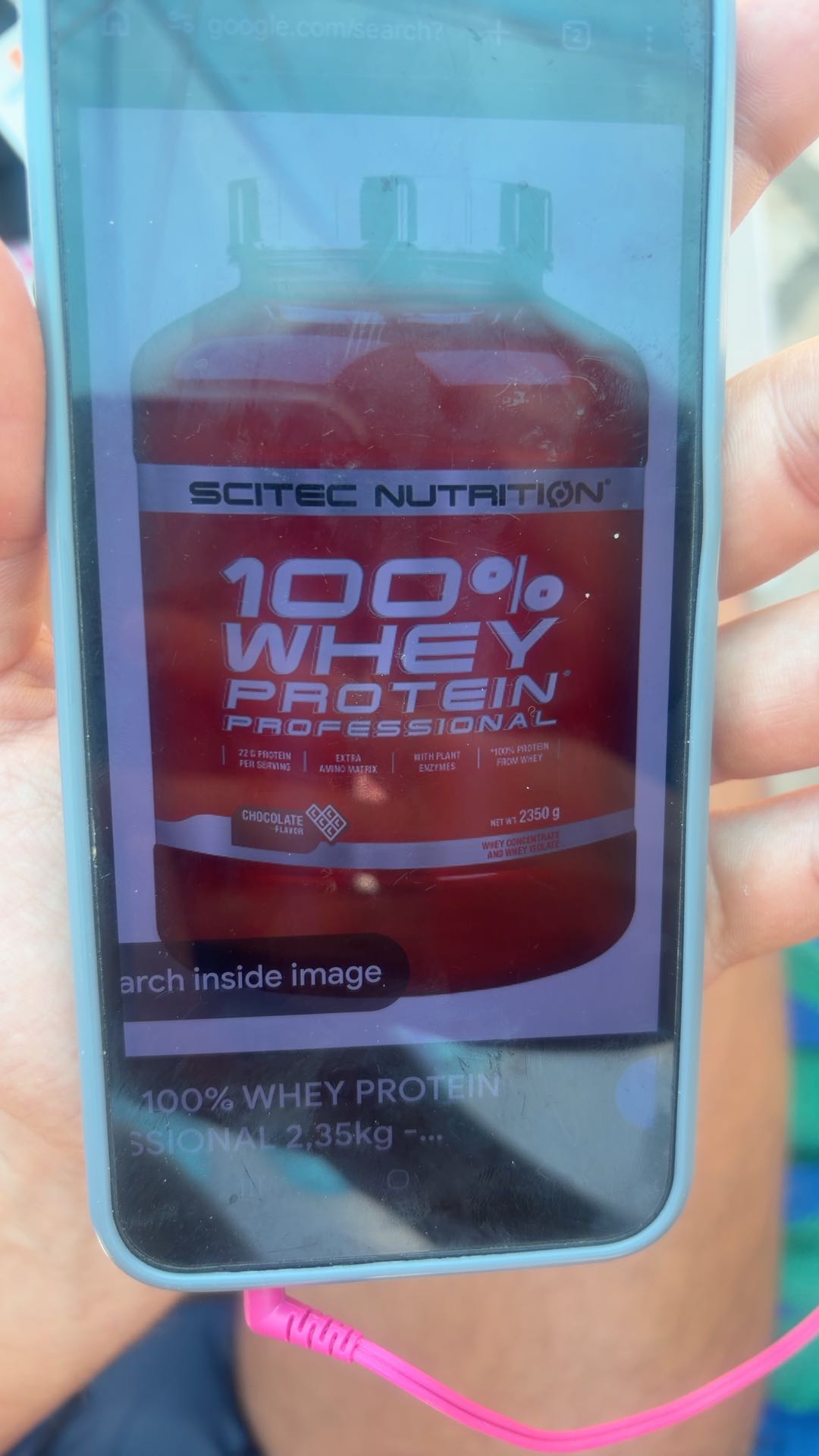


Scitec Nutrition 100%whey Protein Professional 2350g Cappuncino
Analysis updated June 2026 · How Scout scores
At a glance
Summary
This protein powder contains high-quality whey protein concentrate, which is beneficial for muscle growth and recovery. However, it includes artificial sweeteners such as acesulfame K and sucralose, which are associated with potential health concerns. Additionally, the presence of soy lecithin as an emulsifier and several additives contributes to a moderate level of processing, impacting the overall score.
Key ingredients 14
Whey Protein ConcentrateGood
Whey protein concentrate is a high-quality protein source that provides all essential amino acids. It is derived from milk and is known for its excellent digestibility and absorption. This ingredient supports muscle growth and recovery, making it beneficial for athletes and active individuals.
Benefits
Rich in essential amino acids, supports muscle growth and recovery.
TaurineGood
Beneficial ingredient — whole-food or functional value in this product class.
Benefits
May support energy metabolism and muscle function.
L-GlutamineGood
L-Glutamine is an amino acid that supports muscle recovery and immune function. It is naturally produced by the body and is also found in dietary sources. Supplementing with L-Glutamine may help reduce muscle soreness and improve recovery after intense exercise.
Benefits
Supports muscle recovery and immune function.
L-LeucineGood
L-Leucine is a branched-chain amino acid (BCAA) that plays a critical role in muscle protein synthesis. It is essential for muscle growth and repair, particularly after exercise. Supplementing with L-Leucine can enhance muscle recovery and support lean muscle mass.
Benefits
Enhances muscle recovery and supports lean muscle mass.
Bromelain ExtractGood
Bromelain extract is an enzyme derived from pineapples that aids in protein digestion and has anti-inflammatory properties. It is used to support digestion and may help reduce inflammation and muscle soreness. Its natural origin and beneficial effects make it a valuable addition to supplements.
Benefits
Aids in protein digestion and reduces inflammation.
Papain ExtractGood
Papain extract is an enzyme from papaya that helps break down proteins and supports digestion. It is valued for its digestive benefits and potential to alleviate digestive discomfort. As a natural enzyme, it is a beneficial addition to protein supplements.
Benefits
Supports digestion and alleviates digestive discomfort.
Citric AcidNeutral
Citric acid is used as an acidulant to enhance flavor and preserve freshness. It is a naturally occurring compound found in citrus fruits and is widely used in the food industry. While generally recognized as safe, excessive consumption may cause gastrointestinal discomfort in sensitive individuals.
Risks
Excessive consumption may cause gastrointestinal discomfort.
Benefits
Enhances flavor and preserves freshness.
Sodium ChlorideNeutral
Sodium chloride, commonly known as salt, is used to enhance flavor and as an electrolyte source. It is essential for maintaining fluid balance and nerve function. However, excessive intake can contribute to high blood pressure and cardiovascular issues.
Risks
Excessive intake can contribute to high blood pressure.
Benefits
Essential for fluid balance and nerve function.
Xanthan GumNeutral
Xanthan gum is a thickening agent used to improve texture and stability in food products. It is produced through fermentation and is generally recognized as safe. While it can cause digestive issues in large amounts, it is typically used in small quantities.
Risks
May cause digestive issues in large amounts.
Benefits
Improves texture and stability of the product.
Beet RedNeutral
Beet red is a natural colorant derived from beets, used to enhance the visual appeal of food products. It is considered safe and is a preferable alternative to synthetic dyes. While it provides color, it does not contribute significant nutritional benefits.
Benefits
Provides natural coloring without synthetic additives.
Soy LecithinBad
Soy lecithin is used as an emulsifier to improve texture and mixability. It is a processed ingredient derived from soybeans, which may contain genetically modified organisms (GMOs) and allergens. While it is generally considered safe, some individuals may prefer to avoid soy-based additives.
Risks
Potential allergen and may contain GMOs.
Benefits
Improves texture and mixability of the product.
Acesulfame KBad
Acesulfame K is an artificial sweetener used to provide sweetness without calories. It is chemically synthesized and has been associated with potential health concerns, including metabolic effects. While approved for use, some consumers prefer to avoid artificial sweeteners.
Risks
Potential metabolic effects and health concerns.
Benefits
Provides sweetness without adding calories.
SucraloseBad
Sucralose is an artificial sweetener that is used to replace sugar in low-calorie products. It is chemically altered to be non-caloric and has been linked to potential gut microbiome alterations. While it is widely used, some studies suggest it may affect insulin sensitivity.
Risks
May alter gut microbiome and affect insulin sensitivity.
Benefits
Provides sweetness without calories.
DextroseBad
Refined added sugar.
Risks
Excessive consumption can lead to blood sugar spikes.
Benefits
Provides quick energy and replenishes glycogen stores.
Processing
Ultra-Processed Foods
Get the full breakdown in the Scout appTake Scout shopping
Scan any product to see lab results, healthy alternatives, and your personalized analysis.
Download on theApp Store GET IT ONGoogle Play