



At a glance
Summary
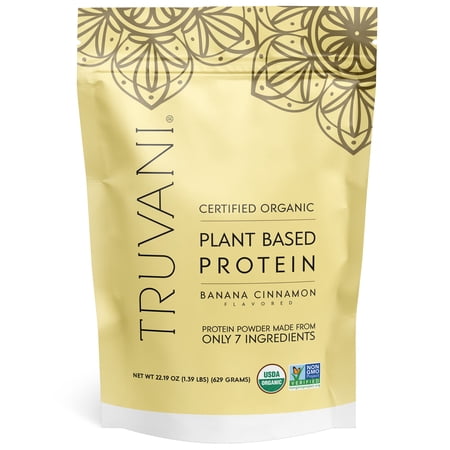
This protein shake features a blend of plant-based proteins such as brown rice, pea, and chickpea, which are minimally processed and provide a good amino acid profile. The use of almond milk and natural sweeteners like monk fruit extract and coconut sugar contributes positively to the formulation. However, the presence of natural flavors and emulsifiers like sunflower lecithin and gums introduces some processing concerns, slightly impacting the overall score.
Key ingredients 14
Almond MilkGood
Almond milk is a plant-based milk alternative that is low in calories and contains healthy fats. It is often fortified with vitamins and minerals, making it a nutritious choice for those avoiding dairy. The use of filtered water and almonds suggests minimal processing, enhancing its health benefits.
Risks
Potential allergen for individuals with nut allergies.
Benefits
Provides a source of vitamin E and healthy fats that support heart health.
Brown Rice ProteinGood
Brown rice protein is a plant-based protein source that is hypoallergenic and easily digestible. It provides a good amino acid profile, especially when combined with other plant proteins. It is minimally processed, retaining more nutrients compared to highly processed proteins.
Benefits
Offers a complete protein source when combined with other proteins, supporting muscle growth and repair.
Chickpea ProteinGood
Chickpea protein is a plant-based protein that is rich in fiber and essential nutrients. It is a good source of protein for vegetarians and vegans. The protein extraction process is typically gentle, maintaining its nutritional integrity.
Benefits
Provides a source of protein and fiber, supporting digestive health and muscle maintenance.
Chicory Root FiberGood
Beneficial ingredient — whole-food or functional value in this product class.
Risks
May cause bloating or gas in sensitive individuals.
Benefits
Promotes digestive health by increasing beneficial gut bacteria.
Sea SaltGood
Beneficial ingredient — whole-food or functional value in this product class.
Risks
Excessive consumption can contribute to high blood pressure.
Benefits
Provides essential minerals and enhances flavor.
Monk Fruit ExtractGood
Beneficial ingredient — whole-food or functional value in this product class.
Benefits
Provides sweetness without calories or blood sugar impact.
CinnamonGood
Cinnamon is a spice known for its antioxidant properties and potential to support blood sugar regulation. It is a natural ingredient with minimal processing. Its inclusion adds flavor and potential health benefits.
Benefits
Rich in antioxidants and may help regulate blood sugar levels.
Pea ProteinNeutral
Standard formulation ingredient — neither beneficial nor harmful at typical use.
Benefits
Supports muscle growth and maintenance with a balanced amino acid profile.
Agave FiberNeutral
Agave fiber is a prebiotic fiber that supports gut health by promoting beneficial bacteria growth. It is derived from the agave plant and is minimally processed. While it offers digestive benefits, it does not provide significant nutritional value beyond fiber.
Benefits
Supports digestive health by acting as a prebiotic, promoting beneficial gut bacteria.
Coconut SugarNeutral
Coconut sugar is a natural sweetener derived from the sap of coconut palm trees. It has a lower glycemic index compared to regular sugar, making it a slightly better option for blood sugar management. However, it is still a form of sugar and should be consumed in moderation.
Risks
Excessive consumption can lead to increased blood sugar levels.
Benefits
Provides trace amounts of minerals and has a lower glycemic index than regular sugar.
Locust Bean GumNeutral
Locust bean gum is a natural thickener derived from carob seeds. It is used to improve texture and stability in food products. While generally safe, it offers no significant nutritional benefits.
Benefits
Improves texture and stability of food products.
Gellan GumNeutral
Gellan gum is a gelling agent used to stabilize and thicken food products. It is produced through fermentation and is considered safe for consumption. It does not provide nutritional benefits but enhances product texture.
Benefits
Enhances texture and stability of food products.
Natural FlavorsBad
Natural flavors are a catch-all term for flavoring agents derived from natural sources but can be highly processed. They lack transparency, making it difficult to assess their health impact. The processing methods and potential additives used in natural flavors can be concerning.
Risks
Lack of transparency and potential for hidden additives.
Sunflower LecithinBad
Sunflower lecithin is an emulsifier derived from sunflower seeds, used to improve texture and mixability. While not as harmful as seed oils, it is still a processed additive. It is generally considered safe but offers no significant nutritional benefits.
Benefits
Improves texture and mixability of products.
Processing
Ultra-Processed Foods
Get the full breakdown in the Scout appTake Scout shopping
Scan any product to see lab results, healthy alternatives, and your personalized analysis.
Download on theApp Store GET IT ONGoogle Play