


At a glance
Summary
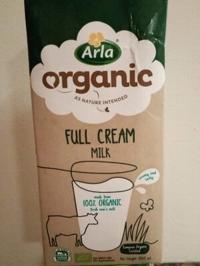
This product is minimally processed and primarily consists of low-fat milk, which is a good source of essential nutrients like calcium and protein. The addition of vitamins such as B12, B5, B2, and D, along with minerals like potassium and calcium, enhances its nutritional profile. The absence of harmful additives and the focus on beneficial ingredients contribute to its high rating.
Key ingredients 11
CalciumVery Good
Calcium is vital for bone health and plays a role in muscle function and nerve signaling. Dairy products are a primary source of calcium, making them important for maintaining strong bones. Adequate calcium intake is crucial throughout life to prevent bone-related diseases.
Benefits
Supports bone health, muscle function, and nerve signaling, reducing the risk of osteoporosis.
Vitamin DVery Good
Vitamin D is crucial for calcium absorption and bone health. It is often added to dairy products to enhance nutritional value, especially in regions with limited sunlight exposure. Adequate vitamin D levels are important for immune function and bone strength.
Benefits
Enhances calcium absorption and supports bone health and immune function.
Low fat milkGood
Low fat milk is a source of essential nutrients like calcium and protein. It is minimally processed and retains most of the natural vitamins and minerals found in whole milk. It provides a lower fat option while still offering nutritional benefits.
Benefits
Provides essential nutrients such as calcium and protein, supporting bone health and muscle function.
Vitamin B12Good
Vitamin B12 is crucial for nerve function and the production of DNA and red blood cells. It is often added to dairy products to enhance nutritional value. This vitamin is especially important for those who may not get enough from their diet.
Benefits
Supports nerve function and the production of DNA and red blood cells, essential for overall health.
Vitamin B5Good
Vitamin B5, or pantothenic acid, is essential for synthesizing coenzyme A, which is important for fatty acid metabolism. It is commonly found in both plant and animal-based foods. Supplementation in dairy products helps ensure adequate intake.
Benefits
Supports energy metabolism and the synthesis of essential fatty acids.
Vitamin B2Good
Vitamin B2, or riboflavin, is important for energy production and cellular function. It is naturally present in milk and helps convert food into energy. Riboflavin also supports skin health and vision.
Benefits
Aids in energy production and supports skin health and vision.
PotassiumGood
Potassium is an essential mineral that helps regulate fluid balance, muscle contractions, and nerve signals. It is naturally found in many foods, including dairy. Adequate potassium intake is important for cardiovascular health.
Benefits
Supports cardiovascular health and helps regulate fluid balance and muscle contractions.
ChlorideNeutral
Chloride is an essential electrolyte that helps maintain fluid balance in the body. It is naturally present in many foods and is a component of table salt. While necessary for health, it is typically consumed in adequate amounts through a regular diet.
Risks
Excessive intake can contribute to high blood pressure, but this is not a concern at typical dietary levels.
Benefits
Helps maintain fluid balance and is essential for proper digestion.
Folic acidNeutral
Standard formulation ingredient — neither beneficial nor harmful at typical use.
Benefits
Supports DNA synthesis and is crucial for fetal development during pregnancy.
SaltNeutral
Salt is used to enhance flavor and preserve food. It is a common ingredient in many processed foods. While necessary for health, excessive intake can lead to health issues such as high blood pressure.
Risks
Excessive consumption can contribute to high blood pressure and cardiovascular disease.
Benefits
Enhances flavor and acts as a preservative in foods.
SodiumNeutral
Sodium is an essential electrolyte that helps maintain fluid balance and is involved in nerve function. It is naturally present in many foods and is a component of table salt. While necessary, it should be consumed in moderation.
Risks
High intake can lead to hypertension and cardiovascular issues.
Benefits
Essential for fluid balance and nerve function.
Processing
Unprocessed or Minimally Processed Foods
Get the full breakdown in the Scout appTake Scout shopping
Scan any product to see lab results, healthy alternatives, and your personalized analysis.
Download on theApp Store GET IT ONGoogle Play