


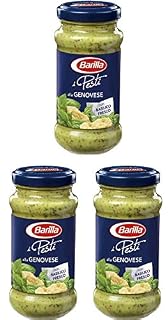


At a glance
Summary
This pesto contains beneficial ingredients like basil, cheese, olive oil, and garlic, which provide antioxidants and healthy fats. However, the presence of sunflower oil, a seed oil high in omega-6 fatty acids, and added sugar detracts from its healthiness. The product is also classified as ultra-processed due to the inclusion of flavoring and an acidity regulator, which limits its potential health score.
Key ingredients 13
BasilGood
Basil is a fresh herb rich in antioxidants and essential oils. It provides anti-inflammatory and antibacterial properties. Its natural compounds may support immune health.
Benefits
Rich in antioxidants and essential oils that may support immune health and reduce inflammation.
CheeseGood
Cheese provides a good source of protein and calcium, essential for bone health. It contains beneficial bacteria that may support gut health. The presence of milk fat offers fat-soluble vitamins.
Risks
May cause allergic reactions in individuals sensitive to dairy.
Benefits
Rich in protein and calcium, supporting bone health and providing essential nutrients.
Olive oilGood
Olive oil is a high-quality monounsaturated fat with anti-inflammatory properties. It contains antioxidants that support heart health. Cold-pressed extraction preserves beneficial compounds.
Benefits
Rich in monounsaturated fats that support heart health and provide anti-inflammatory properties.
GarlicGood
Garlic is known for its potential health benefits, including antimicrobial and cardiovascular support. It contains sulfur compounds that may enhance immune function. Fresh garlic provides more benefits than processed forms.
Benefits
Contains sulfur compounds that may enhance immune function and support cardiovascular health.
Cashew nutsNeutral
Cashew nuts are a source of healthy fats and minerals like magnesium and zinc. They provide protein and fiber, contributing to satiety. However, they are calorie-dense and should be consumed in moderation.
Risks
May cause allergic reactions in individuals with nut allergies.
Benefits
Provide healthy fats and essential minerals, contributing to overall nutrition.
Pecorino cheeseNeutral
Pecorino cheese is a hard cheese made from sheep's milk, offering a distinct flavor and protein content. It is rich in calcium and other minerals. However, it is high in sodium, which may be a concern for some individuals.
Risks
High sodium content may contribute to increased blood pressure if consumed in excess.
Benefits
Rich in calcium and protein, supporting bone health and providing essential nutrients.
SaltNeutral
Salt is used to enhance flavor and preserve food. It is a necessary nutrient for maintaining fluid balance and nerve function. However, excessive intake can lead to hypertension and cardiovascular issues.
Risks
Excessive consumption may lead to hypertension and cardiovascular issues.
Benefits
Essential for maintaining fluid balance and nerve function.
Pine nutsNeutral
Pine nuts are a source of healthy fats, protein, and essential minerals. They provide a unique flavor and texture to dishes. However, they are calorie-dense and should be consumed in moderation.
Risks
May cause allergic reactions in individuals with nut allergies.
Benefits
Provide healthy fats and essential minerals, contributing to overall nutrition.
Potato flakesNeutral
Potato flakes are a processed form of potatoes used as a thickening agent. They provide carbohydrates and some fiber. However, they are less nutritious than whole potatoes due to processing.
Benefits
Provide carbohydrates and some fiber, contributing to energy intake.
Acidity regulator E575Neutral
E575 is used to maintain the acidity of food products. It is generally recognized as safe when used in food processing. It does not provide nutritional benefits but helps in preserving food quality.
Benefits
Helps in maintaining food quality by regulating acidity.
SugarBad
Sugar is a refined carbohydrate that can contribute to weight gain and metabolic issues when consumed in excess. It provides empty calories without essential nutrients. High sugar intake is linked to increased risk of chronic diseases.
Risks
High intake can lead to weight gain, metabolic issues, and increased risk of chronic diseases.
FlavoringBad
Flavoring is a broad term that can include artificial or natural additives to enhance taste. It lacks transparency and may include undesirable additives. The lack of specificity makes it difficult to assess health impacts.
Risks
May contain artificial additives that could have negative health effects.
Sunflower oilVery Bad
Sunflower oil is a seed oil high in omega-6 fatty acids, which can promote inflammation. It is often extracted using high heat and chemicals, which may degrade its nutritional quality. Consuming high amounts of omega-6 fatty acids can disrupt the balance of omega-3 to omega-6 in the diet.
Risks
High omega-6 content may promote inflammation when consumed in excess.
Processing
Ultra-Processed Foods
Get the full breakdown in the Scout appTake Scout shopping
Scan any product to see lab results, healthy alternatives, and your personalized analysis.
Download on theApp Store GET IT ONGoogle Play