



At a glance
Summary
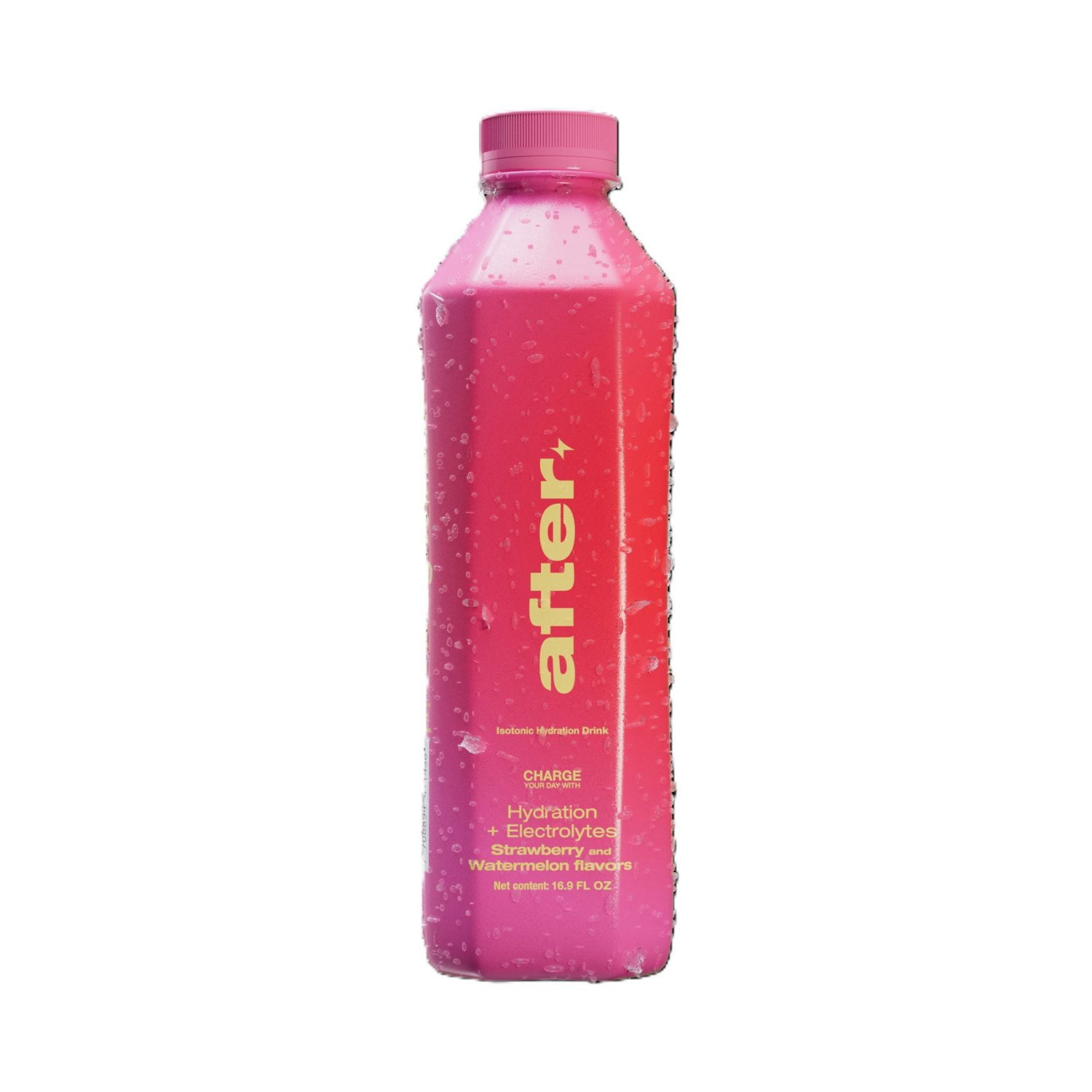
This beverage contains beneficial vitamins and minerals such as magnesium, zinc, and vitamin D3, which support various bodily functions. However, it is classified as ultra-processed due to the presence of added fructose and artificial flavors, which can contribute to metabolic issues if consumed excessively. The processing level and inclusion of fructose limit its overall healthiness despite the presence of beneficial nutrients.
Key ingredients 15
Vitamin B12Good
Vitamin B12 is essential for nerve function and the production of DNA and red blood cells. It is particularly important for energy metabolism and neurological health. Supplementation can be beneficial for individuals with dietary restrictions.
Benefits
Supports energy metabolism and neurological health.
BiotinGood
Biotin is a B-vitamin that plays a key role in the metabolism of fats, carbohydrates, and proteins. It is often associated with improved hair, skin, and nail health. Biotin is water-soluble and generally safe for consumption.
Benefits
Supports metabolism and may improve hair, skin, and nail health.
Pantothenic AcidGood
Pantothenic acid, also known as vitamin B5, is important for synthesizing coenzyme A, which is crucial for fatty acid metabolism. It supports energy production and the synthesis of hormones. It is widely available in foods and supplements.
Benefits
Supports energy production and hormone synthesis.
MagnesiumGood
Magnesium is a vital mineral involved in over 300 biochemical reactions in the body, including muscle and nerve function, blood glucose control, and bone health. It is essential for maintaining normal muscle and nerve function.
Risks
Excessive intake can lead to diarrhea and abdominal cramping.
Benefits
Supports muscle and nerve function, and bone health.
ZincGood
Zinc is an essential mineral that supports immune function, wound healing, and DNA synthesis. It is crucial for maintaining a healthy immune system and metabolic function. Zinc deficiency can lead to impaired immune response.
Risks
Excessive intake can cause nausea, vomiting, and immune dysfunction.
Benefits
Supports immune function and wound healing.
Vitamin D3Good
Vitamin D3 is crucial for calcium absorption and bone health. It supports immune function and has been linked to mood regulation. It is often supplemented due to limited dietary sources and sun exposure.
Risks
Excessive intake can lead to hypercalcemia and associated health issues.
Benefits
Enhances calcium absorption and supports bone and immune health.
Vitamin EGood
Vitamin E is a powerful antioxidant that protects cells from oxidative damage. It supports immune function and skin health. It is fat-soluble and found in various foods and supplements.
Risks
High doses can interfere with blood clotting and increase the risk of hemorrhage.
Benefits
Protects cells from oxidative damage and supports immune function.
NiacinGood
Niacin, or vitamin B3, is important for energy production and DNA repair. It supports cardiovascular health and can improve cholesterol levels. It is water-soluble and found in many foods.
Risks
High doses can cause flushing, liver damage, and gastrointestinal issues.
Benefits
Supports energy production and cardiovascular health.
SeleniumGood
Selenium is a trace mineral that plays a critical role in metabolism and thyroid function. It acts as an antioxidant, protecting cells from damage. Adequate selenium intake is important for immune function.
Risks
Excessive intake can lead to selenosis, causing hair loss and nail brittleness.
Benefits
Supports metabolism, thyroid function, and acts as an antioxidant.
WaterNeutral
Water is a neutral ingredient that serves as the base for the beverage. It is essential for hydration but does not provide additional nutritional benefits. The quality of water can vary based on source and treatment.
See more about Water →Citric AcidNeutral
Citric acid is used as an acidity regulator and preservative in beverages. It is naturally found in citrus fruits and is generally recognized as safe. It can enhance flavor and preserve freshness.
Risks
Excessive consumption may cause dental erosion due to its acidic nature.
Calcium CarbonateNeutral
Calcium carbonate is used as a calcium supplement and acidity regulator. It is a common source of calcium in fortified foods and supplements. It helps maintain bone health but requires adequate vitamin D for absorption.
Risks
Excessive intake can lead to kidney stones and impaired absorption of other minerals.
Benefits
Supports bone health when consumed with adequate vitamin D.
Folic AcidNeutral
Standard formulation ingredient — neither beneficial nor harmful at typical use.
Risks
Excessive intake can mask vitamin B12 deficiency symptoms.
Benefits
Supports DNA synthesis and fetal development.
AromasNeutral
Aromas are used to enhance the flavor profile of the beverage. They are typically derived from natural or synthetic sources. The impact on health depends on the specific compounds used.
Risks
Potential risks depend on the specific compounds used, but generally considered safe in regulated amounts.
FructoseBad
Fructose is a simple sugar that can contribute to increased calorie intake and potential metabolic issues when consumed in excess. It is often used as a sweetener in processed foods and beverages. Overconsumption may lead to insulin resistance and liver fat accumulation.
Risks
Excessive intake of fructose can lead to obesity, insulin resistance, and fatty liver disease.
Processing
Ultra-Processed Foods
Get the full breakdown in the Scout appTake Scout shopping
Scan any product to see lab results, healthy alternatives, and your personalized analysis.
Download on theApp Store GET IT ONGoogle Play