
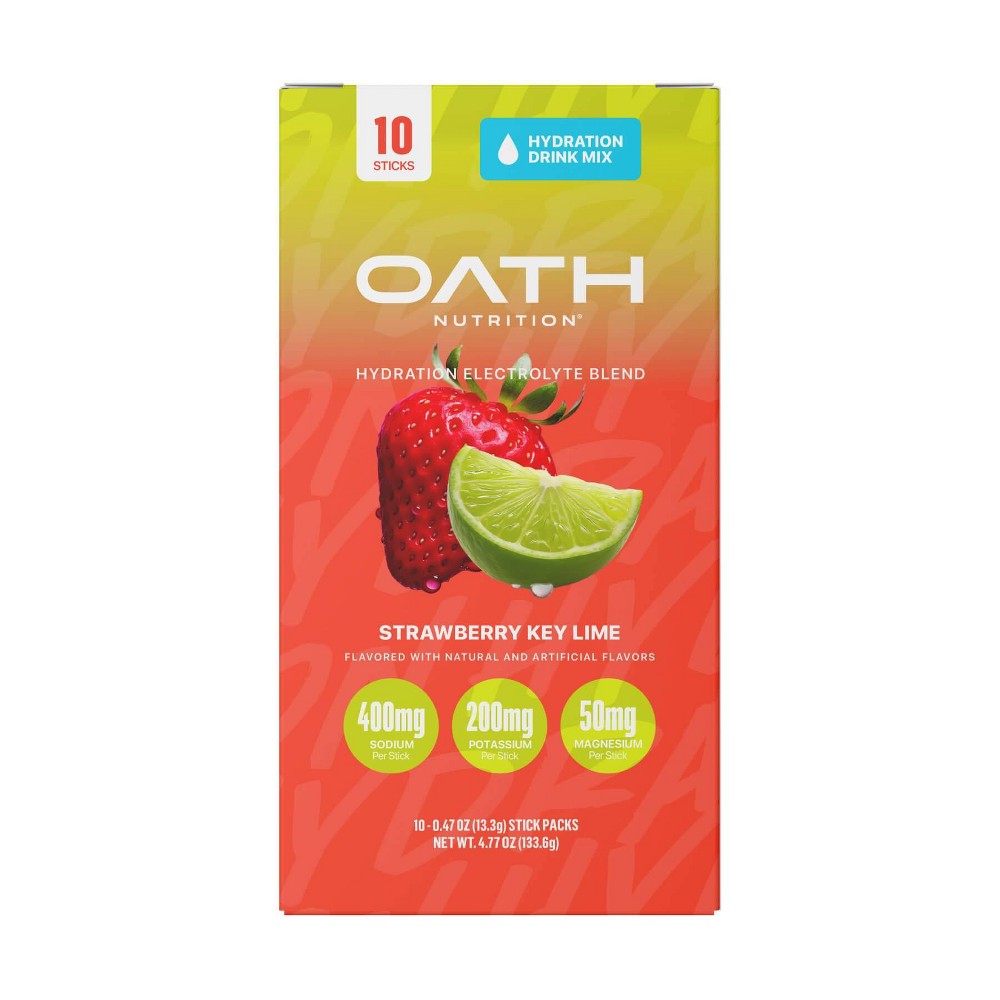

Oath Nutrition 10pk Hydration - Strawberry Key Lime
Analysis updated July 2026 · How Scout scores
At a glance
Summary
This hydration drink contains a significant amount of added sugars, which can contribute to excessive calorie intake and potential health issues. The presence of maltodextrin, a highly processed carbohydrate, further adds to the processing level concerns. Although it includes beneficial magnesium bisglycinate, the use of 'natural flavors' and the overall processing level limit its healthfulness.
Key ingredients 9
Sodium CitrateGood
Beneficial ingredient — whole-food or functional value in this product class.
Benefits
Helps stabilize the product and maintain its desired texture.
Magnesium BisglycinateGood
Magnesium bisglycinate is a highly absorbable form of magnesium, an essential mineral for various bodily functions. It supports muscle and nerve function, bone health, and energy production. This form of magnesium is gentle on the stomach and less likely to cause digestive discomfort.
Benefits
Supports overall health by providing a bioavailable source of magnesium.
Potassium ChlorideGood
Beneficial ingredient — whole-food or functional value in this product class.
Risks
Excessive intake can lead to hyperkalemia, which affects heart function.
Benefits
Provides potassium, which is essential for maintaining electrolyte balance.
Citric AcidNeutral
Citric acid is a natural acid found in citrus fruits and used as a preservative and flavor enhancer. It is generally recognized as safe and is commonly used in food products. It does not provide significant nutritional benefits but helps maintain product stability.
Benefits
Helps preserve the freshness and flavor of the product.
Pink Himalayan SaltNeutral
Pink Himalayan salt is a type of rock salt that contains trace minerals. It is often marketed as a healthier alternative to table salt, but the mineral content is minimal. It is used for flavoring and does not provide significant health benefits over regular salt.
Risks
Excessive salt intake can lead to high blood pressure and cardiovascular issues.
Benefits
Provides trace minerals, but in negligible amounts compared to dietary needs.
SiliconNeutral
Silicon is used as an anti-caking agent to prevent clumping in powdered products. It is generally recognized as safe and does not contribute to nutritional value. Its role is purely functional in maintaining product consistency.
Benefits
Helps maintain the free-flowing nature of powdered products.
Cane SugarBad
Cane sugar is a source of added sugars, which can contribute to excessive calorie intake and potential weight gain. It is highly processed and lacks nutritional benefits. Excessive consumption of added sugars is linked to various health issues, including metabolic syndrome and dental cavities.
Risks
High intake of added sugars can lead to obesity, type 2 diabetes, and heart disease.
MaltodextrinBad
Maltodextrin is a highly processed carbohydrate used as a thickener or filler. It has a high glycemic index, which can cause rapid spikes in blood sugar levels. It is often used in processed foods and lacks nutritional value.
Risks
May cause blood sugar spikes and is not suitable for individuals with diabetes.
Natural FlavorsBad
Natural flavors are complex mixtures created by flavor chemists to enhance taste. They are highly processed and can contain numerous chemical components. The lack of transparency in their composition raises concerns about potential allergens and additives.
Risks
Potential allergens and unknown additives may pose health risks.
Processing
Processed Foods
Get the full breakdown in the Scout appTake Scout shopping
Scan any product to see lab results, healthy alternatives, and your personalized analysis.
Download on theApp Store GET IT ONGoogle Play