



At a glance
Summary
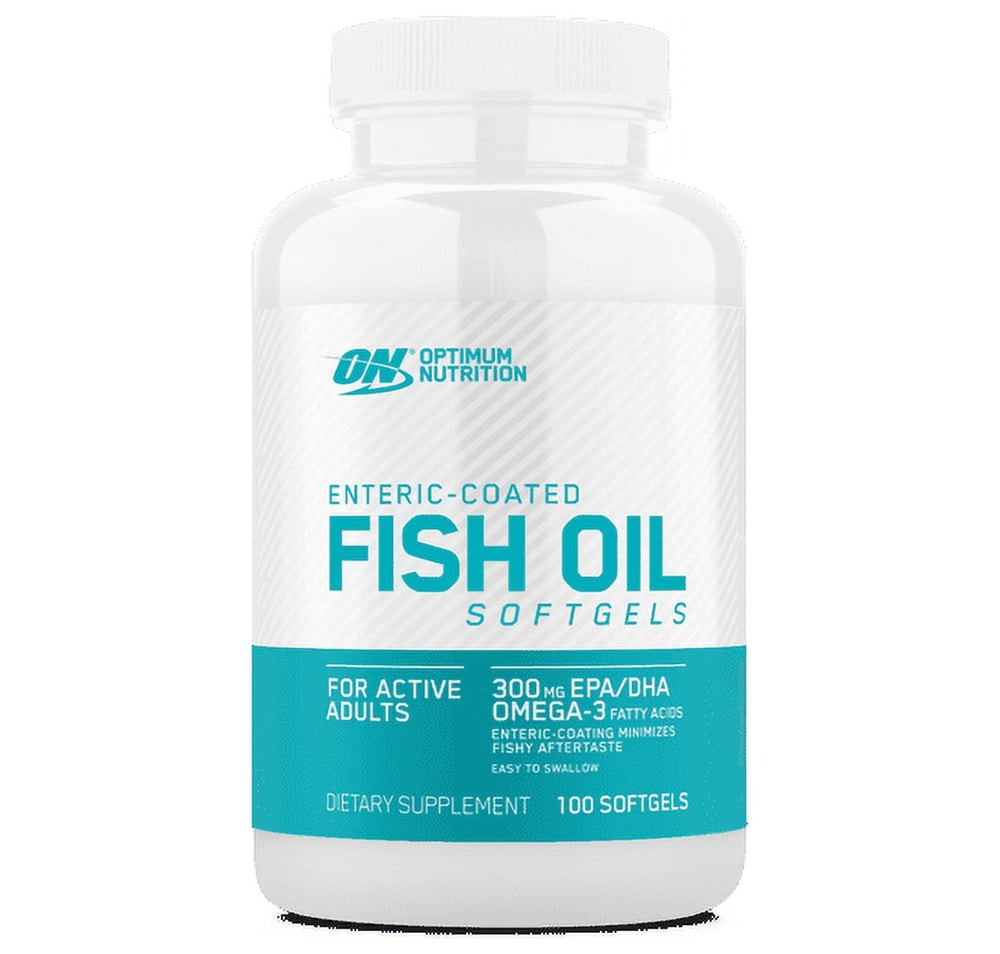
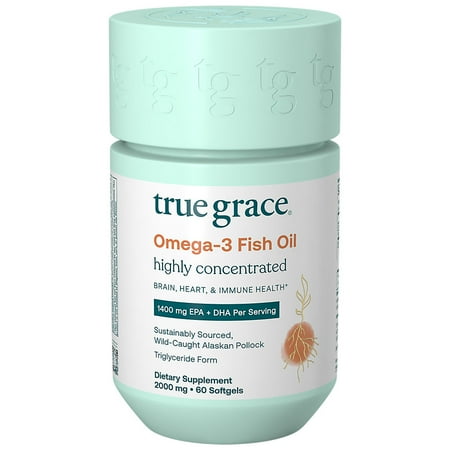
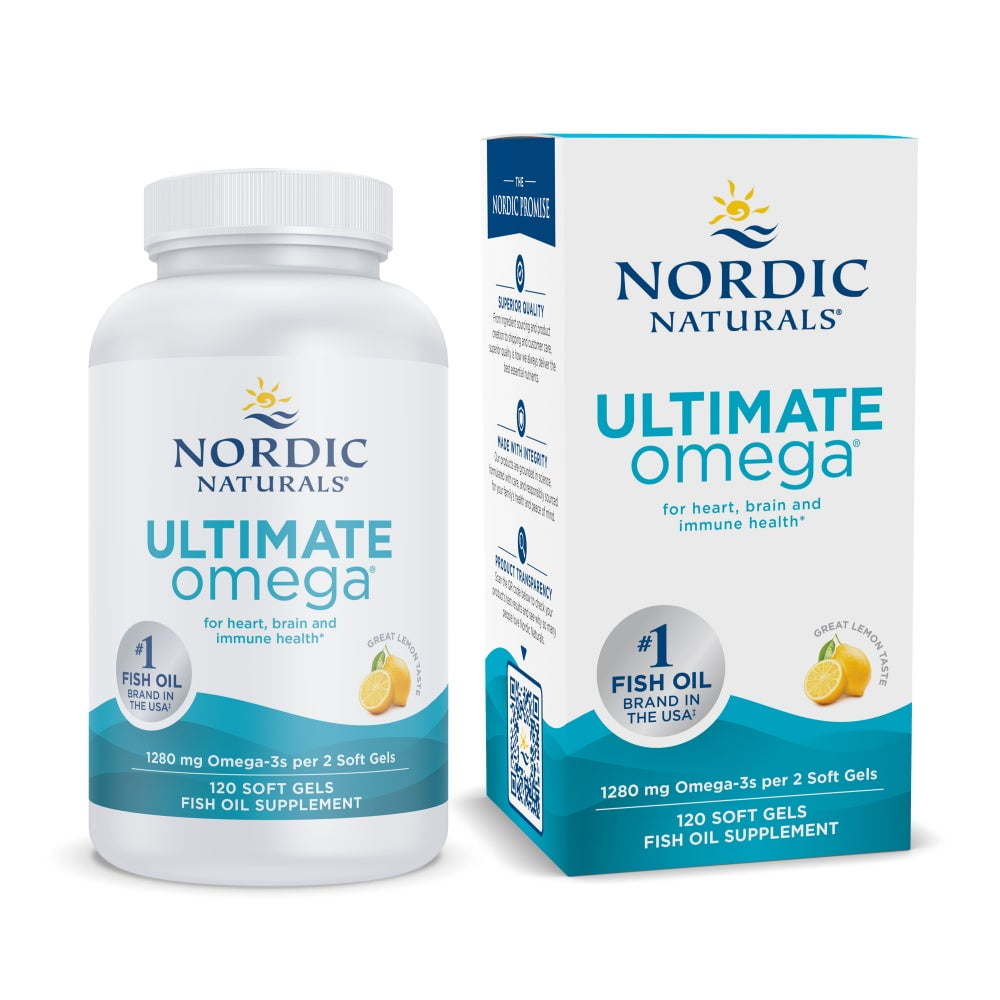
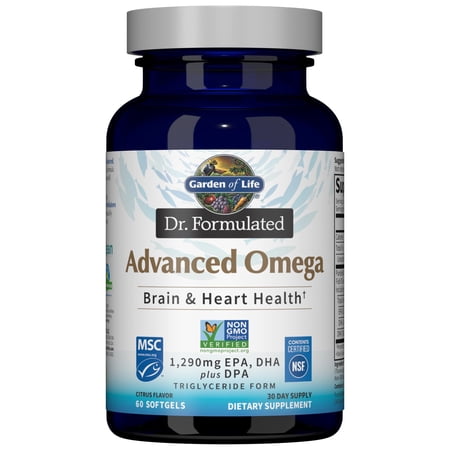
This fish oil supplement contains beneficial ingredients like fish oil and omega-3 fatty acids, which are essential for heart and brain health. However, the presence of natural citrus flavor, which can be a vague term for various processed compounds, slightly detracts from its overall quality. The product also includes several additives, which moderately impact its processing level, but it remains a generally healthy choice for omega-3 supplementation.
Key ingredients 12
Fish OilVery Good
Fish oil is a rich source of omega-3 fatty acids, which are essential for heart and brain health. It is typically derived from fatty fish and is known for its anti-inflammatory properties. High-quality fish oil supplements are often purified to remove contaminants like mercury.
Risks
Potential risks include contamination with heavy metals if not properly purified.
Benefits
Provides essential omega-3 fatty acids that support cardiovascular and cognitive health.
Total Omega 3 Fatty AcidsGood
Total omega-3 fatty acids are crucial for maintaining heart health and reducing inflammation. They are typically extracted from fish oil and are a key component of a healthy diet. Omega-3s are known to support brain function and may reduce the risk of chronic diseases.
Benefits
Supports heart health and reduces inflammation, contributing to overall well-being.
GelatinNeutral
Gelatin is used as a gelling agent in softgel capsules and is derived from animal collagen. It is generally considered safe and is used to encapsulate the active ingredients. The quality of gelatin can vary depending on the source and processing methods.
See more about Gelatin →GlycerinNeutral
Glycerin is a humectant used to maintain moisture in softgel capsules. It is generally recognized as safe and is derived from plant or animal sources. Glycerin helps to keep the capsules pliable and prevents them from drying out.
See more about Glycerin →Food GlazeNeutral
Food glaze is used to provide a shiny coating on capsules and is generally considered safe. It is often derived from natural sources like shellac. The glaze helps to protect the capsule and improve its appearance.
Ethyl CelluloseNeutral
Ethyl cellulose is used as a coating agent and is generally recognized as safe. It is a derivative of cellulose and is used to control the release of active ingredients. Ethyl cellulose is inert and does not react with other ingredients.
Sodium AlginateNeutral
Sodium alginate is a natural thickening agent derived from brown seaweed. It is used to stabilize and thicken the capsule contents. Sodium alginate is generally considered safe and is used in various food and pharmaceutical applications.
See more about Sodium Alginate →WaterNeutral
Water is used as a solvent and is essential for the formation of the softgel capsule. It is a basic component and is necessary for the manufacturing process. Water is safe and does not contribute any additional nutritional value.
See more about Water →GlycerolNeutral
Glycerol is similar to glycerin and is used to maintain moisture in the capsules. It is a safe and common ingredient in food and pharmaceutical products. Glycerol helps to keep the capsules soft and prevents them from becoming brittle.
See more about Glycerol →Methacrylic Acid (Copolymer Dispersion)Neutral
Methacrylic acid copolymer is used as an enteric coating to protect the active ingredients from stomach acid. It ensures that the active ingredients are released in the intestines for better absorption. This ingredient is generally recognized as safe for use in pharmaceuticals.
TriacetinNeutral
Triacetin is used as a plasticizer in the capsule shell to maintain flexibility. It is derived from glycerol and acetic acid and is considered safe for consumption. Triacetin helps to ensure the capsule remains intact and functional.
Natural Citrus FlavorBad
Natural citrus flavor is used to enhance the taste of the product but can be a catch-all term for various compounds. The lack of specificity can be concerning as it may include processed flavoring agents. While derived from natural sources, the processing methods can vary widely.
Risks
Potential risks include allergic reactions or sensitivities to specific flavor compounds.
Processing
Processed Foods
Get the full breakdown in the Scout appTake Scout shopping
Scan any product to see lab results, healthy alternatives, and your personalized analysis.
Download on theApp Store GET IT ONGoogle Play