


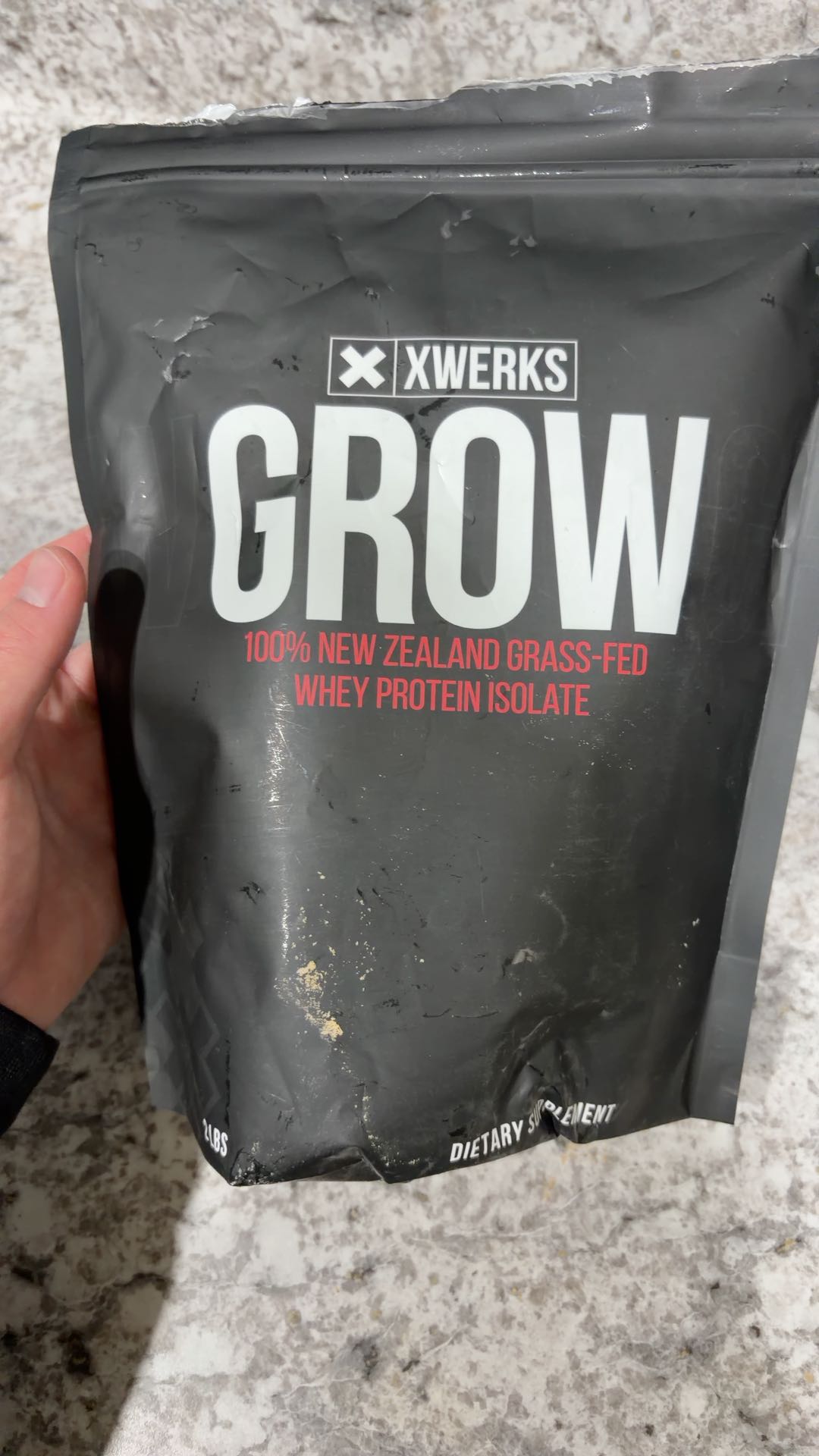
At a glance
Summary
This protein supplement contains high-quality protein sources such as milk protein isolate and whey protein isolate, which are beneficial for muscle repair and growth. However, the inclusion of sunflower oil, a seed oil high in omega-6 fatty acids, and the use of natural flavors, which lack transparency, are notable concerns. The product is moderately processed with a few additives, which affects its overall healthiness score.
Key ingredients 14
Milk Protein IsolateGood
Milk protein isolate is a high-quality protein source rich in essential amino acids. It is derived from milk and provides a complete amino acid profile, beneficial for muscle repair and growth. Compared to plant-based proteins, it offers superior digestibility and bioavailability.
Benefits
Provides a complete amino acid profile essential for muscle repair and growth.
Whey Protein IsolateGood
Whey protein isolate is a highly refined protein source with minimal fat and lactose. It is rich in branched-chain amino acids, supporting muscle recovery and growth. It is considered one of the best protein sources for athletes and bodybuilders.
Benefits
Rich in branched-chain amino acids, supporting muscle recovery and growth.
Sea SaltGood
Beneficial ingredient — whole-food or functional value in this product class.
Risks
Excessive sodium intake can lead to hypertension and cardiovascular issues.
Benefits
Enhances flavor and provides trace minerals.
Monk Fruit ExtractGood
Beneficial ingredient — whole-food or functional value in this product class.
Benefits
Provides sweetness without impacting blood glucose levels.
Nonfat MilkNeutral
Standard formulation ingredient — neither beneficial nor harmful at typical use.
Benefits
Rich in calcium and vitamin D, supporting bone health and muscle maintenance.
Yogurt CulturesNeutral
Yogurt cultures are beneficial bacteria used in the fermentation of milk to produce yogurt. They can aid in digestion and improve gut health. However, in a protein supplement, their impact is minimal compared to whole yogurt products.
Benefits
May aid in digestion and improve gut health.
WaterNeutral
Water is used as a solvent and carrier in food products. It is essential for hydration but does not contribute nutritional value in this context. Its presence is necessary for the consistency and texture of the product.
Benefits
Essential for hydration and product consistency.
ErythritolNeutral
Erythritol is a sugar alcohol used as a low-calorie sweetener. It is well-tolerated by most people and does not raise blood sugar levels. However, excessive consumption may cause digestive discomfort.
Risks
Excessive consumption may cause digestive discomfort such as bloating or diarrhea.
Benefits
Provides sweetness without raising blood sugar levels.
Cocoa Processed With AlkaliNeutral
Cocoa processed with alkali, also known as Dutch-processed cocoa, has a milder flavor and darker color. The alkalization process reduces acidity but may also decrease antioxidant levels. It is primarily used for flavor and color in food products.
Risks
Alkalization may reduce the antioxidant content of cocoa.
Benefits
Provides flavor and color to food products.
Cellulose GelNeutral
Cellulose gel is a plant-derived thickener and stabilizer used to improve texture. It is considered safe and is not absorbed by the body, passing through the digestive system unchanged. It adds bulk without calories.
Benefits
Improves texture and adds bulk without calories.
Cellulose GumNeutral
Cellulose gum is a thickening agent derived from plant fibers. It is used to stabilize and thicken food products, contributing to a smooth texture. It is generally recognized as safe and non-digestible.
Benefits
Contributes to a smooth texture and stability in food products.
Stevia Leaf ExtractNeutral
Stevia leaf extract is a natural, zero-calorie sweetener derived from the stevia plant. It does not affect blood sugar levels and is considered safe for most people. It is a popular alternative to artificial sweeteners.
Benefits
Provides sweetness without affecting blood sugar levels.
Natural FlavorsBad
Natural flavors are a catch-all term for flavoring agents derived from natural sources. They lack transparency and can include a wide range of substances. Their use is often criticized for masking the true quality of the product.
Risks
Lack of transparency in ingredient composition may pose unknown health risks.
Sunflower OilVery Bad
Sunflower oil is a seed oil high in omega-6 fatty acids, which can promote inflammation when consumed in excess. It is heavily processed and often refined, which can degrade its nutritional quality. Its inclusion in processed foods is generally discouraged.
Risks
High omega-6 content may promote inflammation when consumed in excess.
Processing
Ultra-Processed Foods
Get the full breakdown in the Scout appTake Scout shopping
Scan any product to see lab results, healthy alternatives, and your personalized analysis.
Download on theApp Store GET IT ONGoogle Play