


At a glance
Summary
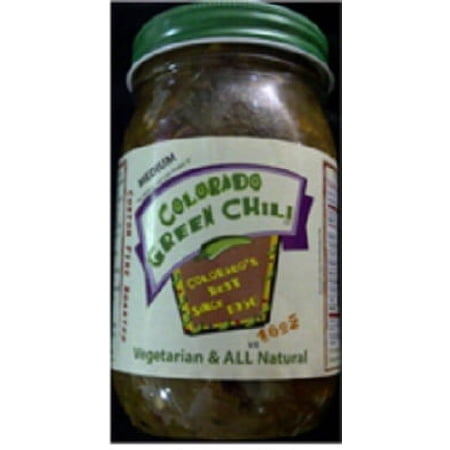
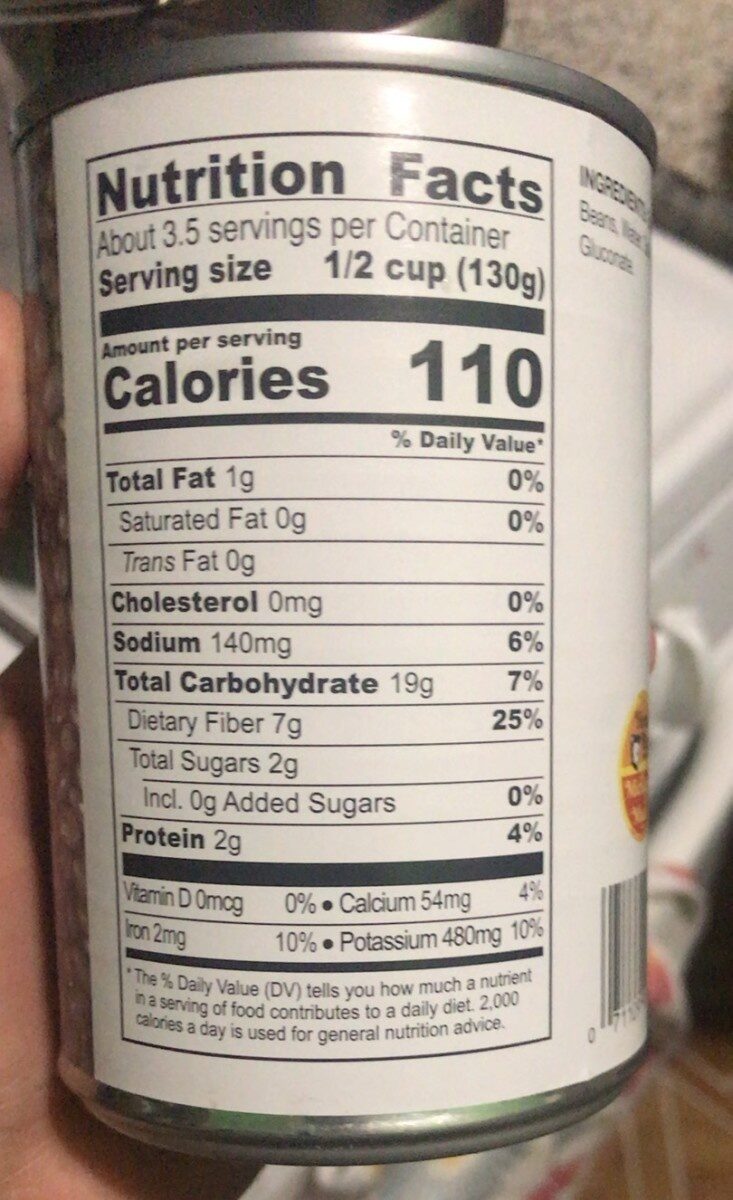
This product contains beneficial ingredients like red chili, turnip, carrot, and garlic, which provide nutrients and potential health benefits. However, it is processed and includes refined sugar, which contributes to its high caloric content and potential health risks. The presence of additives such as modified corn starch and xanthan gum further impacts its processing level, limiting its overall healthiness.
Key ingredients 10
Red ChiliGood
Red chili is a natural spice that adds flavor and heat to dishes. It contains capsaicin, which may have metabolism-boosting and anti-inflammatory properties. Its vibrant color indicates the presence of beneficial antioxidants.
Risks
May cause irritation or discomfort in sensitive individuals or when consumed in large amounts.
Benefits
Rich in antioxidants and capsaicin, which may support metabolism and reduce inflammation.
TurnipGood
Turnip is a root vegetable that provides dietary fiber and essential nutrients. It is low in calories and can support digestive health. Its inclusion in the diet may contribute to a balanced intake of vitamins and minerals.
Benefits
Provides fiber and essential nutrients, supporting digestive health and overall nutrition.
CarrotGood
Carrot is a nutrient-rich vegetable high in beta-carotene, which the body converts to vitamin A. It supports eye health and immune function. Carrots also provide dietary fiber, contributing to digestive health.
Benefits
Rich in beta-carotene and fiber, supporting eye health and digestion.
GarlicGood
Garlic is a flavorful herb known for its potential health benefits, including antimicrobial and cardiovascular effects. It contains allicin, which may help reduce cholesterol levels and improve heart health. Its use in cooking adds both flavor and potential health benefits.
Risks
May cause digestive discomfort in some individuals when consumed in large amounts.
Benefits
Contains allicin, which may support heart health and provide antimicrobial benefits.
WaterNeutral
Water is a neutral ingredient used as a solvent and carrier in food products. It does not contribute calories or nutrients but is essential for hydration. Its inclusion in foods helps maintain moisture and texture.
Benefits
Essential for hydration and maintaining bodily functions.
SaltNeutral
Salt is a common seasoning used to enhance flavor in foods. It is essential for maintaining fluid balance and nerve function. However, excessive intake can lead to health issues such as hypertension.
Risks
High sodium intake is associated with increased risk of hypertension and cardiovascular disease.
Benefits
Essential for fluid balance and nerve function when consumed in moderation.
Thickener (Modified Corn Starch)Neutral
Modified corn starch is used as a thickening agent in food products. It is derived from corn and undergoes processing to enhance its functional properties. While it provides no significant nutritional benefits, it helps improve texture and stability in foods.
Benefits
Improves texture and stability in food products.
Stabilizer (Xanthan Gum)Neutral
Xanthan gum is a polysaccharide used as a stabilizer and thickener in foods. It is produced through fermentation and helps maintain consistency and texture. While it is generally considered safe, it provides no nutritional benefits.
Risks
May cause digestive issues in sensitive individuals when consumed in large amounts.
Benefits
Helps maintain consistency and texture in food products.
Acidity Regulator (Acetic Acid)Neutral
Acetic acid is used as an acidity regulator to enhance flavor and preserve food. It is the main component of vinegar and is generally recognized as safe. While it provides no nutritional benefits, it helps maintain the desired acidity in foods.
Benefits
Enhances flavor and acts as a preservative by maintaining acidity.
SugarBad
Refined sugar is a high-calorie ingredient with no essential nutrients. It can contribute to weight gain and increase the risk of chronic diseases when consumed in excess. Its presence in processed foods is often linked to higher caloric intake.
Risks
Excessive consumption of sugar can lead to obesity, type 2 diabetes, and heart disease.
Processing
Processed Foods
Get the full breakdown in the Scout appTake Scout shopping
Scan any product to see lab results, healthy alternatives, and your personalized analysis.
Download on theApp Store GET IT ONGoogle Play