




At a glance
Summary
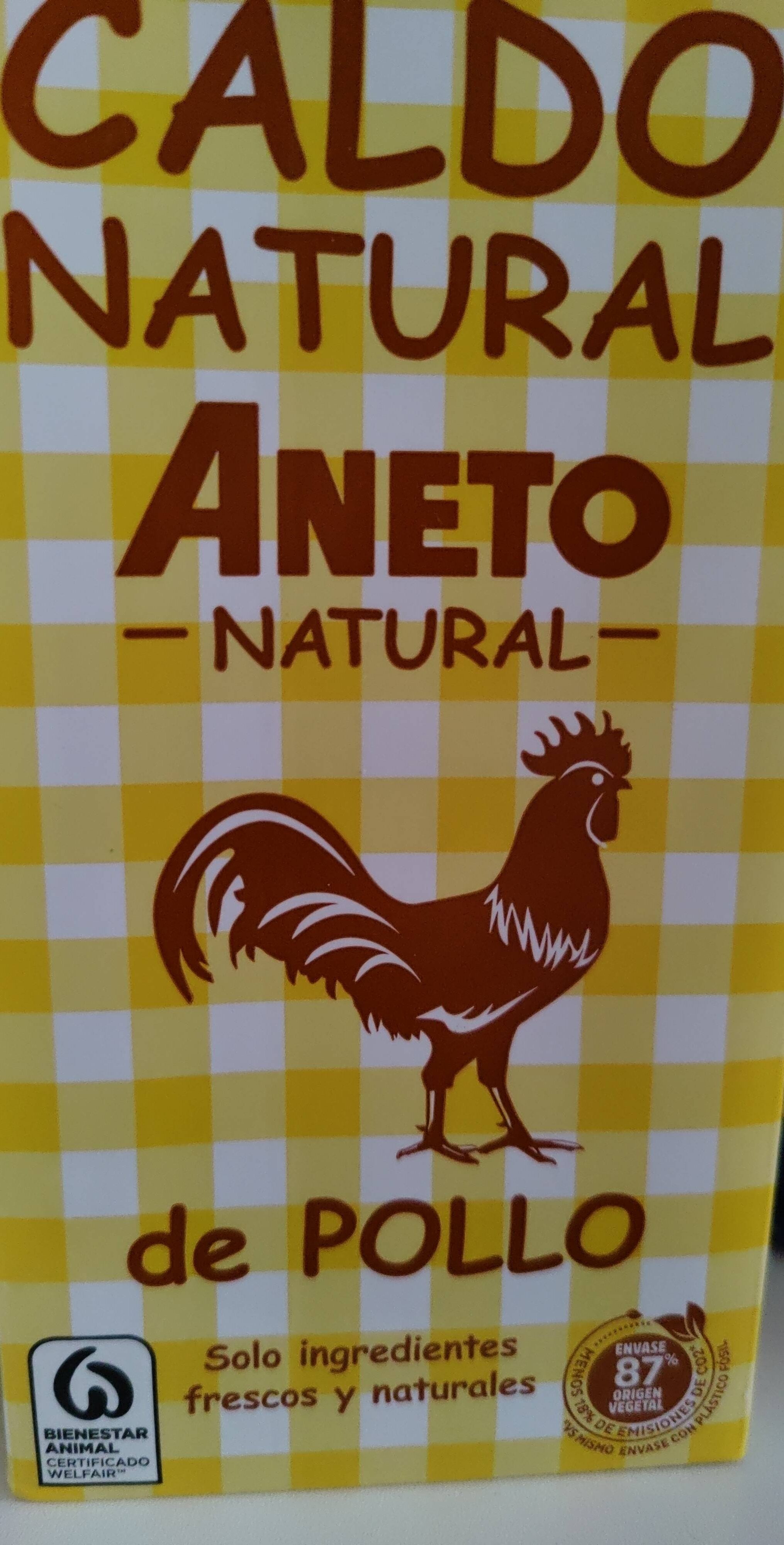
This chicken broth is moderately processed and contains a mix of beneficial and less desirable ingredients. While chicken stock and sea salt provide some nutritional benefits, the presence of added sugar and natural flavor detracts from its overall healthiness. The processing level and inclusion of these additives prevent it from achieving a higher score.
Key ingredients 8
Chicken stockGood
Chicken stock is a source of protein and nutrients derived from simmering chicken bones and meat. It provides essential amino acids and minerals that support overall health. The quality of the stock depends on the ingredients used and the cooking process.
Benefits
Rich in collagen and minerals that support joint health and digestion. Provides a savory flavor base for soups and stews.
Sea saltGood
Sea salt is a minimally processed salt that retains trace minerals. It is often considered a healthier alternative to refined table salt. The presence of minerals like magnesium and potassium can offer additional health benefits.
Benefits
Provides trace minerals that support overall health and enhance flavor.
SaltNeutral
Salt is used as a seasoning and preservative in foods. It is essential for maintaining fluid balance and nerve function. However, excessive consumption can lead to health issues such as hypertension.
Risks
High sodium intake may increase the risk of hypertension and cardiovascular diseases.
Benefits
Essential for maintaining electrolyte balance and proper muscle function.
Carrot powderNeutral
Carrot powder is made from dehydrated carrots and retains some of the vegetable's nutrients. It is used for flavor and color in food products. While it provides some vitamins and fiber, the processing reduces its nutritional content compared to fresh carrots.
Benefits
Provides a natural source of color and some vitamins, such as beta-carotene.
Onion powderNeutral
Onion powder is made from dehydrated onions and is used for flavoring. It retains some of the nutritional benefits of fresh onions, such as antioxidants. However, the drying process reduces its overall nutrient content.
Benefits
Adds flavor and contains some antioxidants that may support health.
SugarBad
Sugar is a refined carbohydrate that provides quick energy but lacks essential nutrients. Excessive consumption can lead to weight gain and metabolic disorders. It is often added to enhance flavor but should be consumed in moderation.
Risks
High intake can contribute to obesity, type 2 diabetes, and dental cavities.
Benefits
Provides a quick source of energy but should be limited in a balanced diet.
Yeast extractBad
Concentrated glutamate source — MSG-adjacent flavor enhancer.
Risks
May contain naturally occurring glutamates, which can be a concern for individuals sensitive to MSG.
Benefits
Enhances flavor and provides some B vitamins, contributing to the savory profile of foods.
Natural flavorBad
Natural flavor is a catch-all term for flavoring agents derived from natural sources. The lack of transparency about specific ingredients can be concerning. It is often used to enhance taste without providing nutritional benefits.
Risks
Potential allergen risk due to undisclosed ingredients and lack of transparency.
Benefits
Enhances the taste of food products without adding calories.
Processing
Processed Foods
Get the full breakdown in the Scout appTake Scout shopping
Scan any product to see lab results, healthy alternatives, and your personalized analysis.
Download on theApp Store GET IT ONGoogle Play