

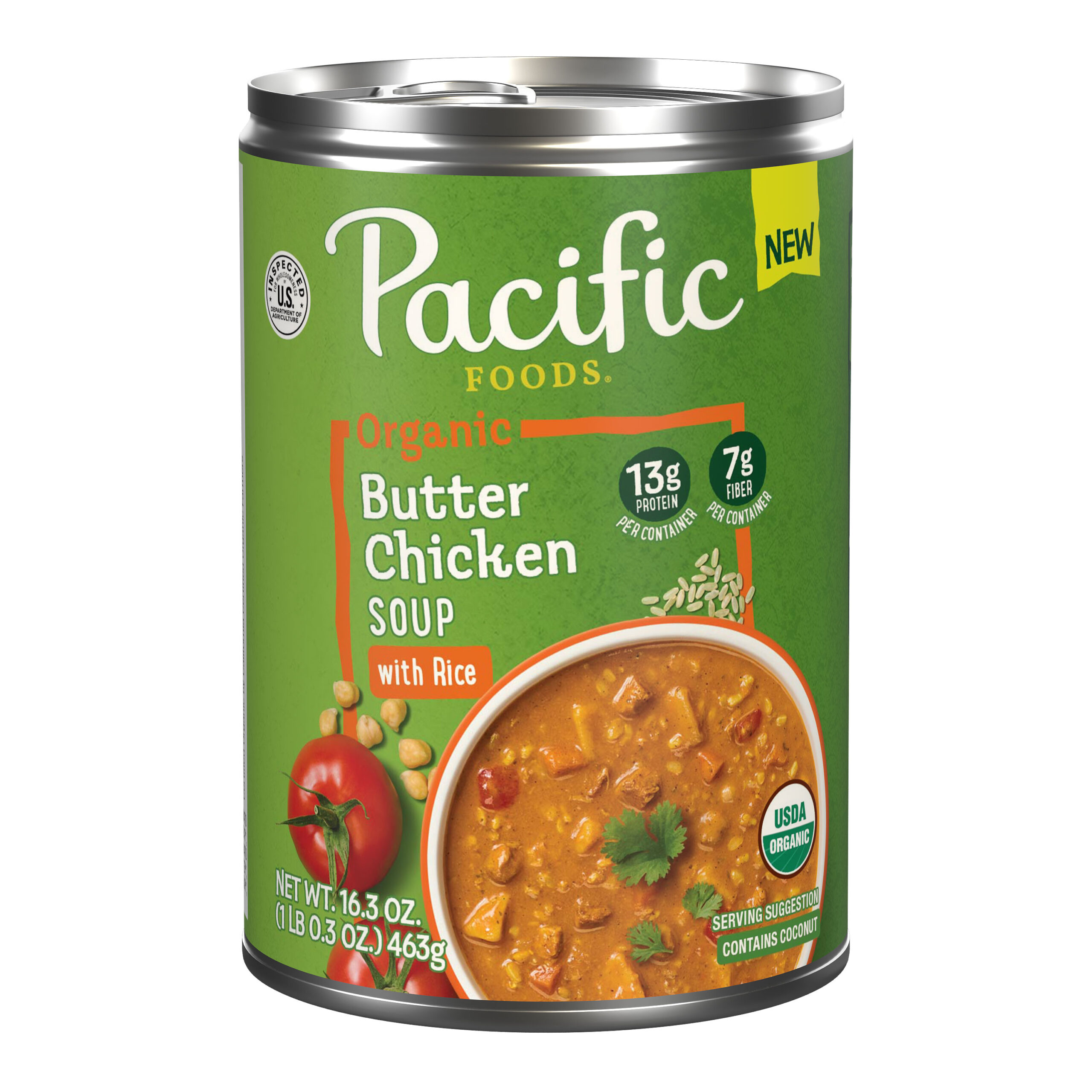


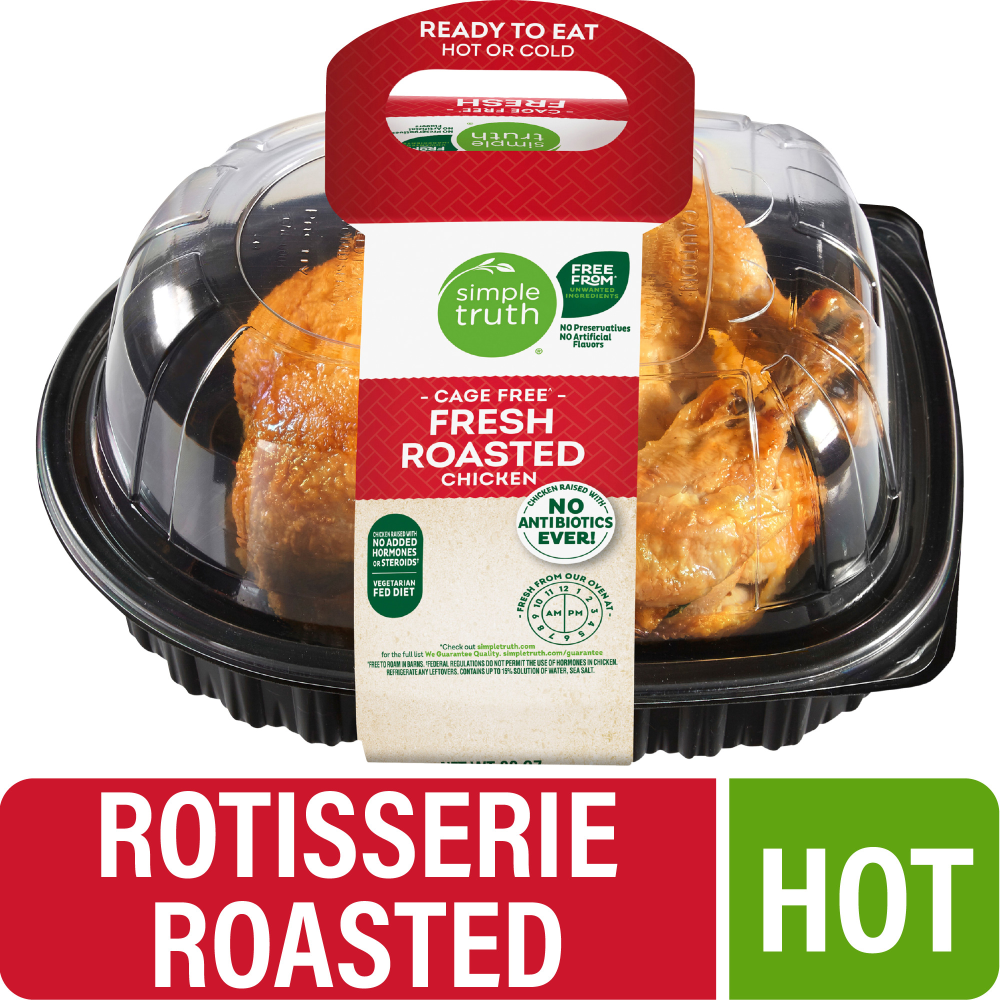
Curry Bowl Butter Chicken
Analysis updated September 2026 · How Scout scores
At a glance
Summary
This product contains beneficial ingredients like boneless skinless white chicken and basmati rice, which provide quality protein and carbohydrates. However, it is heavily processed, with additives such as xanthan gum and refined cane sugar, which contribute to its ultra-processed nature. The presence of these additives and the processing level limit its healthiness despite some nutritious components.
Key ingredients 8
Boneless skinless white chickenGood
A high-quality source of lean protein, providing essential amino acids for muscle repair and growth. The absence of skin reduces fat content, making it a healthier option. Compared to plant-based proteins, it offers a more complete amino acid profile.
Benefits
Rich in protein, supporting muscle health and satiety. Low in fat, making it suitable for various dietary needs.
Basmati riceGood
A long-grain rice known for its aromatic flavor and lower glycemic index compared to other rice varieties. It provides carbohydrates for energy and is less processed than many other grains. When compared to refined grains, it retains more nutrients.
Benefits
Provides energy and essential nutrients like B vitamins and minerals.
TurmericGood
A spice with anti-inflammatory and antioxidant properties due to its active compound, curcumin. It is minimally processed and used in traditional medicine. Compared to other spices, it offers unique health benefits.
Benefits
May reduce inflammation and support joint health. Contains antioxidants that protect against cellular damage.
ButterNeutral
A source of saturated fat, which can be part of a balanced diet in moderation. Provides flavor and texture to dishes. Grass-fed butter would be preferable for higher omega-3 content.
Risks
Excessive consumption of saturated fats may contribute to heart disease.
Benefits
Contains fat-soluble vitamins like A, D, E, and K, which are beneficial in small amounts.
Corn starchNeutral
A common thickening agent used in cooking and baking. It is highly processed and provides no significant nutrients. Compared to whole grains, it lacks fiber and micronutrients.
See more about Corn starch →Xanthan gumNeutral
Fermentation-derived thickener, well tolerated at food-use levels.
Risks
May cause digestive discomfort such as bloating and gas in some individuals.
Baking sodaNeutral
A leavening agent used to help baked goods rise. It is chemically processed but generally recognized as safe in small quantities. Compared to other leavening agents, it is effective and widely used.
Risks
Excessive consumption can lead to alkalosis, but this is rare in typical food use.
Cane sugarBad
Refined sugar that contributes to calorie intake without providing essential nutrients. High consumption is linked to obesity and metabolic disorders. Unlike natural sugars, it lacks beneficial nutrients.
Risks
May lead to weight gain and increased risk of type 2 diabetes when consumed in excess.
Processing
Ultra-Processed Foods
Get the full breakdown in the Scout appTake Scout shopping
Scan any product to see lab results, healthy alternatives, and your personalized analysis.
Download on theApp Store GET IT ONGoogle Play