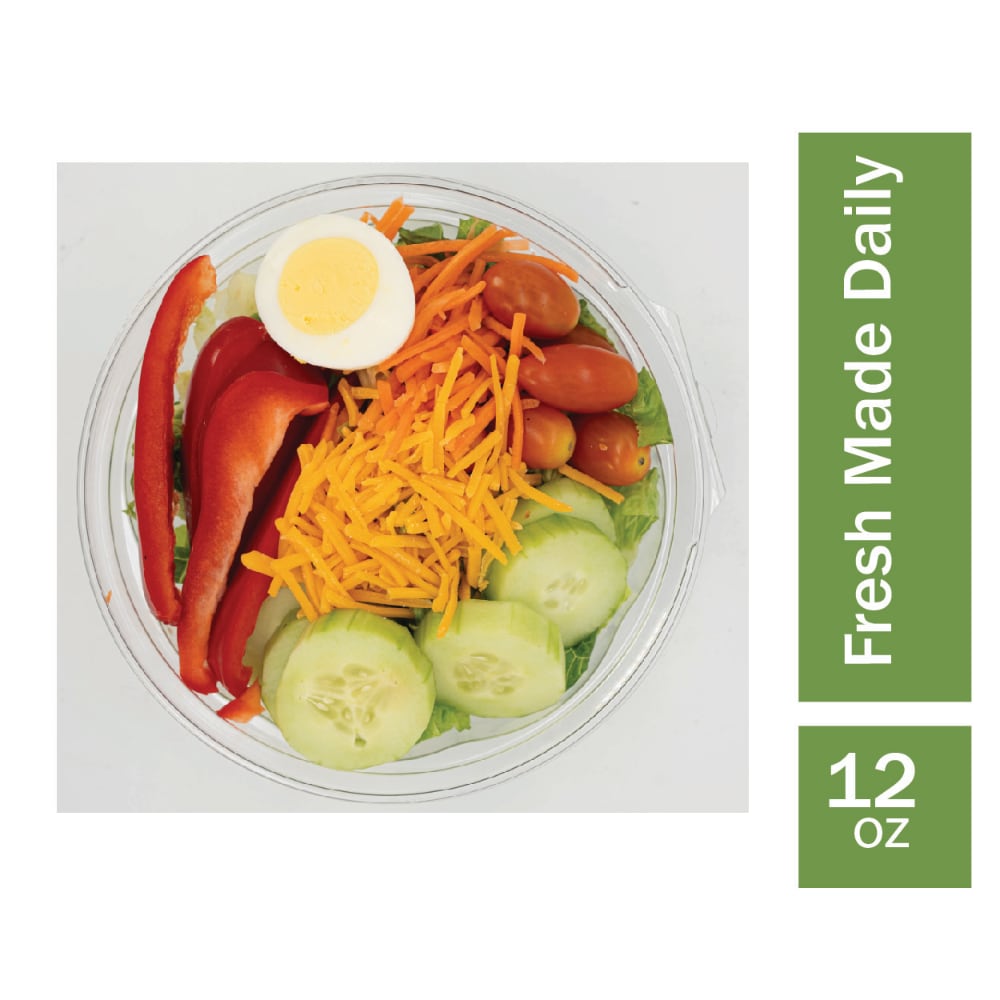
7 Grain Salad

At a glance
Summary
The 7 Grain Salad contains a variety of minimally processed whole grains and vegetables, which are beneficial for providing fiber, protein, and essential nutrients. However, the presence of canola oil, a heavily processed seed oil, significantly impacts the health score due to its high omega-6 fatty acid content and potential inflammatory effects. Additionally, the product's processing level limits its maximum potential score.
Key ingredients 17
Red lentilGood
Red lentils are a good source of plant-based protein and fiber. They are minimally processed and provide essential nutrients like iron and folate. Their low glycemic index helps in maintaining stable blood sugar levels.
Benefits
Rich in protein and fiber, supporting digestive health and providing essential nutrients like iron and folate.
WheatberryGood
Wheatberries are whole grains that provide fiber, protein, and essential vitamins and minerals. They are minimally processed, retaining their nutrient-rich bran and germ. Their consumption supports heart health and digestion.
Risks
Contains gluten, which may be a concern for individuals with celiac disease or gluten sensitivity.
Benefits
Provides fiber and essential nutrients, supporting heart health and digestion.
Moong beanGood
Moong beans are a good source of plant-based protein and fiber. They are minimally processed and rich in vitamins and minerals. Their consumption supports heart health and digestion.
Benefits
Rich in protein and fiber, supporting heart health and digestion.
Green onionGood
Green onions are low in calories and provide vitamins A and C. They are minimally processed and add flavor and nutrients to dishes. Their antioxidant properties support immune health.
Benefits
Provides vitamins A and C, supporting immune health and adding flavor to dishes.
Navy beanGood
Navy beans are a good source of plant-based protein and fiber. They are minimally processed and provide essential nutrients like folate and magnesium. Their consumption supports heart health and digestion.
Benefits
Rich in protein and fiber, supporting heart health and digestion.
OnionGood
Onions are low in calories and provide vitamins and antioxidants. They are minimally processed and add flavor and nutrients to dishes. Their antioxidant properties support immune health.
Benefits
Provides vitamins and antioxidants, supporting immune health and adding flavor to dishes.
Red pepperGood
Red peppers are rich in vitamins A and C and antioxidants. They are minimally processed and add color and nutrients to dishes. Their antioxidant properties support immune health.
Benefits
Rich in vitamins A and C, supporting immune health and adding color to dishes.
Sea saltGood
Sea salt is a minimally processed source of sodium and trace minerals. It enhances flavor and provides essential electrolytes. Its trace minerals may offer additional health benefits compared to refined salt.
Risks
Excessive sodium intake may contribute to increased blood pressure.
Benefits
Provides essential electrolytes and trace minerals, enhancing flavor and supporting hydration.
SpicesGood
Spices are natural flavor enhancers that provide antioxidants and anti-inflammatory compounds. They are minimally processed and add depth and complexity to dishes. Their consumption supports overall health and wellness.
Benefits
Provides antioxidants and anti-inflammatory compounds, enhancing flavor and supporting health.
RiceNeutral
Rice is a staple carbohydrate source that provides energy. It is minimally processed when consumed as whole grain. White rice is more processed and has fewer nutrients compared to brown rice.
Risks
White rice has a higher glycemic index, which may affect blood sugar levels.
Benefits
Provides a source of carbohydrates for energy.
CouscousNeutral
Couscous is a processed grain product made from durum wheat semolina. It provides carbohydrates and some protein. It is less nutrient-dense compared to whole grains.
Risks
Contains gluten, which may be a concern for individuals with celiac disease or gluten sensitivity.
Benefits
Provides carbohydrates and some protein, contributing to energy intake.
Pearled barleyNeutral
Pearled barley is a processed form of barley with the outer husk removed. It provides fiber and some vitamins and minerals. It is less nutrient-dense compared to whole barley.
Risks
Contains gluten, which may be a concern for individuals with celiac disease or gluten sensitivity.
Benefits
Provides fiber and some vitamins and minerals, supporting digestive health.
Soy sauceNeutral
Soy sauce is a fermented condiment that adds umami flavor to dishes. It is processed and contains sodium, which should be consumed in moderation. It provides some amino acids and antioxidants.
Risks
High sodium content may contribute to increased blood pressure if consumed in excess.
Benefits
Adds umami flavor and provides some amino acids and antioxidants.
White vinegarNeutral
White vinegar is a fermented product used as a condiment and preservative. It is minimally processed and adds acidity to dishes. It has no significant nutritional value.
Benefits
Adds acidity to dishes and acts as a preservative.
HoneyNeutral
Honey is a natural sweetener that provides carbohydrates and some antioxidants. It is minimally processed and adds sweetness to dishes. It should be consumed in moderation due to its sugar content.
Risks
High sugar content may contribute to increased blood sugar levels if consumed in excess.
Benefits
Provides natural sweetness and some antioxidants.
Citric acidNeutral
Citric acid is a natural preservative and flavor enhancer. It is used to add acidity and preserve freshness in foods. It is generally recognized as safe when consumed in moderation.
Benefits
Acts as a preservative and flavor enhancer, adding acidity and preserving freshness.
Canola oilVery Bad
Canola oil is a seed oil high in omega-6 fatty acids, which may promote inflammation. It is heavily processed and often refined using chemical solvents. Its high omega-6 content is a concern when consumed in excess.
Risks
High omega-6 content may promote inflammation when consumed in excess.
Processing
Processed Foods
Get the full breakdown in the Scout appTake Scout shopping
Scan any product to see lab results, healthy alternatives, and your personalized analysis.
Are you Summer Fresh? Fix an error Get the badge Get tested