
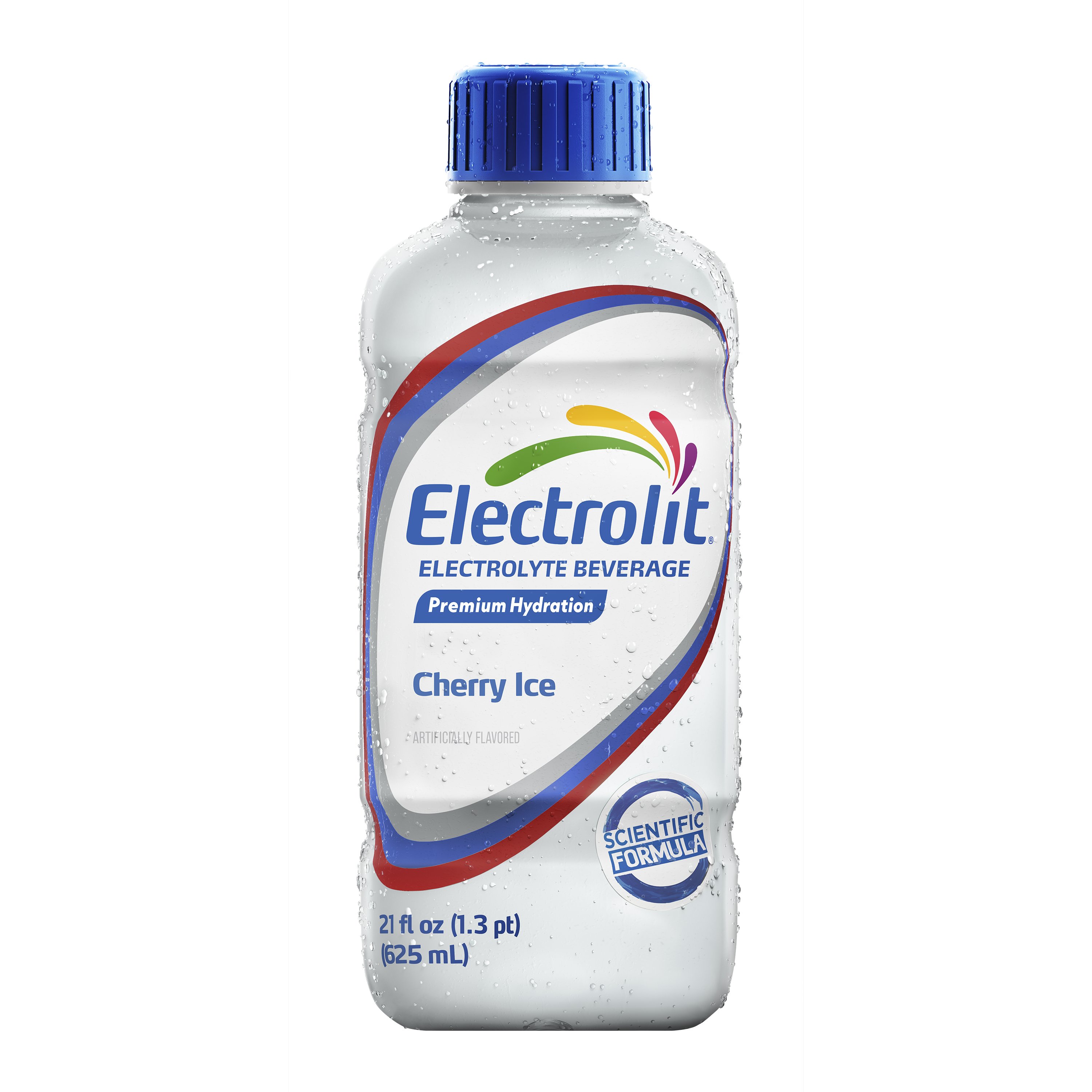




Cherry Ice
Analysis updated June 2026 · How Scout scores
At a glance
Summary
This product is ultra-processed, which limits its potential health score. It contains natural flavors, which are often highly processed and lack transparency, potentially including undisclosed additives. Despite having a relatively simple ingredient list and low sugar content, the processing level and presence of natural flavors contribute to a moderate score.
Key ingredients 8
WaterNeutral
Water is a common base in many beverages, providing hydration without added calories or sugars.
See more about Water →Sodium LactateNeutral
Sodium Lactate helps maintain the product's pH and preserves freshness without significant health concerns.
See more about Sodium Lactate →Natural Black Cherry FlavorNeutral
This flavoring provides a cherry taste using natural extracts, enhancing the product's appeal without added health risks.
Citric AcidNeutral
Citric Acid is commonly used to add tartness and preserve freshness in beverages, with minimal health impact.
See more about Citric Acid →Potassium ChlorideNeutral
Potassium Chloride helps balance electrolytes and is generally safe in small amounts in food products.
See more about Potassium Chloride →Magnesium ChlorideNeutral
Magnesium Chloride is used to provide magnesium and preserve the product, with no significant health concerns at typical levels.
See more about Magnesium Chloride →Calcium ChlorideNeutral
Calcium Chloride helps maintain texture and stability, and is safe for consumption in small quantities.
See more about Calcium Chloride →Dextrose MonohydrateBad
Dextrose Monohydrate is a form of sugar that can contribute to increased calorie intake and blood sugar spikes.
See more about Dextrose Monohydrate →Processing
Ultra-Processed Foods
Get the full breakdown in the Scout appTake Scout shopping
Scan any product to see lab results, healthy alternatives, and your personalized analysis.
Download on theApp Store GET IT ONGoogle PlayAmazon pricing & content
Amazon price as of . Product prices and availability are accurate as of the date/time indicated and are subject to change. Any price and availability information displayed on Amazon.com at the time of purchase will apply to the purchase of this product.
CERTAIN CONTENT THAT APPEARS ON THIS SITE COMES FROM AMAZON. THIS CONTENT IS PROVIDED “AS IS” AND IS SUBJECT TO CHANGE OR REMOVAL AT ANY TIME.