
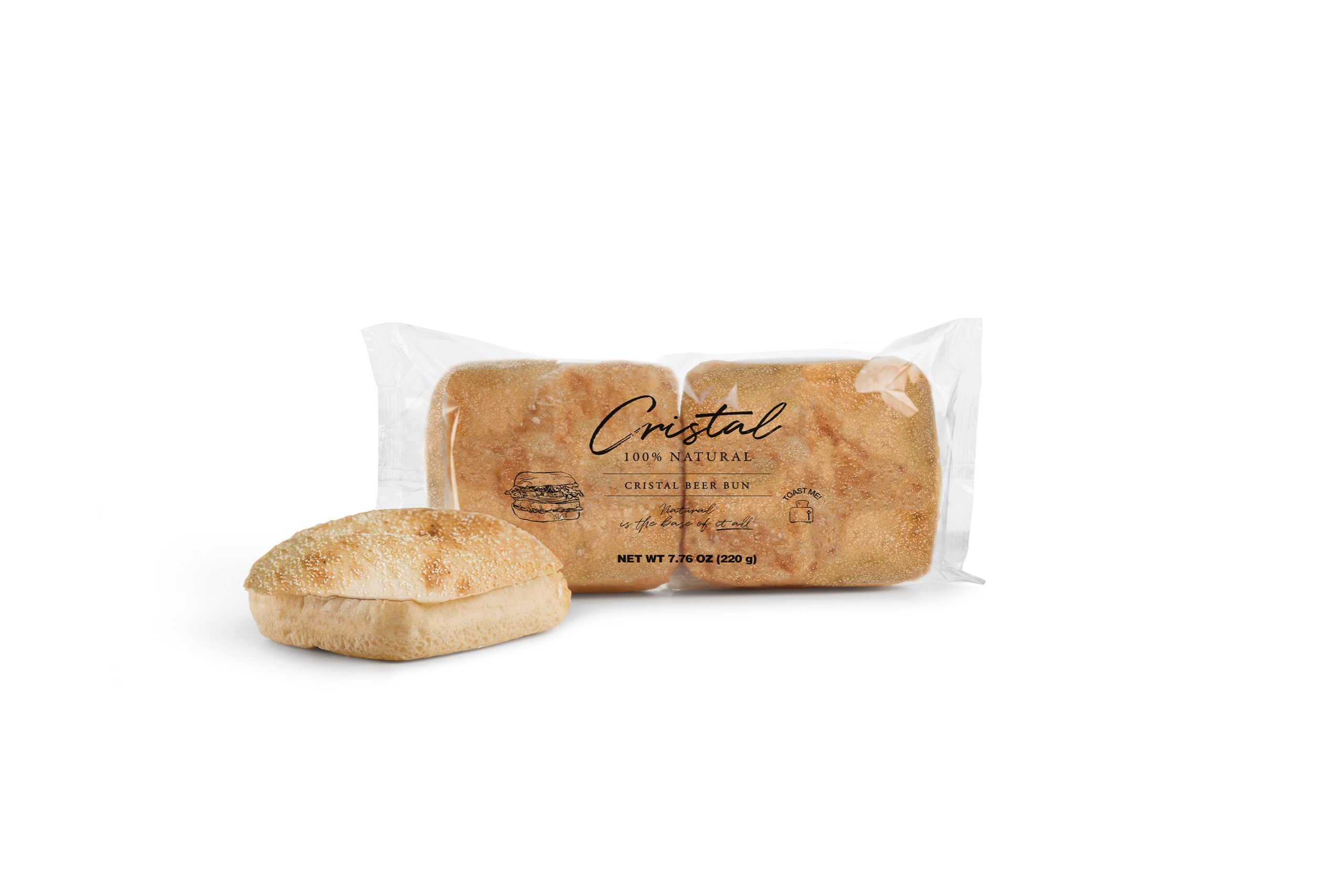


At a glance
Summary
The artisanal ciabatta buns are made with enriched unbleached wheat flour and include beneficial ingredients like barley flour, olive oil, and sourdough, which enhance the nutritional profile. However, the use of enriched flour and the product's processing level limit its score. The absence of harmful additives and the inclusion of high-quality ingredients like olive oil contribute positively to its rating.
Key ingredients 10
Olive OilVery Good
Olive oil is a high-quality monounsaturated fat known for its heart health benefits. It contains antioxidants that support cardiovascular health and reduce inflammation. Its use in bread enhances flavor and nutritional value compared to seed oils.
Benefits
Rich in monounsaturated fats and antioxidants, supporting heart health and reducing inflammation.
Barley FlourGood
Barley flour is a whole grain flour that adds fiber and nutrients to baked goods. It contains beta-glucans, which are beneficial for heart health and can help regulate blood sugar levels. Its inclusion enhances the nutritional profile of the bread compared to using only refined flours.
Risks
Contains gluten, which may not be suitable for individuals with celiac disease or gluten sensitivity.
Benefits
Rich in dietary fiber and beta-glucans, promoting heart health and aiding in blood sugar regulation.
NiacinGood
Beneficial ingredient — whole-food or functional value in this product class.
Benefits
Supports energy metabolism and overall health as part of the B-vitamin complex.
RiboflavinGood
Essential B vitamin — beneficial micronutrient.
Benefits
Contributes to energy production and overall cellular health.
SourdoughGood
Sourdough is a natural leavening agent that enhances the flavor and digestibility of bread. It involves fermentation, which can increase nutrient availability and reduce phytic acid content. This traditional method improves the nutritional profile and taste of the bread.
Risks
Contains gluten, which may not be suitable for individuals with celiac disease or gluten sensitivity.
Benefits
Improves flavor, digestibility, and nutrient availability through natural fermentation.
Enriched Unbleached Wheat FlourNeutral
Enriched unbleached wheat flour is a common base for bread products, providing structure and texture. It is enriched with vitamins and minerals like niacin and iron to replace nutrients lost during processing. While it lacks the fiber of whole grain flour, it is a staple ingredient in many baked goods.
Risks
May contribute to high blood sugar levels due to its refined nature.
Benefits
Provides essential vitamins and minerals through enrichment, supporting overall nutrition.
Reduced IronNeutral
Reduced iron is added to enriched flours to prevent iron deficiency anemia. It is a common fortification in processed grains to ensure adequate iron intake. While beneficial for preventing deficiencies, it is less bioavailable than heme iron from animal sources.
Risks
Excessive iron intake can lead to toxicity, but this is rare from dietary sources alone.
Benefits
Helps prevent iron deficiency anemia by contributing to daily iron intake.
Thiamine MononitrateNeutral
Thiamine mononitrate is a form of vitamin B1 used to fortify enriched flours. It is essential for carbohydrate metabolism and nerve function. Its inclusion in flour helps prevent thiamine deficiency, especially in diets high in processed grains.
Benefits
Supports energy metabolism and nerve function as part of the B-vitamin complex.
Folic AcidNeutral
Folic acid is a synthetic form of folate used to fortify enriched flours, crucial for DNA synthesis and repair. It is particularly important for pregnant women to prevent neural tube defects. Its fortification in flour helps ensure adequate intake in the general population.
Risks
Excessive intake from supplements can mask vitamin B12 deficiency.
Benefits
Essential for DNA synthesis and repair, and crucial for fetal development during pregnancy.
WaterNeutral
Water is a fundamental ingredient in bread making, hydrating the flour and activating yeast. It is essential for the dough formation and texture of the final product. As a natural and unprocessed ingredient, it poses no health risks.
Benefits
Essential for dough formation and contributes to the texture of baked goods.
Processing
Processed Foods
Get the full breakdown in the Scout appTake Scout shopping
Scan any product to see lab results, healthy alternatives, and your personalized analysis.
Download on theApp Store GET IT ONGoogle Play