
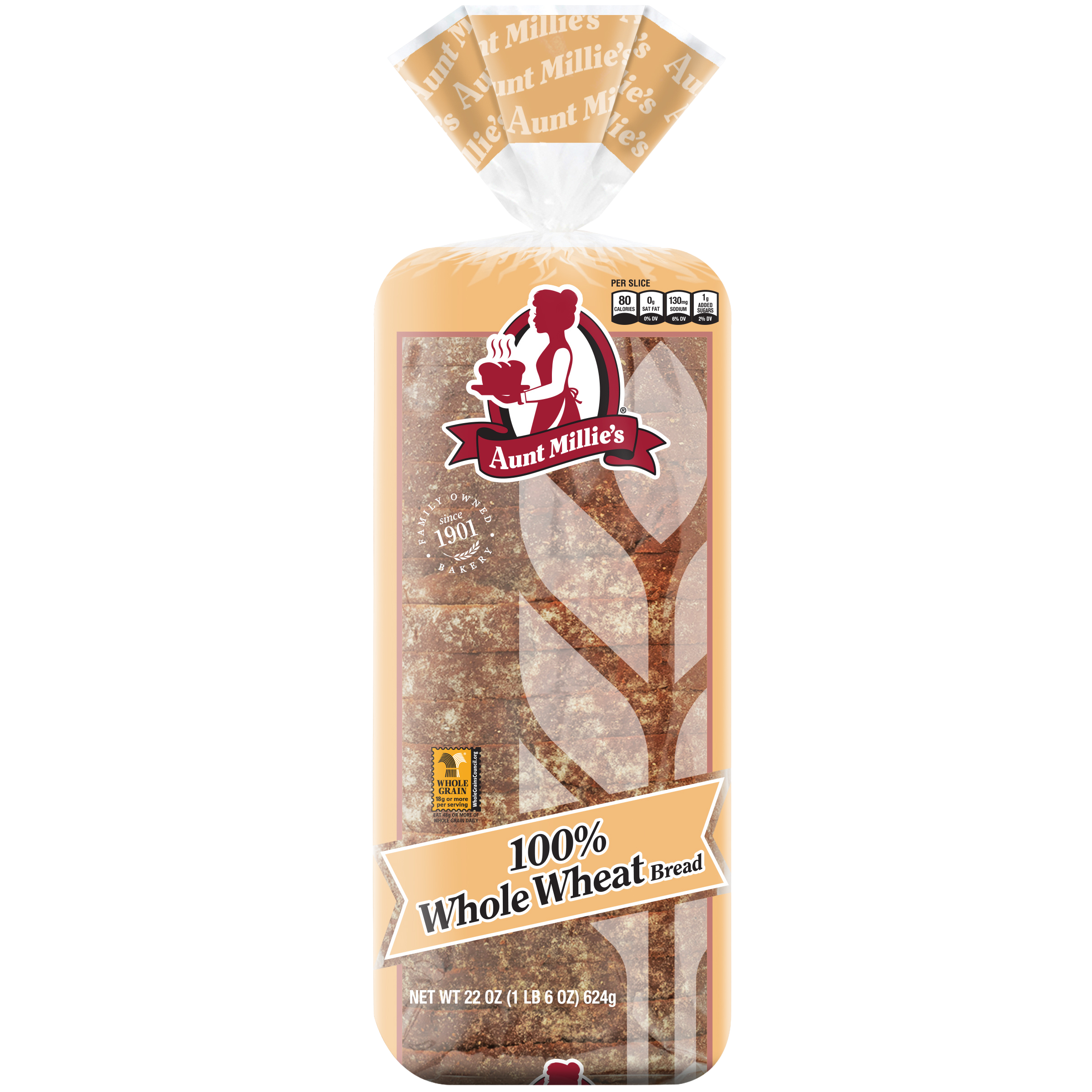

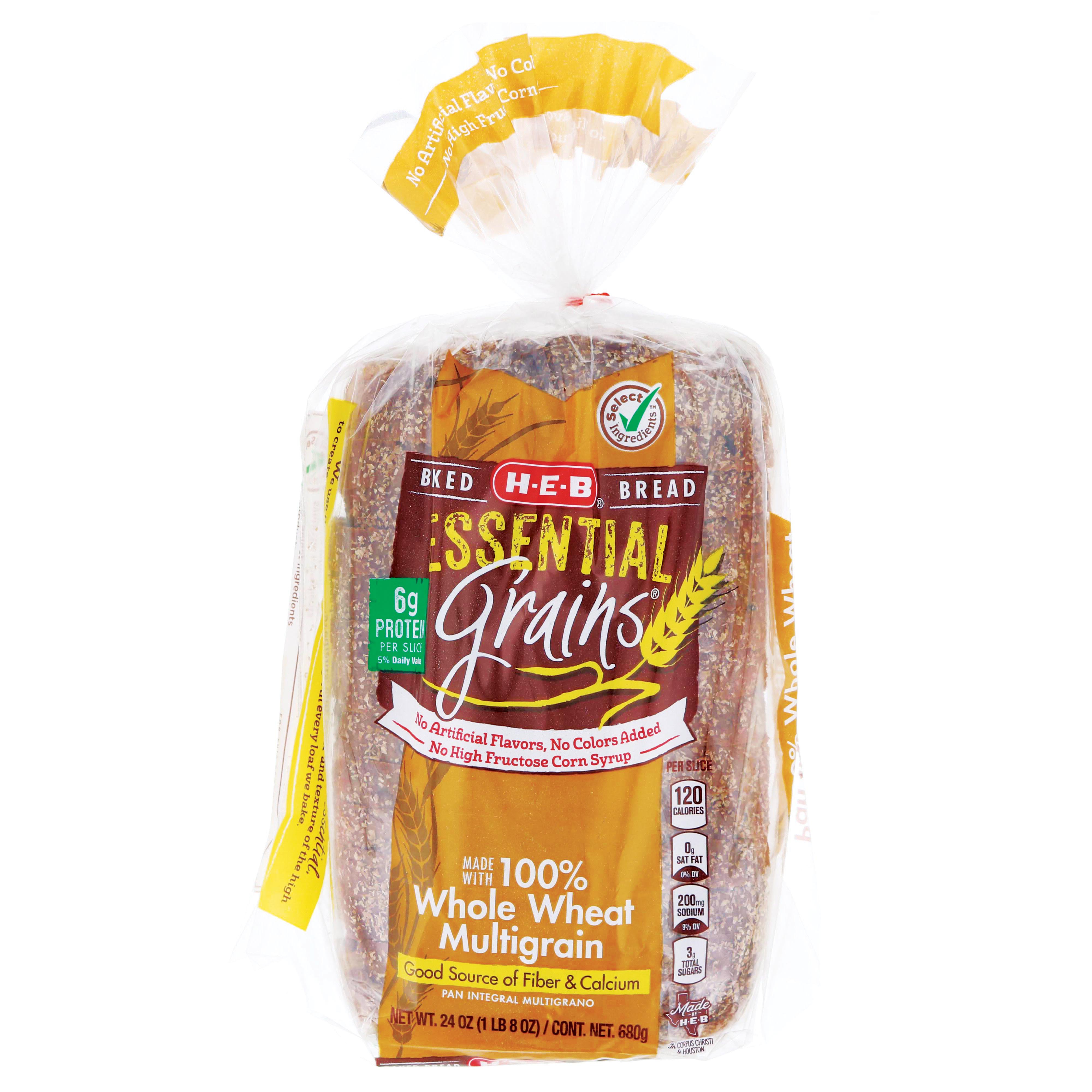


At a glance
Summary
This bread is made with whole wheat flour, which is a good source of fiber and nutrients, and uses honey as a natural sweetener, providing some trace nutrients. However, it includes enriched flour, which is more processed, and the product is classified as processed, limiting its score potential. The ingredient list is relatively clean, but the processing level prevents it from achieving a higher rating.
Key ingredients 8
Whole wheat flourGood
Whole wheat flour is a good source of dietary fiber and essential nutrients. It is less processed than refined flour, retaining more vitamins and minerals. This ingredient supports digestive health and provides sustained energy.
Risks
May cause allergic reactions in individuals with wheat allergies or gluten intolerance.
Benefits
Rich in fiber, which aids in digestion and helps maintain healthy blood sugar levels. Provides essential nutrients like B vitamins and iron.
HoneyGood
Honey is a natural sweetener with antioxidant properties. It provides a source of simple sugars and can enhance flavor. Unlike refined sugars, honey contains trace nutrients and has a lower glycemic impact.
Risks
High sugar content may contribute to calorie intake if consumed in excess.
Benefits
Contains antioxidants and trace nutrients. Provides a natural sweetness with a lower glycemic impact than refined sugars.
Sea saltGood
Sea salt is a minimally processed source of sodium and trace minerals. It enhances flavor and is considered a healthier alternative to refined table salt. Its mineral content can support electrolyte balance.
Risks
Excessive sodium intake can lead to high blood pressure and cardiovascular issues.
Benefits
Provides essential minerals and enhances flavor. Supports electrolyte balance and is less processed than table salt.
Unbleached wheat flourNeutral
Unbleached wheat flour is a refined flour that retains some nutrients compared to bleached flour. It is enriched with vitamins and minerals like niacin and iron. However, it lacks the fiber content of whole wheat flour.
Risks
May contribute to blood sugar spikes due to its refined nature. Potential allergen for those with wheat allergies.
Benefits
Enriched with essential vitamins and minerals, providing some nutritional value compared to bleached flour.
Malted barley flourNeutral
Malted barley flour is used to enhance flavor and improve the texture of baked goods. It contains enzymes that aid in the fermentation process. However, it is used in small quantities and does not significantly impact nutritional value.
Benefits
Enhances flavor and texture in baked goods. Contains enzymes that can aid in fermentation.
WaterNeutral
Water is a neutral ingredient used as a solvent and to provide moisture in the dough. It is essential for the baking process but does not contribute nutritional value. Its presence is necessary for the proper texture and consistency of the product.
Benefits
Essential for hydration and the baking process, contributing to the dough's texture and consistency.
YeastNeutral
Yeast is a microorganism used in baking to leaven dough. It ferments sugars, producing carbon dioxide and alcohol, which helps the dough rise. It is a natural ingredient with no significant nutritional impact.
Benefits
Essential for leavening bread, contributing to texture and flavor development.
EnzymesNeutral
Enzymes are used in baking to improve dough handling and extend shelf life. They break down starches and proteins, enhancing texture and flavor. Their use is common in processed foods and generally considered safe.
Benefits
Improve dough texture and extend shelf life. Enhance flavor and are generally recognized as safe.
Processing
Processed Foods
Get the full breakdown in the Scout appTake Scout shopping
Scan any product to see lab results, healthy alternatives, and your personalized analysis.
Download on theApp Store GET IT ONGoogle Play