
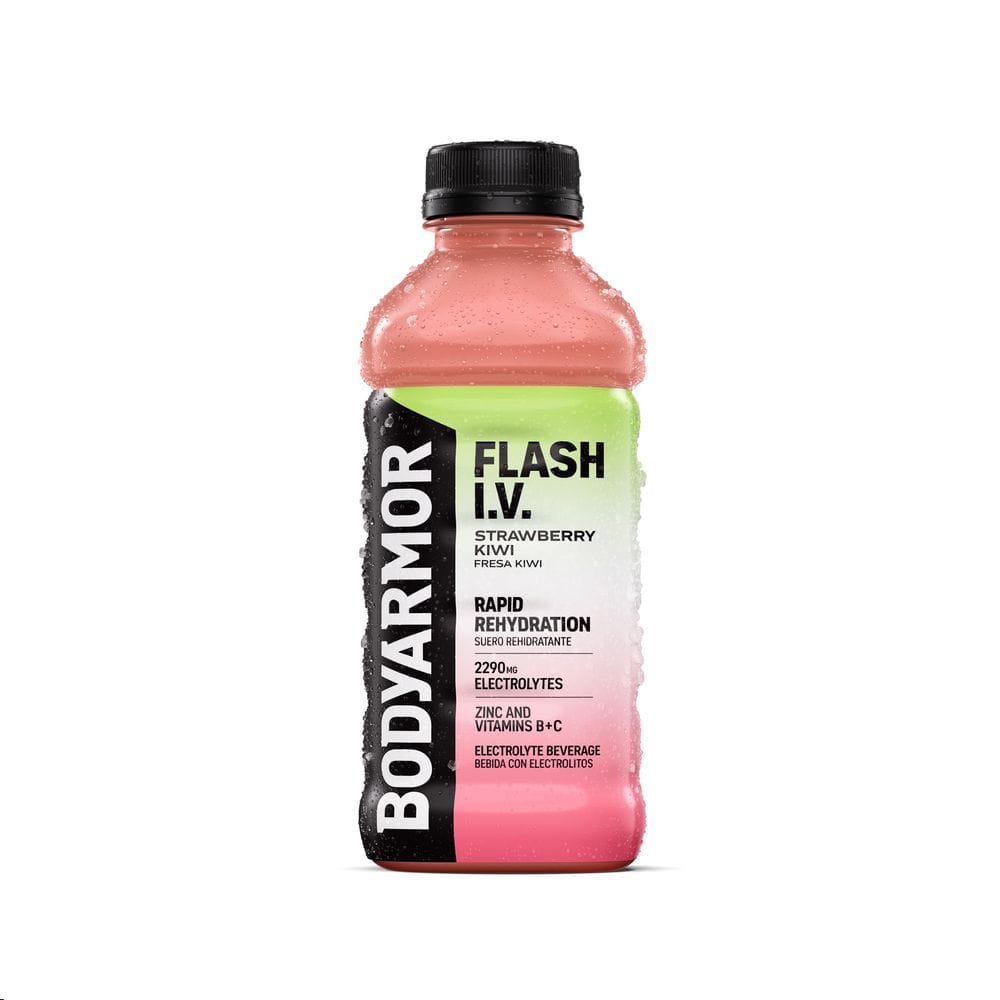





At a glance
Summary
This beverage contains added cane sugar, which contributes to excessive calorie intake and potential health issues like obesity and diabetes. While it includes an electrolyte blend beneficial for hydration, the presence of added sugars and its processed nature limit its healthfulness. The product is moderately processed, which affects its overall rating, despite having no artificial additives or harmful preservatives.
Key ingredients 9
Filtered WaterNeutral
Filtered water is a neutral ingredient that serves as the base for the beverage. It is essential for hydration but does not provide additional nutritional benefits. The filtration process removes impurities, ensuring safety and quality.
See more about Filtered Water →Electrolyte BlendNeutral
The electrolyte blend typically includes minerals like sodium, potassium, and calcium, which are essential for maintaining fluid balance and muscle function. The specific composition and processing of the blend are not detailed, making it difficult to assess its overall impact. It is generally beneficial for hydration but lacks detailed information for a more precise evaluation.
Benefits
Electrolytes are important for maintaining hydration and supporting nerve and muscle function.
Potassium CitrateNeutral
Potassium citrate is used to regulate acidity and provide potassium, an essential mineral for heart and muscle function. It is synthetically produced and used in various food products. While it contributes to electrolyte balance, it does not offer additional health benefits beyond its mineral content.
Risks
Excessive intake may lead to hyperkalemia, especially in individuals with kidney issues.
Benefits
Provides potassium, which is crucial for maintaining normal heart and muscle function.
SaltNeutral
Salt is used to enhance flavor and as a source of sodium, an essential electrolyte. It is a common additive in processed foods, but excessive intake can lead to health issues. While necessary for bodily functions, moderation is key to avoiding negative health impacts.
Risks
High sodium intake is associated with increased blood pressure and cardiovascular disease risk.
Benefits
Provides sodium, which is essential for fluid balance and nerve function.
Potassium ChlorideNeutral
Potassium chloride is used as a salt substitute and provides potassium, an essential nutrient. It is often used to reduce sodium content in foods. While beneficial for potassium intake, it should be consumed in moderation to avoid potential side effects.
Risks
Excessive consumption can lead to hyperkalemia, particularly in individuals with kidney problems.
Benefits
Contributes to potassium intake, supporting heart and muscle health.
Sodium CitrateNeutral
Sodium citrate is used as an acidity regulator and to enhance flavor. It is a salt of citric acid and is generally recognized as safe. While it helps maintain product stability, it does not provide significant nutritional benefits.
Benefits
Helps maintain product stability and flavor.
Sodium LactateNeutral
Sodium lactate is used as a preservative and to enhance flavor. It is derived from lactic acid and is generally considered safe. While it aids in product preservation, it does not offer additional health benefits.
Benefits
Acts as a preservative, extending shelf life.
Calcium CarbonateNeutral
Calcium carbonate is used as a calcium supplement and acidity regulator. It is a common additive in fortified foods and beverages. While it provides calcium, essential for bone health, its bioavailability may vary.
Risks
Excessive intake can lead to hypercalcemia and kidney stones.
Benefits
Provides calcium, supporting bone health and function.
Cane SugarBad
Cane sugar is a source of added sugars, which can contribute to excessive calorie intake and health issues like obesity and diabetes. It is processed to remove impurities, resulting in a refined product with no nutritional benefits. High consumption of added sugars is linked to various metabolic disorders.
Risks
Excessive consumption of added sugars can lead to weight gain, increased risk of type 2 diabetes, and dental cavities.
Processing
Processed Foods
Get the full breakdown in the Scout appTake Scout shopping
Scan any product to see lab results, healthy alternatives, and your personalized analysis.
Download on theApp Store GET IT ONGoogle Play