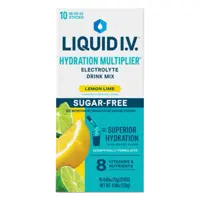
Sugar Free Rainbow Sherbet
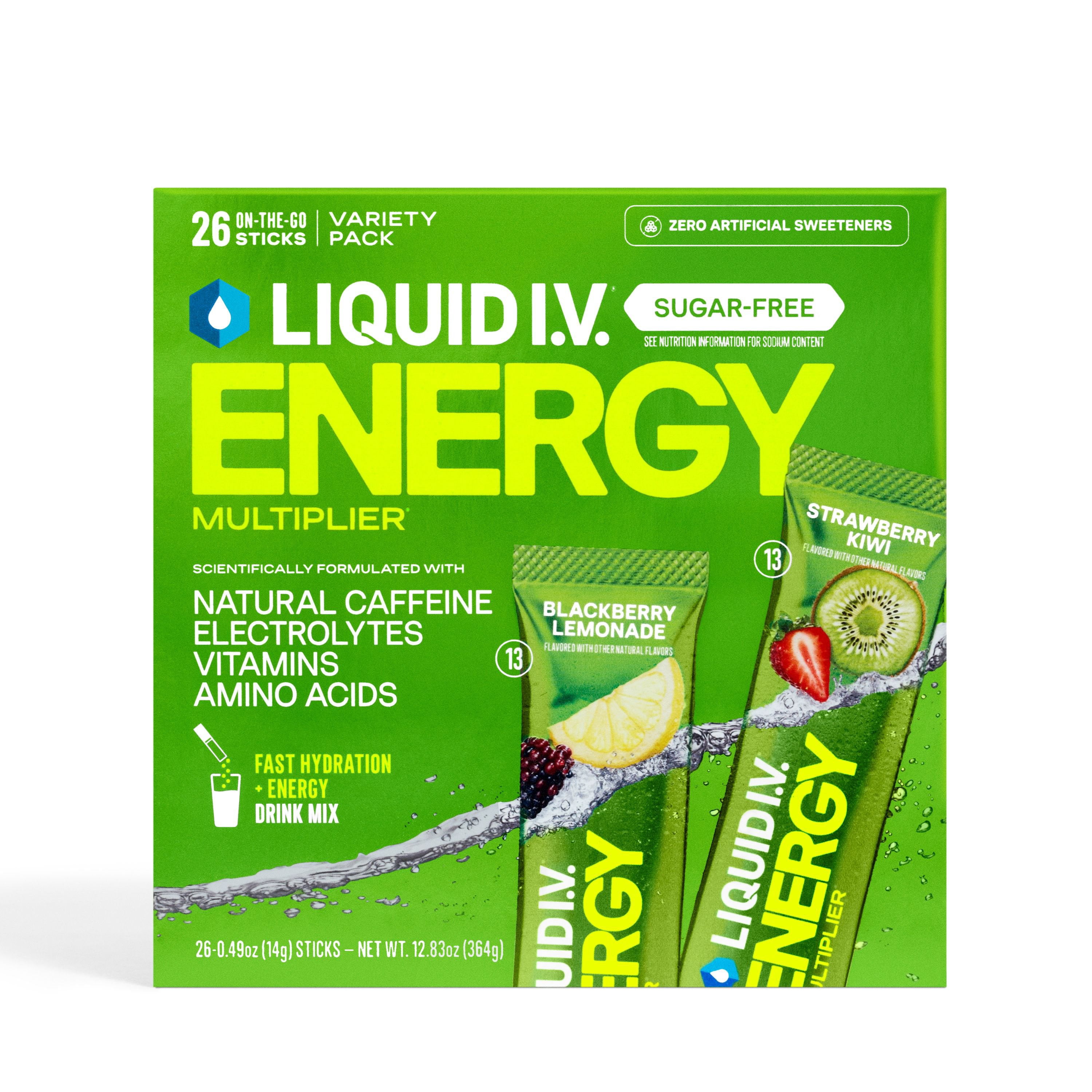
At a glance
Summary
This sugar-free rainbow sherbet is moderately processed and contains natural flavors, which are often highly processed and lack transparency. While it avoids refined sugars, the use of allulose as a sweetener and the presence of multiple additives like citric acid and sodium citrate contribute to its processing level. The absence of artificial dyes and seed oils is a positive aspect, but the overall ingredient list reflects a processed product.
Key ingredients 9
AlluloseNeutral
Allulose is a low-calorie sweetener that mimics the taste of sugar without the calories. It is generally recognized as safe and does not significantly impact blood glucose levels. However, it is a processed ingredient and lacks nutritional benefits.
Risks
Excessive consumption may cause digestive discomfort in some individuals.
Benefits
Provides sweetness with minimal caloric impact, making it suitable for low-calorie diets.
L-GlutamineNeutral
L-Glutamine is an amino acid that supports muscle recovery and gut health. It is naturally found in the body and in various foods. In processed foods, it is added for its potential health benefits rather than nutritional content.
Benefits
May support muscle recovery and gut health, although benefits are more pronounced in supplement form.
L-AlanineNeutral
L-Alanine is a non-essential amino acid involved in protein synthesis and energy production. It is naturally present in many foods and the human body. Its addition to processed foods is primarily for functional purposes rather than nutritional enhancement.
Benefits
Supports protein synthesis and energy production, though benefits are minimal in the context of processed foods.
Citric AcidNeutral
Citric Acid is a natural preservative and flavor enhancer commonly used in food products. It is derived from citrus fruits or produced via fermentation. While it is generally safe, it is a processed additive.
Risks
Excessive consumption may lead to dental erosion due to its acidic nature.
Benefits
Acts as a preservative and enhances flavor without significant health risks when consumed in moderation.
Potassium CitrateNeutral
Potassium Citrate is used to regulate acidity and as a potassium supplement. It is synthetically produced for use in food products. While it serves a functional purpose, it does not provide significant nutritional benefits.
Risks
High doses may cause gastrointestinal discomfort or hyperkalemia in susceptible individuals.
Benefits
Helps regulate acidity and can contribute to potassium intake, supporting electrolyte balance.
SaltNeutral
Salt is a common seasoning and preservative used in various foods. It is essential for maintaining fluid balance and nerve function. However, excessive intake can lead to health issues.
Risks
High sodium intake is associated with increased risk of hypertension and cardiovascular disease.
Benefits
Essential for maintaining fluid balance and nerve function when consumed in appropriate amounts.
Sodium CitrateNeutral
Sodium Citrate is used as an acidity regulator and emulsifier in food products. It is synthetically produced and widely used in processed foods. While it serves a functional purpose, it does not offer nutritional benefits.
Benefits
Helps maintain product stability and texture without significant health risks.
Silicon DioxideNeutral
Silicon Dioxide is used as an anti-caking agent to prevent clumping in powdered products. It is naturally occurring and generally recognized as safe. It serves a functional purpose without providing nutritional benefits.
Benefits
Prevents clumping in powdered products, ensuring consistent texture and quality.
Natural FlavorsBad
Natural Flavors are used to enhance taste but lack transparency regarding their specific composition. They are often highly processed and can contain numerous chemical compounds. This lack of transparency and potential for allergens or sensitivities is a concern.
Risks
Potential allergens or sensitivities due to undisclosed components.
Benefits
Enhances flavor without adding calories, but lacks nutritional benefits.
Processing
Processed Foods
Get the full breakdown in the Scout appTake Scout shopping
Scan any product to see lab results, healthy alternatives, and your personalized analysis.
Are you Liquid I.V.? Fix an error Get the badge Get tested
Amazon pricing & content
Amazon price as of . Product prices and availability are accurate as of the date/time indicated and are subject to change. Any price and availability information displayed on Amazon.com at the time of purchase will apply to the purchase of this product.
CERTAIN CONTENT THAT APPEARS ON THIS SITE COMES FROM AMAZON. THIS CONTENT IS PROVIDED “AS IS” AND IS SUBJECT TO CHANGE OR REMOVAL AT ANY TIME.