

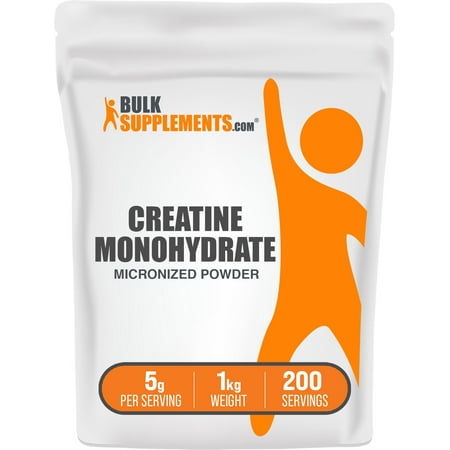


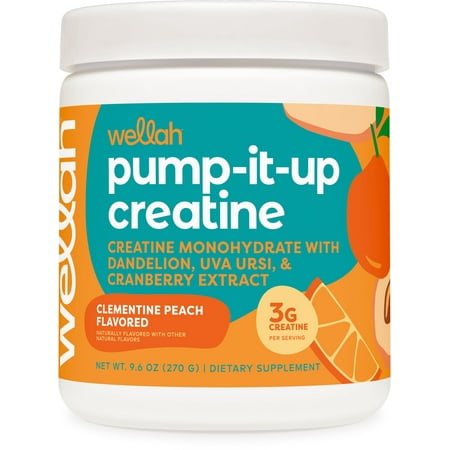
Force Factor Creatine Monohydrate Gummies 5g Creatine for Muscle Strength Recovery Cognitive Health & Memory Assorted Fruit Flavors 150 Gummies
Analysis updated August 2026 · How Scout scores
At a glance
Summary
This creatine supplement includes beneficial ingredients like creatine monohydrate and AstraGin, which support muscle strength and nutrient absorption. However, the presence of natural flavors, which lack transparency, and the use of sweeteners like maltitol and cane sugar, contribute to a moderate level of processing. While the formulation is generally effective, these additives slightly detract from its overall purity and simplicity compared to top-tier single-ingredient creatine products.
Key ingredients 11
Creatine MonohydrateVery Good
Creatine monohydrate is a well-researched supplement known for enhancing muscle strength, power, and recovery. It is considered the most effective form of creatine, with numerous studies supporting its benefits for athletic performance. Its purity and effectiveness make it a staple in sports nutrition.
Benefits
Promotes increased muscle mass, improved strength, and enhanced recovery from exercise.
AstraGinGood
AstraGin is a natural compound derived from Panax notoginseng and Astragalus membranaceus, known for enhancing nutrient absorption. It is often used to improve the bioavailability of supplements, making them more effective. Its natural origin and potential to enhance absorption are beneficial in supplement formulations.
Benefits
May improve the absorption of nutrients and enhance the effectiveness of other ingredients.
WaterNeutral
Water is used as a solvent and carrier in food products, essential for dissolving and distributing other ingredients. It is a basic and necessary component in many formulations. Its role is primarily functional, with no direct nutritional impact.
Benefits
Essential for hydration and acts as a solvent for other ingredients.
PectinNeutral
Pectin is a natural gelling agent derived from fruits, used to provide texture and stability in gummies. It is a plant-based alternative to gelatin, suitable for vegetarian and vegan products. Its role is primarily functional, contributing to the product's consistency.
Benefits
Provides a plant-based gelling agent, suitable for vegetarian and vegan formulations.
Citric AcidNeutral
Citric acid is a natural acidulant used to enhance flavor and preserve freshness in food products. It is commonly found in citrus fruits and is widely used in the food industry. Its role is primarily functional, contributing to the product's taste and shelf life.
Benefits
Enhances flavor and acts as a preservative, extending the product's shelf life.
Vegetable & Fruit JuiceNeutral
Vegetable and fruit juice is used for natural coloring, providing an alternative to artificial dyes. It is derived from natural sources, making it a preferable option for those avoiding synthetic colors. Its role is primarily aesthetic, contributing to the product's appearance.
Benefits
Offers a natural coloring option, avoiding synthetic dyes.
Sodium CitrateNeutral
Sodium citrate is a salt of citric acid used as an acidity regulator and preservative in food products. It helps maintain the stability and flavor of the product. Its role is primarily functional, with no direct nutritional impact.
Benefits
Acts as a preservative and acidity regulator, enhancing product stability.
MaltitolBad
A sugar alcohol used to label products sugar-free. It still raises blood sugar — roughly half as much as table sugar — and commonly causes bloating and digestive upset at the amounts found in bars and candy.
Risks
May cause digestive issues such as bloating and diarrhea when consumed in large amounts.
Benefits
Provides sweetness with fewer calories than sugar, making it suitable for low-calorie products.
Tapioca SyrupBad
Processed additive flagged under Scout's ingredient doctrine.
Benefits
Offers a natural source of carbohydrates and sweetness without the use of high fructose corn syrup.
Cane SugarBad
Processed additive flagged under Scout's ingredient doctrine.
Risks
Excessive consumption can contribute to weight gain and dental issues.
Benefits
Provides a quick source of energy and enhances the flavor of the product.
Natural FlavorsBad
Natural flavors are a catch-all term for flavoring agents derived from natural sources, but their exact composition is often undisclosed. This lack of transparency can be concerning for consumers seeking to avoid certain additives. While derived from natural sources, the processing and lack of disclosure can be problematic.
Risks
Potential for undisclosed additives and allergens, leading to consumer concerns.
Benefits
Provides flavor enhancement without artificial additives.
Processing
Processed Foods
Get the full breakdown in the Scout appTake Scout shopping
Scan any product to see lab results, healthy alternatives, and your personalized analysis.
Download on theApp Store GET IT ONGoogle Play