




At a glance
Summary
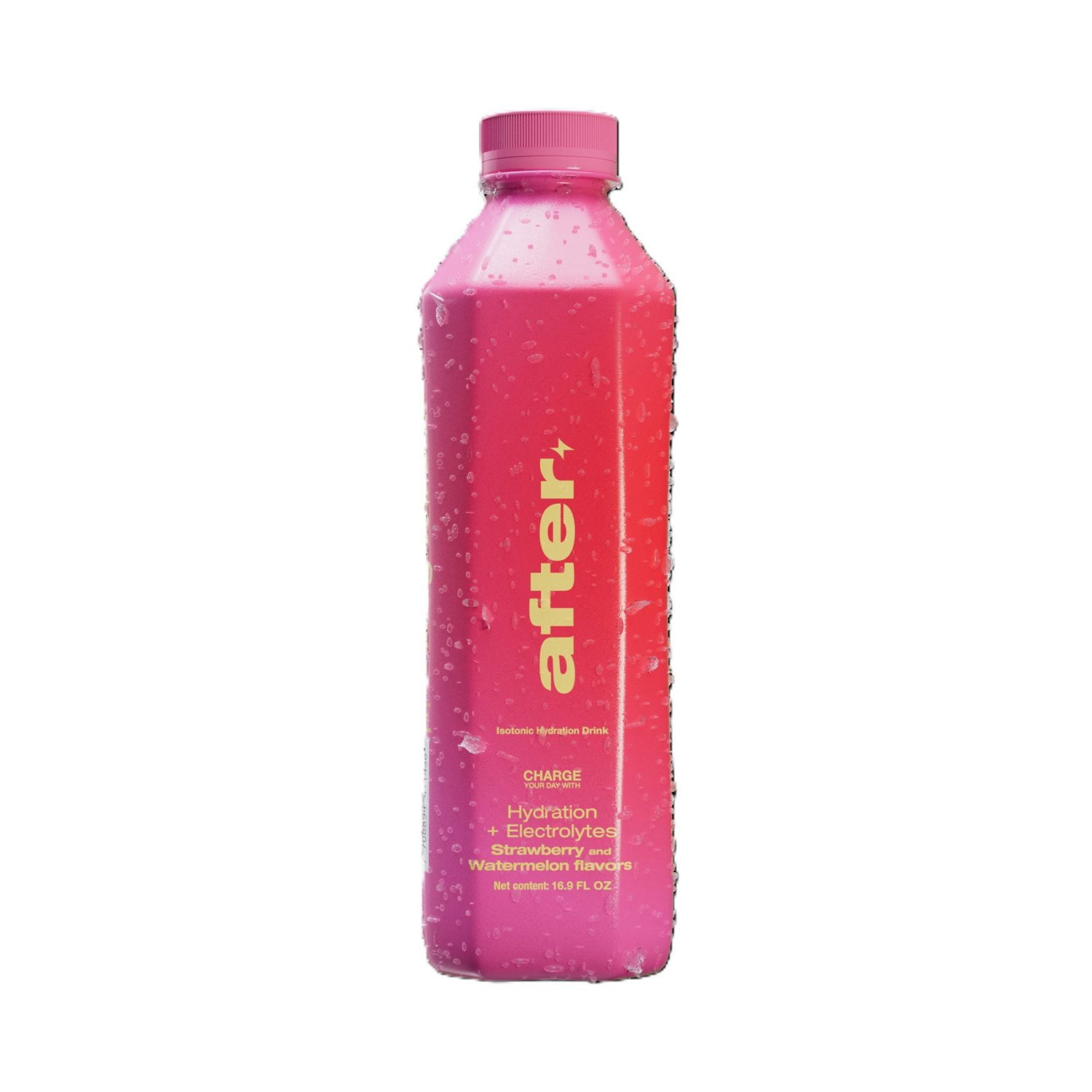
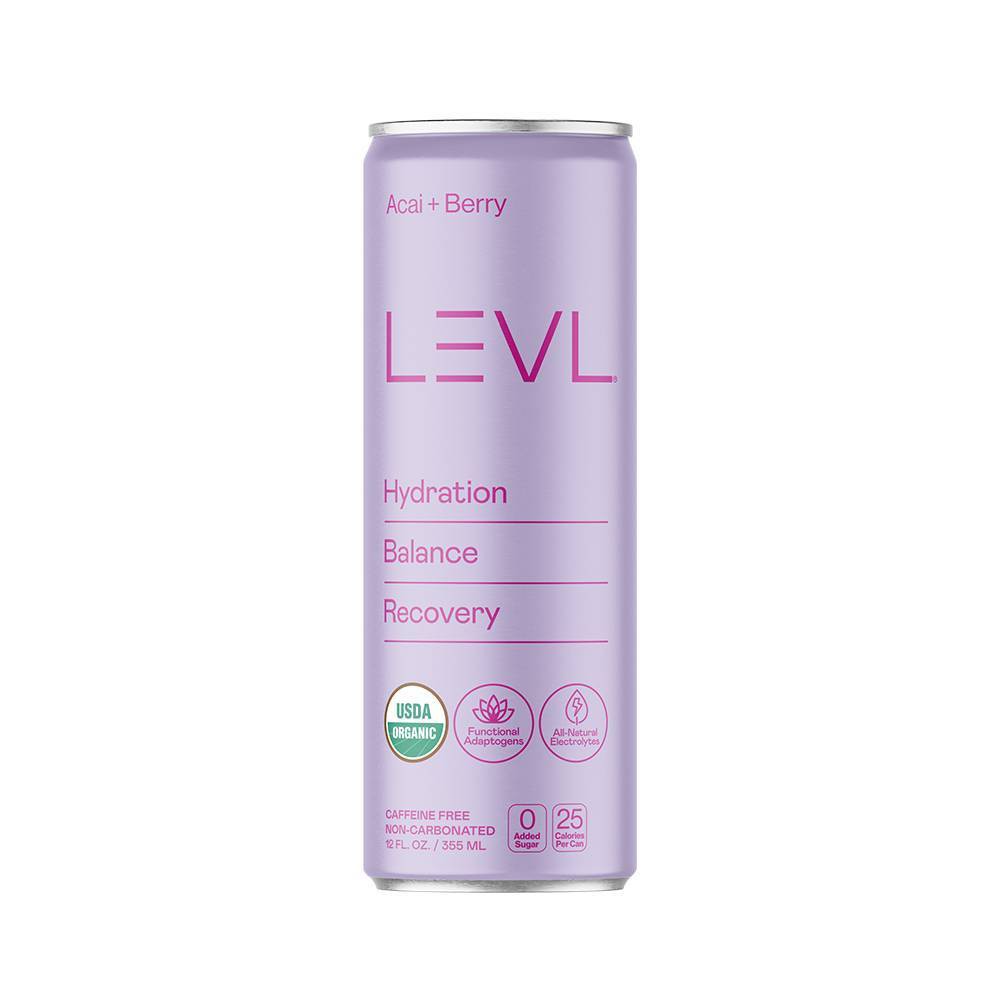
This hydration drink contains a variety of beneficial ingredients such as amino acids, electrolytes, and vitamins that support hydration and cognitive function. The product is processed, but it avoids harmful additives like artificial sweeteners, dyes, and seed oils, maintaining a clean ingredient list. The presence of natural caffeine and Himalayan pink salt further enhances its health profile, making it a suitable choice for those seeking a functional beverage with minimal processing concerns.
Key ingredients 24
L-TheanineGood
L-Theanine is an amino acid found in tea leaves known for its calming effects. It is minimally processed and considered safe for consumption. It can enhance relaxation without drowsiness.
Benefits
Promotes relaxation and may improve focus and cognitive performance.
Himalayan Pink SaltGood
Beneficial ingredient — whole-food or functional value in this product class.
Risks
Excessive consumption can lead to high blood pressure.
Benefits
Contains trace minerals that may support overall health.
Beta-AlanineGood
Beta-Alanine is a non-essential amino acid that supports muscle endurance. It is typically used in sports supplements and is considered safe. It helps buffer acid in muscles, improving performance.
Risks
May cause a harmless tingling sensation known as paresthesia.
Benefits
Enhances athletic performance by delaying muscle fatigue.
Alpha-GlycerylphosphorylcholineGood
Alpha-Glycerylphosphorylcholine (Alpha-GPC) is a choline compound that supports cognitive health. It is well-absorbed and considered beneficial for brain function. It may enhance memory and learning.
Benefits
Supports cognitive function and may improve memory.
Amino AcidsGood
Amino acids are the building blocks of proteins and are essential for various bodily functions. They are naturally occurring and crucial for muscle repair and growth. They support overall health and wellness.
Benefits
Essential for muscle repair, growth, and overall health.
ElectrolytesGood
Electrolytes are minerals that help maintain fluid balance and support nerve function. They are essential for hydration and are naturally present in many foods. They are crucial for maintaining proper bodily functions.
Benefits
Support hydration and proper muscle and nerve function.
FolateGood
Folate is a B-vitamin essential for DNA synthesis and repair. It is naturally found in leafy greens and is crucial for cell division. It is particularly important for pregnant women to prevent neural tube defects.
Benefits
Supports DNA synthesis and is crucial for fetal development.
GlycineGood
Glycine is a non-essential amino acid that supports collagen production and joint health. It is naturally occurring and plays a role in various metabolic processes. It may improve sleep quality and cognitive function.
Benefits
Supports collagen production and may improve sleep quality.
MagnesiumGood
Magnesium is a mineral essential for muscle and nerve function. It is naturally found in many foods and is crucial for energy production. It supports bone health and may reduce muscle cramps.
Risks
Excessive intake can lead to diarrhea and abdominal cramping.
Benefits
Supports muscle and nerve function and promotes bone health.
MethylcobalaminGood
Methylcobalamin is a form of Vitamin B-12 that supports nerve health and energy production. It is well-absorbed and crucial for red blood cell formation. It may improve mood and cognitive function.
Benefits
Supports nerve health and energy production.
N-Acetyl L-TyrosineGood
N-Acetyl L-Tyrosine is a modified form of the amino acid tyrosine that supports brain function. It is more bioavailable than regular tyrosine and may enhance cognitive performance. It is often used to improve focus and reduce stress.
Benefits
Enhances cognitive performance and may reduce stress.
NiacinGood
Niacin, also known as Vitamin B-3, supports energy metabolism and skin health. It is naturally found in many foods and is essential for converting food into energy. It may improve cholesterol levels and support cardiovascular health.
Risks
High doses can cause flushing and liver damage.
Benefits
Supports energy metabolism and may improve cholesterol levels.
Nicotinic AcidGood
Nicotinic Acid is a form of Niacin that supports cardiovascular health. It is used to improve cholesterol levels and is essential for energy production. It may reduce the risk of heart disease.
Risks
High doses can cause flushing and liver damage.
Benefits
Improves cholesterol levels and supports heart health.
PotassiumGood
Potassium is a mineral essential for maintaining fluid balance and proper muscle function. It is naturally found in many foods and supports cardiovascular health. It may help lower blood pressure.
Risks
Excessive intake can lead to hyperkalemia, which affects heart function.
Benefits
Supports cardiovascular health and helps maintain fluid balance.
Potassium CitrateGood
Potassium Citrate is a potassium salt that helps maintain acid-base balance in the body. It is used to prevent kidney stones and is generally considered safe. It supports cardiovascular health and muscle function.
Risks
Excessive intake can lead to hyperkalemia, which affects heart function.
Benefits
Prevents kidney stones and supports cardiovascular health.
SodiumGood
Beneficial ingredient — whole-food or functional value in this product class.
Risks
Excessive consumption can lead to high blood pressure and cardiovascular issues.
Benefits
Supports fluid balance and nerve function.
Vitamin B-12Good
Vitamin B-12 is essential for nerve health and red blood cell formation. It is naturally found in animal products and is crucial for energy production. It may improve mood and cognitive function.
Benefits
Supports nerve health and energy production.
Vitamin B-3Good
Vitamin B-3, also known as Niacin, supports energy metabolism and skin health. It is naturally found in many foods and is essential for converting food into energy. It may improve cholesterol levels and support cardiovascular health.
Risks
High doses can cause flushing and liver damage.
Benefits
Supports energy metabolism and may improve cholesterol levels.
ZincGood
Zinc is a mineral essential for immune function and wound healing. It is naturally found in many foods and supports enzyme function. It may reduce the duration of colds and improve skin health.
Risks
Excessive intake can lead to nausea and impaired immune function.
Benefits
Supports immune function and promotes wound healing.
Huperzine ANeutral
Huperzine A is a compound extracted from a plant that is often used for cognitive enhancement. It is not heavily processed and is generally considered safe in small doses. However, its long-term effects are not well-studied.
Risks
Potential side effects include nausea and gastrointestinal issues.
Benefits
May support cognitive function and memory.
CaffeineNeutral
Caffeine is a natural stimulant found in coffee and tea. It is widely consumed and generally safe in moderate amounts. It can improve alertness and concentration.
Risks
Excessive intake can lead to insomnia, jitteriness, and increased heart rate.
Benefits
Boosts energy levels and enhances mental alertness.
Folic AcidNeutral
Standard formulation ingredient — neither beneficial nor harmful at typical use.
Benefits
Essential for cell growth and fetal development.
Natural CaffeineNeutral
Natural Caffeine is derived from natural sources like coffee beans and tea leaves. It is a stimulant that can improve alertness and concentration. It is generally considered safe in moderate amounts.
Risks
Excessive intake can lead to insomnia, jitteriness, and increased heart rate.
Benefits
Boosts energy levels and enhances mental alertness.
Pink Himalayan SaltNeutral
Pink Himalayan Salt is a natural mineral salt that contains trace minerals. It is less processed than regular table salt. However, its health benefits over regular salt are minimal.
Risks
Excessive consumption can lead to high blood pressure.
Benefits
Contains trace minerals that may support overall health.
Processing
Processed Foods
Get the full breakdown in the Scout appTake Scout shopping
Scan any product to see lab results, healthy alternatives, and your personalized analysis.
Download on theApp Store GET IT ONGoogle Play