

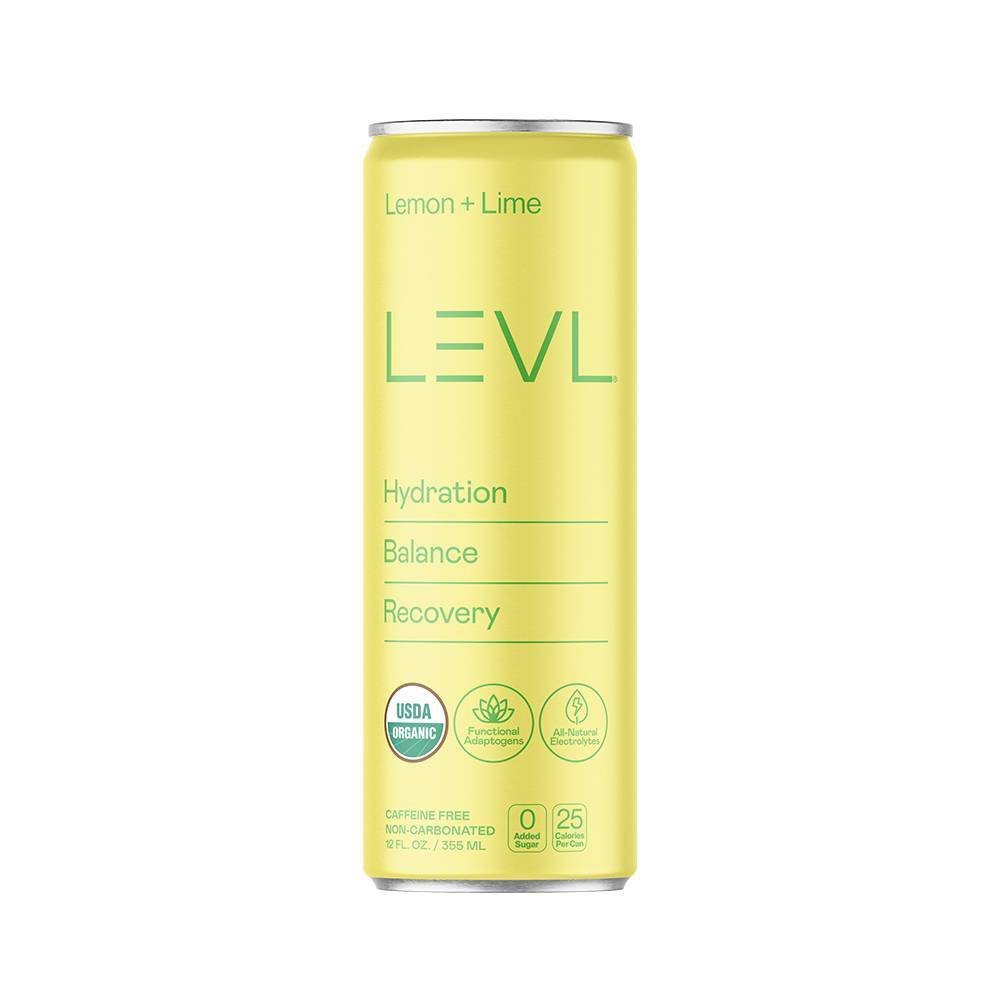


Skratch Labs Daily Electrolyte Drink Mix - Box Lemons & Lime, 20 Single Servings
Analysis updated August 2026 · How Scout scores
At a glance
Summary
This electrolyte drink mix contains beneficial ingredients like calcium citrate, magnesium carbonate, and potassium citrate, which support electrolyte balance and overall health. However, the presence of cane sugar as a primary ingredient introduces added sugars, which can contribute to health issues if consumed in excess. The product is moderately processed, which limits its score despite the inclusion of natural flavors from lemon and lime juices.
Key ingredients 12
Sodium CitrateGood
Beneficial ingredient — whole-food or functional value in this product class.
Risks
Excessive consumption may lead to an imbalance in sodium levels, potentially affecting blood pressure.
Benefits
Helps maintain electrolyte balance and can improve hydration efficiency.
Calcium CitrateGood
Calcium citrate is a form of calcium that is easily absorbed by the body, supporting bone health. It is often used in supplements and fortified foods to enhance calcium intake. Unlike some other forms of calcium, it does not require stomach acid for absorption.
Risks
Excessive intake can lead to hypercalcemia, which may cause kidney stones and impaired absorption of other minerals.
Benefits
Supports bone health and is easily absorbed, making it a beneficial source of calcium.
Magnesium CarbonateGood
Magnesium carbonate is a source of magnesium, an essential mineral important for muscle and nerve function. It is used in supplements to prevent magnesium deficiency. It also acts as an antacid, neutralizing stomach acid.
Risks
High doses can cause diarrhea and gastrointestinal discomfort.
Benefits
Supports muscle and nerve function and helps maintain normal blood pressure.
Potassium CitrateGood
Potassium citrate is used to prevent kidney stones and maintain proper electrolyte balance. It is a beneficial source of potassium, which is crucial for heart and muscle function. It helps alkalize urine, reducing the risk of stone formation.
Risks
Excessive intake can lead to hyperkalemia, which may cause heart rhythm disturbances.
Benefits
Supports heart health and helps prevent kidney stones by maintaining electrolyte balance.
Lemon JuiceGood
Lemon juice is a natural source of vitamin C and antioxidants, supporting immune function. It is minimally processed and adds a refreshing citrus flavor. Its acidity can also aid in digestion and enhance the absorption of certain nutrients.
Risks
Excessive consumption can erode tooth enamel due to its acidity.
Benefits
Rich in vitamin C and antioxidants, supporting immune health and providing a natural flavor boost.
Lime JuiceGood
Lime juice is rich in vitamin C and antioxidants, promoting immune health and providing a natural flavor. It is a minimally processed ingredient that enhances the taste of beverages. Its acidity can also aid digestion and nutrient absorption.
Risks
High acidity may contribute to dental erosion if consumed in large amounts.
Benefits
Provides vitamin C and antioxidants, supporting immune function and adding natural flavor.
Ascorbic AcidGood
Ascorbic acid, also known as vitamin C, is an essential nutrient that supports immune function and acts as an antioxidant. It is often added to foods to enhance nutritional value and prevent oxidation. It is water-soluble and generally safe in recommended amounts.
Risks
Excessive intake can lead to gastrointestinal discomfort and kidney stones in susceptible individuals.
Benefits
Supports immune health and acts as an antioxidant, protecting cells from damage.
Citric AcidNeutral
Citric acid is a natural preservative and flavor enhancer found in citrus fruits. It is widely used in food and beverages for its sour taste and preservative qualities. While generally safe, excessive consumption can erode tooth enamel.
Risks
High amounts can contribute to dental erosion and stomach upset in sensitive individuals.
Benefits
Acts as a natural preservative and enhances flavor without significant health risks.
Lemon OilNeutral
Lemon oil is a natural flavoring derived from lemon peels, providing a fresh citrus aroma. It is used to enhance the flavor profile of foods and beverages. While it adds flavor, it does not contribute significant nutritional value.
Benefits
Enhances flavor with natural citrus notes without adding calories.
Lime OilNeutral
Lime oil is extracted from lime peels and used as a natural flavoring agent. It provides a refreshing citrus flavor to foods and beverages. It is generally safe and adds flavor without significant nutritional impact.
Benefits
Adds natural citrus flavor without contributing calories or artificial additives.
Cane SugarBad
Cane sugar is a source of added sugars, which can contribute to excessive calorie intake and potential weight gain. It is processed and lacks the nutritional benefits found in whole foods. High consumption of added sugars is linked to various health issues, including metabolic syndrome.
Risks
Excessive intake of added sugars can lead to obesity, type 2 diabetes, and heart disease.
DextroseBad
Refined added sugar.
Risks
High intake can lead to spikes in blood sugar levels and contribute to insulin resistance over time.
Benefits
Provides a rapid source of energy, beneficial during intense physical activity.
Processing
Processed Foods
Get the full breakdown in the Scout appTake Scout shopping
Scan any product to see lab results, healthy alternatives, and your personalized analysis.
Download on theApp Store GET IT ONGoogle Play