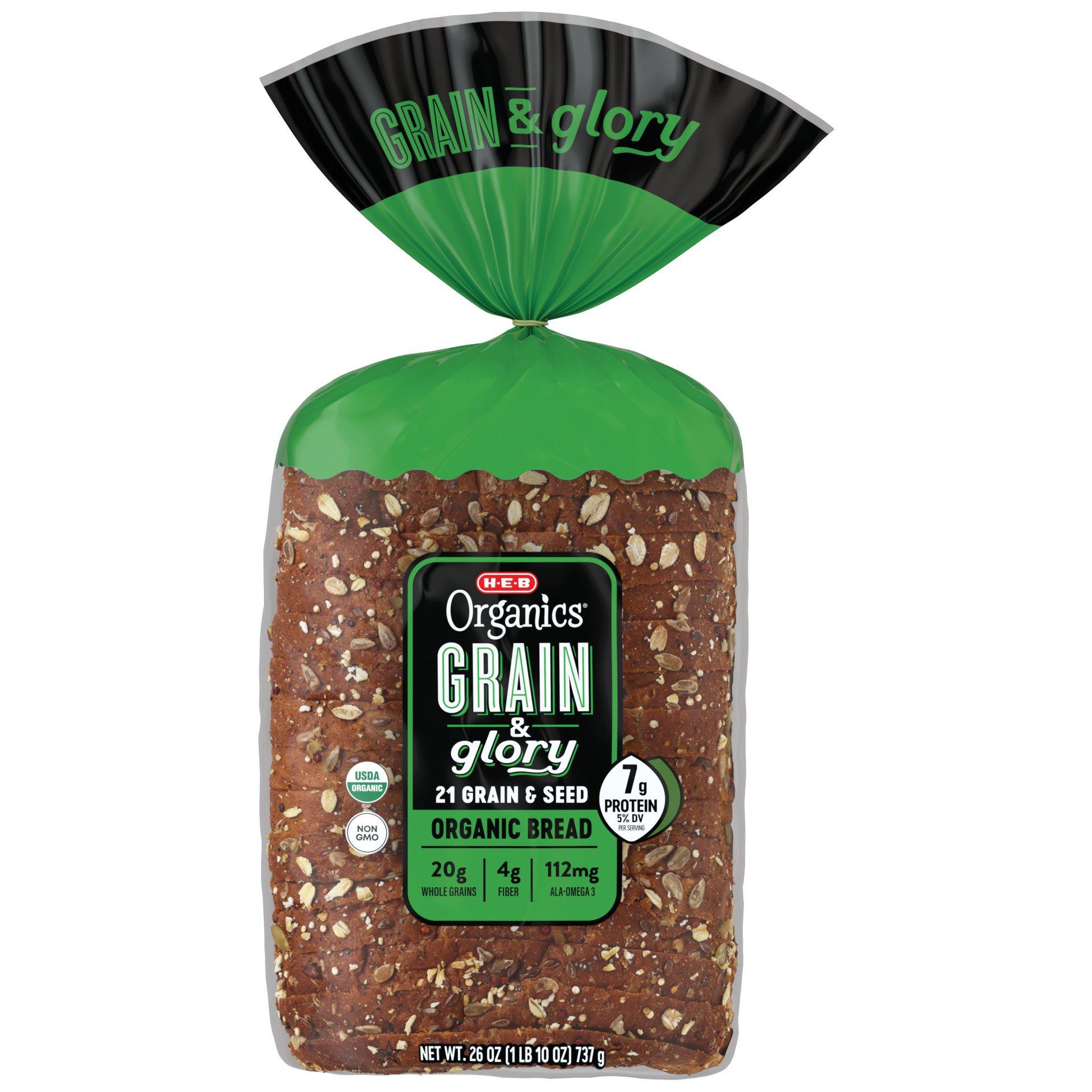
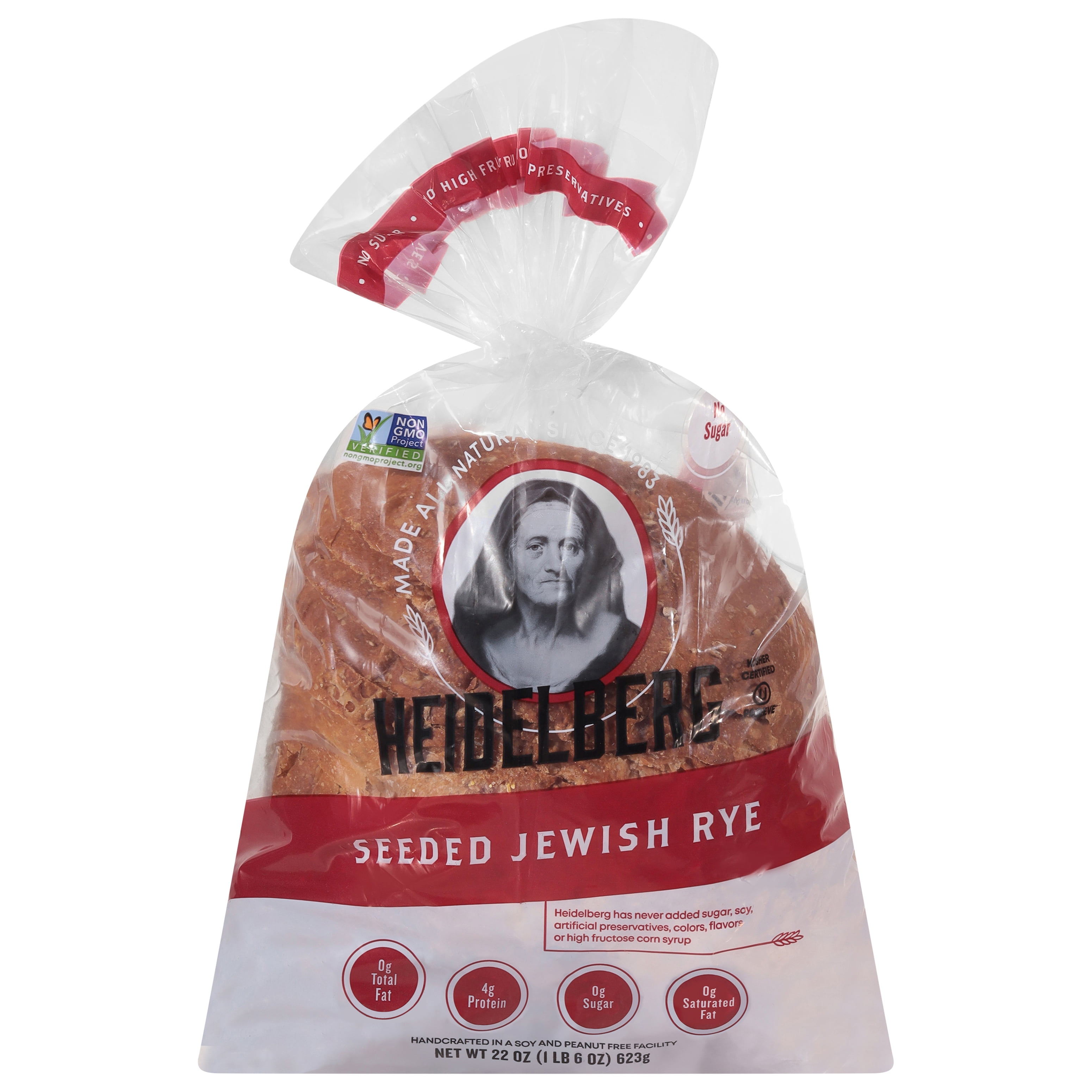
Chía and Flax Seed

At a glance
Summary
This product contains several beneficial ingredients such as millet flour, sorghum flour, and extra virgin olive oil, which contribute to its nutritional value. However, it is classified as ultra-processed due to the presence of multiple processed ingredients like tapioca starch and cultured rice flour. Despite the use of healthy fats and whole grains, the level of processing limits its overall health score.
Key ingredients 17
Extra virgin olive oilVery Good
Extra virgin olive oil is a high-quality monounsaturated fat with anti-inflammatory properties. It contains antioxidants that support heart health. Cold-pressed extraction preserves beneficial compounds.
Benefits
Rich in monounsaturated fats that support heart health and provide anti-inflammatory properties. Contains antioxidants like vitamin E and polyphenols that may reduce oxidative stress.
Millet flourGood
Millet flour is a gluten-free grain that provides essential nutrients like magnesium and phosphorus. It is a good source of fiber and protein, supporting digestive health. Its mild flavor makes it versatile in baking.
Benefits
Rich in fiber and essential nutrients, supporting digestive health and providing a gluten-free alternative.
Sorghum flourGood
Sorghum flour is a gluten-free whole grain flour rich in antioxidants and fiber. It supports heart health and aids in digestion. Its high nutrient content makes it a beneficial addition to gluten-free diets.
Benefits
Provides antioxidants and fiber, supporting heart health and digestion.
Gluten-free oat flourGood
Gluten-free oat flour is a whole grain flour rich in beta-glucans, which support heart health. It provides fiber and protein, aiding in digestion and satiety. Its mild flavor enhances baked goods.
Benefits
Rich in beta-glucans and fiber, supporting heart health and digestion.
Psyllium huskGood
Psyllium husk is a soluble fiber that aids in digestion and helps regulate blood sugar levels. It is often used to improve the texture of gluten-free baked goods. Its high fiber content supports gut health.
Risks
May cause digestive discomfort if consumed in large amounts without adequate water.
Benefits
Supports digestive health and helps regulate blood sugar levels.
Ground chia seedGood
Ground chia seeds are rich in omega-3 fatty acids, fiber, and protein. They support heart health and provide sustained energy. Their nutrient density makes them a valuable addition to any diet.
Risks
May cause digestive discomfort if consumed in large amounts without adequate water.
Benefits
Rich in omega-3 fatty acids and fiber, supporting heart health and providing sustained energy.
Flax seedsGood
Flax seeds are a rich source of omega-3 fatty acids, lignans, and fiber. They support heart health and may reduce inflammation. Their nutrient profile makes them beneficial for overall health.
Risks
May cause digestive discomfort if consumed in large amounts without adequate water.
Benefits
Rich in omega-3 fatty acids and lignans, supporting heart health and reducing inflammation.
Apple cider vinegarGood
Beneficial ingredient — whole-food or functional value in this product class.
Risks
Excessive consumption may lead to digestive discomfort or tooth enamel erosion.
Benefits
May aid digestion and support blood sugar regulation.
Millet seedsGood
Millet seeds are a gluten-free grain rich in magnesium and phosphorus. They provide fiber and protein, supporting digestive health. Their nutrient content makes them a valuable addition to gluten-free diets.
Benefits
Rich in fiber and essential nutrients, supporting digestive health and providing a gluten-free alternative.
Black chia seedsGood
Black chia seeds are rich in omega-3 fatty acids, fiber, and protein. They support heart health and provide sustained energy. Their nutrient density makes them a valuable addition to any diet.
Risks
May cause digestive discomfort if consumed in large amounts without adequate water.
Benefits
Rich in omega-3 fatty acids and fiber, supporting heart health and providing sustained energy.
WaterNeutral
Water is a neutral ingredient used as a solvent and to provide moisture. It does not contribute any calories or nutrients. It is essential for the consistency and texture of the product.
See more about Water →Tapioca starchNeutral
Tapioca starch is a gluten-free thickening agent derived from cassava root. It provides texture and structure in gluten-free baking. It is low in nutrients and primarily used for its functional properties.
See more about Tapioca starch →Pure maple syrupNeutral
Pure maple syrup is a natural sweetener with a lower glycemic index than refined sugar. It contains trace minerals like manganese and zinc. Its use in moderation can add flavor without excessive sugar intake.
Risks
Excessive consumption can lead to increased sugar intake and related health issues.
Benefits
Provides trace minerals and a natural sweetening option with a lower glycemic index.
Cultured rice flourNeutral
Cultured rice flour is used as a natural preservative and to improve texture. It is a gluten-free ingredient that provides minimal nutrients. Its primary function is to enhance shelf life and product stability.
YeastNeutral
Yeast is used as a leavening agent to help dough rise. It contributes to the texture and flavor of baked goods. It is a natural ingredient with no significant health concerns.
See more about Yeast →SaltNeutral
Salt is used to enhance flavor and preserve food. It is essential for various bodily functions but should be consumed in moderation. It is a common ingredient in many processed foods.
Risks
Excessive consumption can lead to high blood pressure and related health issues.
Benefits
Essential for various bodily functions and enhances flavor.
Low sodium baking powderNeutral
Low sodium baking powder is used as a leavening agent to help dough rise. It provides a lower sodium alternative to regular baking powder. It is a functional ingredient with no significant health concerns.
Benefits
Provides a lower sodium alternative to regular baking powder.
Processing
Ultra-Processed Foods
Get the full breakdown in the Scout appTake Scout shopping
Scan any product to see lab results, healthy alternatives, and your personalized analysis.
Are you Queen Street? Fix an error Get the badge Get tested