
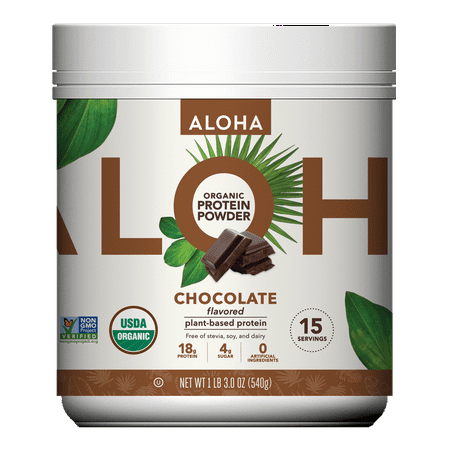
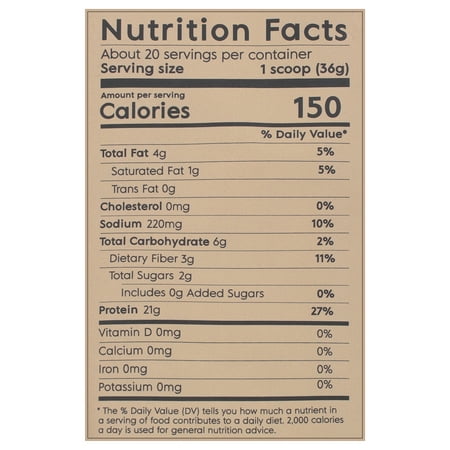




Aloha Organic Protein Powder Chocolate
Analysis updated July 2026 · How Scout scores
At a glance
Summary
This protein powder features a blend of high-quality plant-based proteins, including pea, brown rice, hemp seed, and pumpkin seed proteins, which are minimally processed and organic. The use of coconut sugar and monk fruit extract as sweeteners is a positive aspect, avoiding artificial sweeteners. However, the inclusion of 'natural flavor' introduces some uncertainty due to its lack of transparency, which slightly impacts the overall score.
Key ingredients 12
Brown Rice ProteinGood
Brown rice protein is a plant-based protein that complements pea protein by providing a complete amino acid profile. It is minimally processed and organic, ensuring fewer additives and contaminants. It is a suitable option for those with dietary restrictions.
Benefits
Offers a complete amino acid profile when combined with other plant proteins, supporting muscle growth and recovery.
Hemp Seed ProteinGood
Hemp seed protein is a high-quality plant protein that contains all essential amino acids. It is rich in omega-3 and omega-6 fatty acids, which are beneficial for heart health. The organic nature of this ingredient ensures minimal exposure to pesticides.
Benefits
Rich in essential fatty acids and fiber, supporting heart health and digestion.
Pumpkin Seed ProteinGood
Pumpkin seed protein is a nutrient-dense plant protein that provides a good source of magnesium, zinc, and other minerals. It is minimally processed and organic, ensuring a clean ingredient profile. It supports muscle health and overall nutrition.
Benefits
Provides essential minerals and supports muscle health and recovery.
CocoaGood
Beneficial ingredient — whole-food or functional value in this product class.
Benefits
Adds flavor and may provide some antioxidants, though less than non-alkalized cocoa.
Monk Fruit ExtractGood
Beneficial ingredient — whole-food or functional value in this product class.
Benefits
Offers a calorie-free sweetening option without the adverse effects of artificial sweeteners.
Sea SaltGood
Beneficial ingredient — whole-food or functional value in this product class.
Risks
Excessive consumption can lead to high blood pressure and other health issues.
Benefits
Provides essential minerals and enhances flavor.
Medium Chain Triglycerides (MCT)Good
MCTs are fats that are rapidly absorbed and used for energy, making them popular in sports nutrition. They are derived from coconut oil and can support weight management and energy levels. MCTs are often used for their potential to enhance ketone production.
Benefits
Supports energy levels and may aid in weight management.
Pea ProteinNeutral
Standard formulation ingredient — neither beneficial nor harmful at typical use.
Benefits
Provides a good source of protein for muscle repair and growth, especially for those on plant-based diets.
Coconut SugarNeutral
Coconut sugar is a natural sweetener derived from the sap of coconut palm trees. It has a lower glycemic index compared to regular sugar, but it is still a source of sugar and should be consumed in moderation. Organic certification ensures minimal processing.
Risks
Excessive consumption can contribute to increased blood sugar levels.
Benefits
Provides a natural sweetening option with a lower glycemic index than regular sugar.
Acacia FiberNeutral
Acacia fiber is a soluble fiber derived from the sap of the acacia tree. It is used to improve texture and increase fiber content in foods. It is generally well-tolerated and can support digestive health.
Risks
Excessive intake may cause digestive discomfort in some individuals.
Benefits
Supports digestive health by acting as a prebiotic fiber.
Xanthan GumNeutral
Xanthan gum is a common food additive used as a thickener and stabilizer. It is produced through fermentation and is generally recognized as safe. It can improve texture and consistency in food products.
Risks
May cause digestive issues in large amounts for some individuals.
Benefits
Improves texture and stability of food products without significant health impacts.
Natural FlavorBad
Natural flavors are often used to enhance taste but can be a catch-all term for a variety of substances. The lack of transparency in what constitutes 'natural flavor' can be concerning for those with allergies or sensitivities. It is often criticized for not being as 'natural' as the name suggests.
Risks
Potential allergen risk due to undisclosed ingredients.
Processing
Ultra-Processed Foods
Get the full breakdown in the Scout appTake Scout shopping
Scan any product to see lab results, healthy alternatives, and your personalized analysis.
Download on theApp Store GET IT ONGoogle PlayAmazon pricing & content
Amazon price as of . Product prices and availability are accurate as of the date/time indicated and are subject to change. Any price and availability information displayed on Amazon.com at the time of purchase will apply to the purchase of this product.
CERTAIN CONTENT THAT APPEARS ON THIS SITE COMES FROM AMAZON. THIS CONTENT IS PROVIDED “AS IS” AND IS SUBJECT TO CHANGE OR REMOVAL AT ANY TIME.