



At a glance
Summary
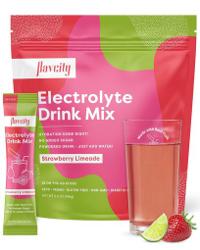
This electrolyte supplement features high-quality ingredients such as magnesium citrate, potassium citrate, and unrefined sea salt, which are beneficial for hydration and electrolyte balance. The use of organic stevia as a natural sweetener and the absence of artificial additives or harmful ingredients contribute to its clean formulation. The product's minimal processing and focus on bioavailable forms of electrolytes make it a strong choice for supporting hydration and performance.
Key ingredients 9
Magnesium CitrateGood
Magnesium citrate is a bioavailable form of magnesium, an essential mineral for muscle and nerve function. It is often used in supplements to support electrolyte balance and prevent muscle cramps. Its citrate form enhances absorption compared to other magnesium salts.
Risks
High doses may cause diarrhea or gastrointestinal upset.
Benefits
Supports muscle and nerve function and helps maintain electrolyte balance.
Potassium CitrateGood
Potassium citrate is a well-absorbed form of potassium, crucial for maintaining fluid balance and proper muscle function. It is often included in electrolyte supplements to prevent cramps and support cardiovascular health. Its citrate form aids in better absorption and utilization.
Risks
Excessive intake can lead to hyperkalemia, especially in individuals with kidney issues.
Benefits
Helps maintain electrolyte balance and supports cardiovascular and muscle health.
Dicalcium Phosphate AnhydrousGood
Dicalcium phosphate anhydrous is a source of calcium and phosphorus, essential minerals for bone health. It is commonly used in supplements to support bone density and overall mineral balance. Its anhydrous form ensures stability and solubility in formulations.
Risks
Excessive intake may lead to imbalances in calcium and phosphorus levels.
Benefits
Supports bone health and provides essential minerals for various bodily functions.
Unrefined Sea SaltGood
Unrefined sea salt contains trace minerals and electrolytes that support hydration and electrolyte balance. Unlike refined salt, it retains natural minerals that can be beneficial for health. It is often preferred for its mineral content and less processed nature.
Risks
Excessive sodium intake can contribute to hypertension and cardiovascular issues.
Benefits
Provides essential electrolytes and trace minerals that support hydration and overall health.
Lemon Juice PowderNeutral
Lemon juice powder is a natural flavoring agent that provides a citrus taste. It is derived from lemon juice and may contain some vitamin C, though processing can reduce its nutritional content. It is generally considered safe and adds flavor without significant health concerns.
Benefits
Provides a natural source of flavor and may contain trace amounts of vitamin C.
Non-GMO Citric AcidNeutral
Citric acid is commonly used as a preservative and flavor enhancer in food products. Being non-GMO indicates it is not derived from genetically modified organisms, which is a quality indicator for some consumers. It is generally recognized as safe when consumed in typical amounts.
Risks
Excessive consumption may cause gastrointestinal discomfort in sensitive individuals.
Benefits
Acts as a natural preservative and enhances flavor without significant health concerns.
Lemon ExtractNeutral
Lemon extract is used for flavoring and is derived from lemon peels or juice. It provides a natural citrus flavor without significant nutritional content. It is generally considered safe and adds flavor without artificial additives.
Benefits
Adds natural flavor and aroma to the product.
Lime ExtractNeutral
Lime extract is used for flavoring and is derived from lime peels or juice. It provides a natural citrus flavor without significant nutritional content. It is generally considered safe and adds flavor without artificial additives.
Benefits
Adds natural flavor and aroma to the product.
Organic Stevia Leaf ExtractNeutral
Stevia leaf extract is a natural, zero-calorie sweetener derived from the stevia plant. Being organic indicates it is grown without synthetic pesticides or fertilizers, which is a quality indicator. It is widely used as a sugar substitute without significant health concerns.
Benefits
Provides sweetness without calories, making it suitable for sugar-restricted diets.
Processing
Ultra-Processed Foods
Get the full breakdown in the Scout appTake Scout shopping
Scan any product to see lab results, healthy alternatives, and your personalized analysis.
Download on theApp Store GET IT ONGoogle Play