


At a glance
Summary
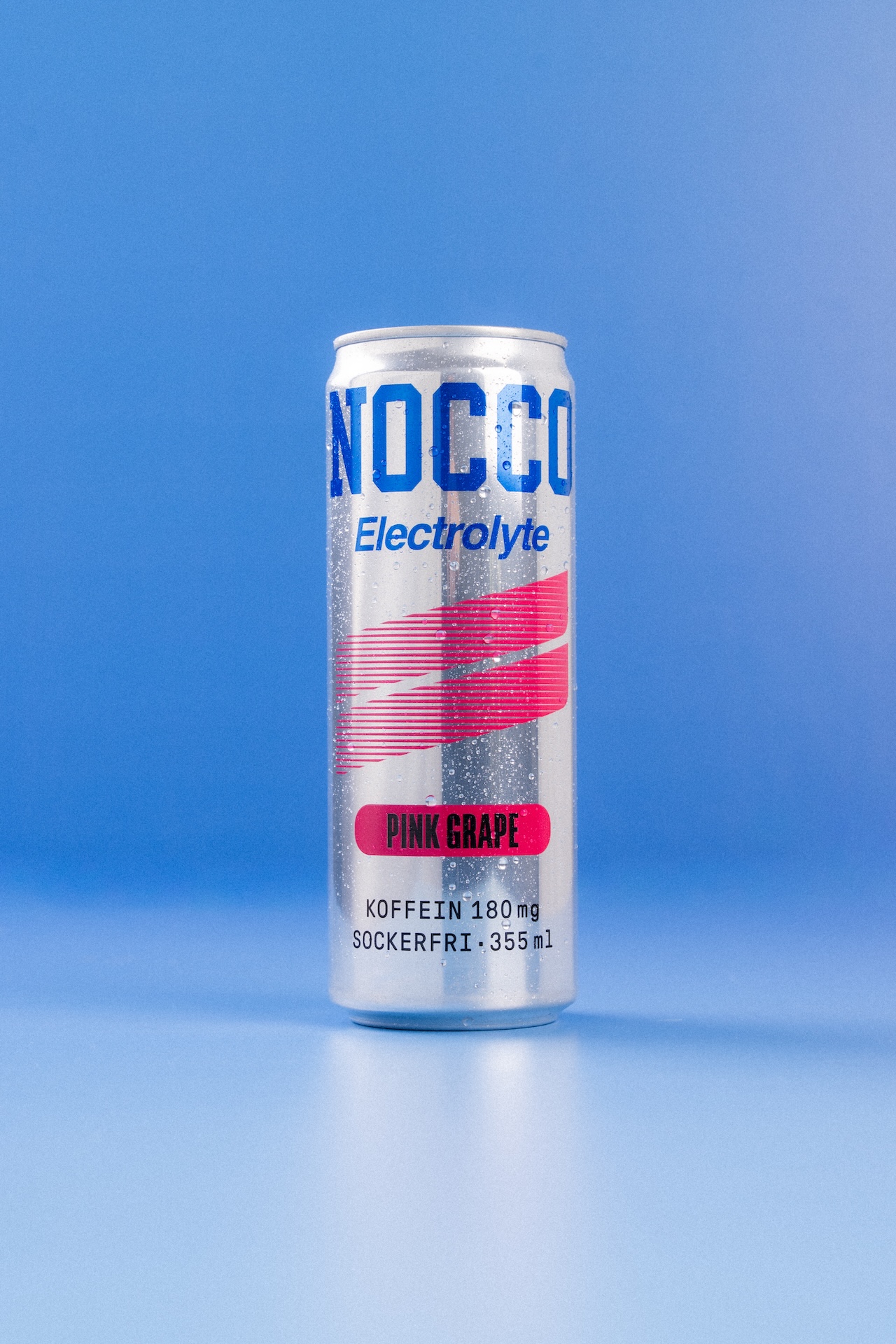
This beverage is composed primarily of carbonated water and essential vitamins and minerals, such as potassium, magnesium, and B vitamins, which contribute positively to health. The product is minimally processed with no harmful additives, artificial colors, or sweeteners, making it a clean and healthy choice. Its low processing level and absence of controversial ingredients support a high rating.
Key ingredients 11
PotassiumVery Good
Potassium is an essential mineral that plays a crucial role in maintaining fluid balance and proper muscle function. It is beneficial for heart health and helps to counteract the effects of sodium, potentially lowering blood pressure. Adequate potassium intake is associated with reduced risk of stroke and cardiovascular diseases.
Risks
Excessive intake can lead to hyperkalemia, which can cause heart problems.
Benefits
Supports heart health and helps maintain proper muscle and nerve function.
Vitamin B6Very Good
Vitamin B6 is crucial for brain development and function, as well as the production of neurotransmitters. It aids in the formation of hemoglobin and helps regulate homocysteine levels, reducing the risk of heart disease. Vitamin B6 also supports immune function and may improve mood.
Risks
Excessive intake can lead to nerve damage.
Benefits
Supports brain health, immune function, and cardiovascular health.
MagnesiumGood
Magnesium is a vital mineral involved in over 300 biochemical reactions in the body, including energy production and muscle contraction. It is important for bone health and may help reduce the risk of osteoporosis. Magnesium also supports a healthy immune system and may improve sleep quality.
Risks
Excessive magnesium intake can lead to diarrhea and abdominal cramping.
Benefits
Essential for bone health, energy production, and muscle function.
NiacinGood
Niacin, also known as vitamin B3, is essential for converting food into energy and maintaining healthy skin and nerves. It plays a role in DNA repair and the production of stress and sex hormones. Adequate niacin intake can help lower cholesterol levels and reduce the risk of cardiovascular diseases.
Risks
High doses can cause skin flushing and liver damage.
Benefits
Supports energy production and may help lower cholesterol levels.
BiotinGood
Biotin, also known as vitamin B7, is important for the metabolism of carbohydrates, fats, and proteins. It supports healthy hair, skin, and nails and plays a role in gene regulation. Biotin deficiency is rare but can lead to hair loss and skin rashes.
Benefits
Supports metabolism and promotes healthy hair, skin, and nails.
Vitamin B12Good
Vitamin B12 is essential for nerve tissue health, brain function, and the production of red blood cells. It helps prevent megaloblastic anemia, which can cause fatigue and weakness. Adequate B12 intake is crucial for maintaining energy levels and cognitive function.
Benefits
Supports nerve health and red blood cell production.
Carbonated WaterNeutral
Carbonated water is simply water that has been infused with carbon dioxide gas under pressure. It is generally considered neutral as it does not provide significant nutritional benefits or risks. It serves as a base for the beverage without adding calories or sugars.
See more about Carbonated Water →Sodium CitrateNeutral
Sodium citrate is used as an acidity regulator and can help maintain the pH balance of the beverage. It is generally recognized as safe when consumed in typical amounts found in foods and beverages. It does not provide significant nutritional benefits but helps improve the taste and stability of the product.
See more about Sodium Citrate →Folic AcidNeutral
Standard formulation ingredient — neither beneficial nor harmful at typical use.
Risks
Excessive intake can mask vitamin B12 deficiency symptoms.
Benefits
Essential for DNA synthesis and preventing birth defects.
Citric AcidNeutral
Citric acid is a natural acid found in citrus fruits and is used as a preservative and flavor enhancer. It is generally recognized as safe and helps improve the taste and shelf life of the beverage. While it does not provide significant nutritional benefits, it can enhance the absorption of minerals like calcium.
Risks
Excessive consumption can lead to tooth enamel erosion.
Benefits
Enhances flavor and mineral absorption.
Acidity RegulatorNeutral
Acidity regulators are used to maintain the pH balance of foods and beverages, ensuring stability and taste. They are generally recognized as safe and do not provide significant nutritional benefits. Their primary role is to enhance the product's shelf life and sensory attributes.
Processing
Processed Culinary Ingredients
Get the full breakdown in the Scout appTake Scout shopping
Scan any product to see lab results, healthy alternatives, and your personalized analysis.
Download on theApp Store GET IT ONGoogle Play