
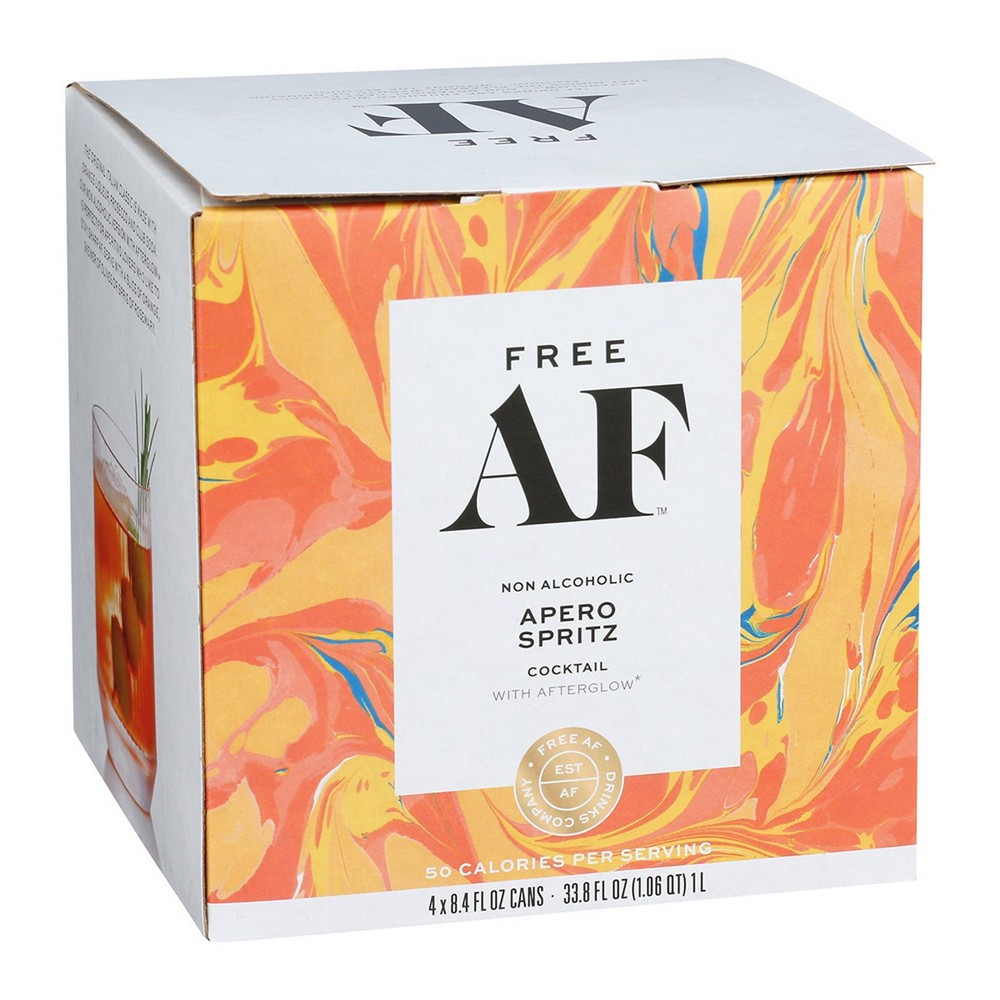

Free AF Non-Alcoholic Apero Spritz - 4pk/8.4 fl oz Cans
Analysis updated September 2026 · How Scout scores
At a glance
Summary
This beverage contains organic sugar, which, despite being organic, contributes to added sugar intake, potentially impacting health negatively if consumed in excess. The product uses natural colorants like beta carotene and vegetable juice, which are preferable to artificial dyes. However, the presence of 'natural flavors' and the level of processing limit its score, despite the absence of major harmful additives.
Key ingredients 7
Beta Carotene For ColorGood
Beta carotene is a natural pigment found in plants that gives them their orange color. It is a precursor to vitamin A, which is essential for vision and immune function. As a natural colorant, it is a healthier alternative to artificial dyes.
Benefits
It is a source of vitamin A, which is important for maintaining healthy vision and immune function.
Ascorbic AcidGood
Vitamin C — beneficial even when serving as a preservative.
Benefits
Acts as an antioxidant and preservative, helping to maintain the quality and shelf life of the product.
Carbonated WaterNeutral
Carbonated water is simply water infused with carbon dioxide gas under pressure. It is a common base for many beverages and does not contain any calories or sugars. There are no significant health impacts associated with its consumption.
See more about Carbonated Water →Citric AcidNeutral
Citric acid is a weak organic acid commonly used as a preservative and flavor enhancer in foods and beverages. It is naturally found in citrus fruits and is generally recognized as safe. It can help enhance flavor and preserve freshness.
Risks
Excessive consumption may lead to dental erosion, but it is generally safe in moderate amounts.
Benefits
It acts as a preservative and can enhance the flavor profile of beverages.
Vegetable Juice For ColorNeutral
Vegetable juice for color is used as a natural coloring agent in foods and beverages. It is derived from vegetables and is considered a healthier alternative to artificial colorings. The specific nutritional impact depends on the type of vegetable used.
Benefits
Provides a natural alternative to synthetic colorings, but offers minimal nutritional benefits.
Organic SugarBad
Organic sugar is a form of sucrose derived from organic sugarcane or sugar beets. Despite being organic, it still contributes to added sugar intake, which can lead to health issues like obesity and diabetes when consumed in excess. The organic label indicates it is free from synthetic pesticides and fertilizers.
Risks
Excessive consumption of added sugars can lead to obesity, type 2 diabetes, and heart disease.
Benefits
Being organic, it is free from synthetic pesticides and fertilizers, but it offers no significant nutritional benefits over regular sugar.
Natural FlavorsBad
Umbrella term that can hide dozens of undisclosed synthetic constituents.
Risks
Potential allergens or sensitivities may be present, but specific risks are generally low.
Processing
Processed Foods
Get the full breakdown in the Scout appTake Scout shopping
Scan any product to see lab results, healthy alternatives, and your personalized analysis.
Download on theApp Store GET IT ONGoogle Play