


Blue Zones Kitchen BURRITO BOWL
Analysis updated August 2026 · How Scout scores
At a glance
Summary
This burrito bowl contains a variety of beneficial ingredients such as organic black beans, sweet potatoes, and extra virgin olive oil, which contribute to its nutritional value. However, it is classified as ultra-processed due to the inclusion of tofu puree and other processed components, which limits its score despite the presence of healthy ingredients. The product's processing level necessitates a cap on its score, preventing it from reaching the highest tier of healthiness.
Key ingredients 11
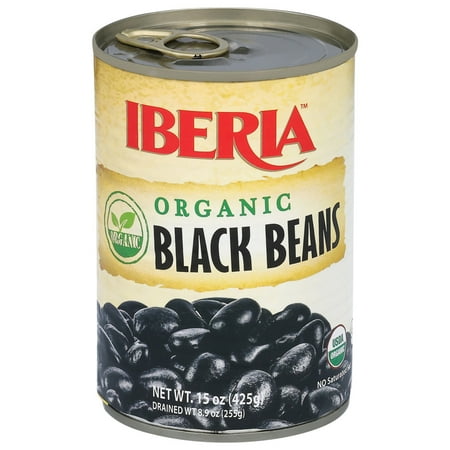
Organic black beansVery Good
Organic black beans are a rich source of plant-based protein and fiber. They are minimally processed and provide essential nutrients like iron and magnesium. Being organic, they are free from synthetic pesticides and fertilizers.
Benefits
High in fiber and protein, supporting digestive health and muscle maintenance. Contains antioxidants that may reduce the risk of chronic diseases.
Sweet potatoVery Good
Sweet potatoes are a nutrient-dense root vegetable rich in vitamins A and C. They are minimally processed and provide dietary fiber and antioxidants. Their natural sweetness comes from complex carbohydrates, not added sugars.
Benefits
Rich in beta-carotene, supporting eye health and immune function. Provides fiber that aids in digestion and helps maintain stable blood sugar levels.
TomatoVery Good
Tomatoes are a low-calorie fruit rich in vitamins C and K. They are minimally processed and contain the antioxidant lycopene, which has been linked to reduced risk of heart disease. Tomatoes are versatile and enhance the flavor profile of dishes.
Benefits
High in antioxidants that may reduce inflammation and lower the risk of chronic diseases. Supports skin health and immune function.
Red quinoaVery Good
Red quinoa is a whole grain that is high in protein and fiber. It is minimally processed and provides essential amino acids, making it a complete protein source. Quinoa is also rich in minerals like magnesium and phosphorus.
Benefits
Supports muscle growth and repair due to its complete protein profile. High fiber content aids in digestion and promotes satiety.
Extra virgin olive oilVery Good
High-quality monounsaturated fat with anti-inflammatory properties. Contains antioxidants that support heart health. Cold-pressed extraction preserves beneficial compounds.
Benefits
Rich in monounsaturated fats that support heart health and provide anti-inflammatory properties. Contains antioxidants like vitamin E and polyphenols that may reduce oxidative stress.
CornGood
Corn is a whole grain that provides carbohydrates and fiber. It is a minimally processed ingredient that offers vitamins such as B vitamins and minerals like magnesium. Corn is naturally gluten-free, making it suitable for those with gluten sensitivities.
Benefits
Provides energy through carbohydrates and supports digestive health with fiber. Contains antioxidants like lutein and zeaxanthin, which are beneficial for eye health.
Tofu pureeGood
Tofu puree is made from soybeans and is a good source of plant-based protein. It is processed with natural coagulants like magnesium chloride and calcium chloride. Tofu is versatile and can be used in various dishes to enhance protein content.
Risks
Some individuals may have soy allergies or sensitivities.
Benefits
Provides a high-quality protein source that is low in saturated fat. Contains isoflavones, which may have heart health benefits.
Sea saltGood
Sea salt is a minimally processed source of sodium and trace minerals. It enhances the flavor of foods without the need for excessive processing. Sea salt is often preferred for its natural mineral content compared to refined table salt.
Risks
Excessive consumption of salt can lead to high blood pressure and cardiovascular issues.
Benefits
Provides essential sodium for maintaining fluid balance and nerve function. Contains trace minerals that may support overall health.
TurmericGood
Turmeric is a spice known for its anti-inflammatory and antioxidant properties. It is minimally processed and contains curcumin, which has been studied for its potential health benefits. Turmeric is often used in cooking for its flavor and health-promoting properties.
Benefits
May reduce inflammation and support joint health. Contains antioxidants that can protect against oxidative stress.
KonjacNeutral
Konjac is a plant-based ingredient used for its thickening and gelling properties. It is minimally processed and often used in low-calorie foods. Konjac is known for its high fiber content, particularly glucomannan.
Risks
May cause digestive discomfort in some individuals if consumed in large amounts.
Benefits
Provides soluble fiber that can aid in digestion and promote feelings of fullness.
Yeast extractBad
Concentrated glutamate source — MSG-adjacent flavor enhancer.
Risks
May cause reactions in individuals sensitive to glutamates.
Benefits
Enhances flavor naturally and can reduce the need for added salt.
Processing
Ultra-Processed Foods
Get the full breakdown in the Scout appTake Scout shopping
Scan any product to see lab results, healthy alternatives, and your personalized analysis.
Download on theApp Store GET IT ONGoogle PlayAmazon pricing & content
CERTAIN CONTENT THAT APPEARS ON THIS SITE COMES FROM AMAZON. THIS CONTENT IS PROVIDED “AS IS” AND IS SUBJECT TO CHANGE OR REMOVAL AT ANY TIME.