
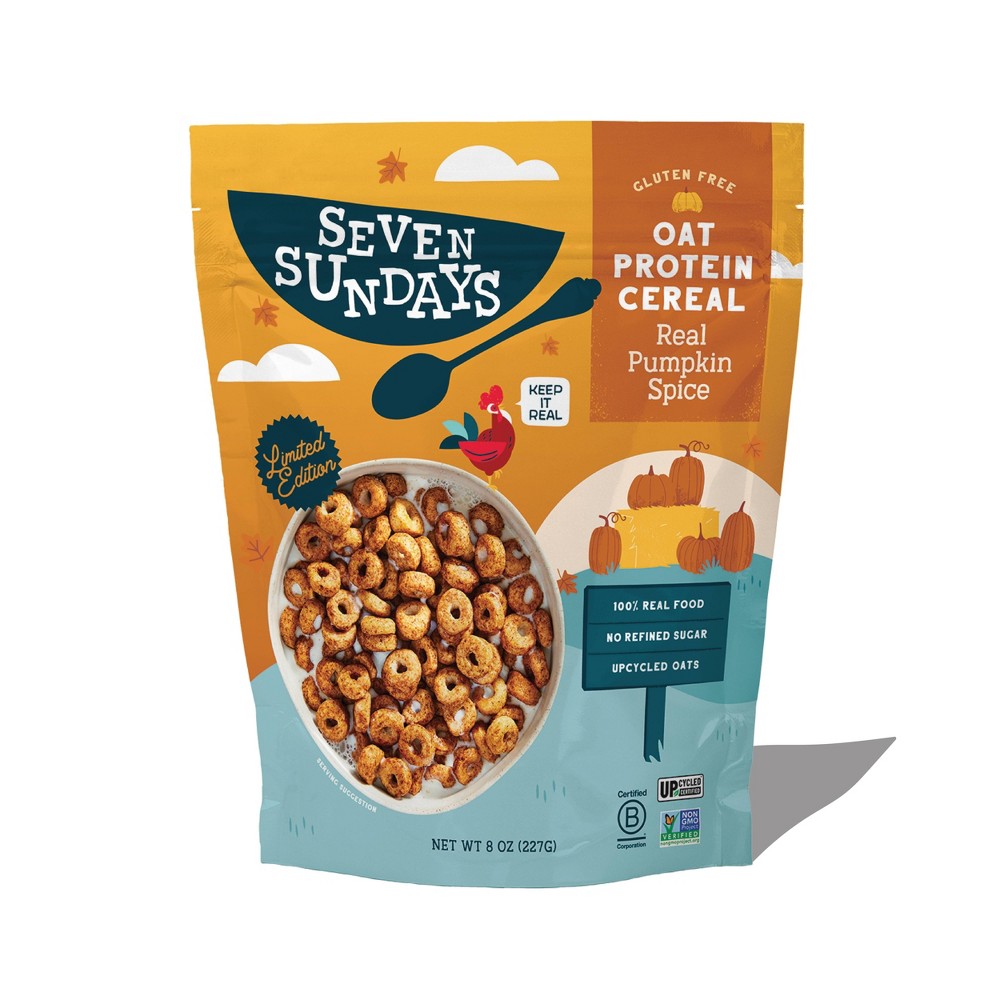



Seven Sundays Pumpkin Oat Protein Cereal - 8oz
Analysis updated September 2026 · How Scout scores
At a glance
Summary
This cereal contains beneficial ingredients such as oat protein concentrate and oat flour, which provide fiber and nutrients. The use of coconut oil instead of seed oils is a positive aspect. However, the presence of cane sugar contributes to the overall sugar content, which can be a concern for metabolic health. The product is moderately processed, which limits its score despite the clean ingredient list.
Key ingredients 9
Oat protein concentrateGood
Oat protein concentrate is a plant-based protein source that provides essential amino acids. It is less processed compared to soy protein isolates and offers a good protein profile for vegetarians. The use of oats as a base ensures a higher fiber content, which is beneficial for digestion.
Benefits
Provides a good source of plant-based protein and fiber, supporting muscle maintenance and digestive health.
Oat flourGood
Oat flour is a whole grain ingredient that retains the bran and germ, providing fiber and nutrients. It is minimally processed and contributes to a lower glycemic index compared to refined flours. Oats are known for their beta-glucan content, which can help lower cholesterol levels.
Benefits
Rich in fiber and beta-glucans, which support heart health and provide sustained energy.
Natural mixed tocopherolsGood
Natural mixed tocopherols are a form of vitamin E used as an antioxidant to preserve freshness. They are derived from natural sources and help protect cells from oxidative damage. This ingredient is beneficial for maintaining the product's shelf life without synthetic preservatives.
Benefits
Acts as a natural antioxidant, supporting cell protection and product freshness.
HoneyGood
Traditional whole-food sweetener with trace enzymes and antioxidants.
Risks
Excessive consumption can contribute to increased blood sugar levels.
Benefits
Provides a natural source of sweetness with trace nutrients.
Coconut oilGood
Coconut oil is a source of medium-chain triglycerides (MCTs), which are easily metabolized for energy. It is less processed than seed oils and provides a stable fat source for cooking. Coconut oil is praised for its potential antimicrobial properties.
Risks
High in saturated fats, which should be consumed in moderation.
Benefits
Rich in MCTs that support energy metabolism and may have antimicrobial benefits.
Sea saltGood
Sea salt is a minimally processed salt that contains trace minerals. It is used to enhance flavor and is considered a healthier alternative to refined table salt. The presence of trace minerals can contribute to electrolyte balance.
Risks
Excessive sodium intake can lead to hypertension and cardiovascular issues.
Benefits
Contains trace minerals that support electrolyte balance and enhance flavor.
Tapioca starchNeutral
Tapioca starch is a refined carbohydrate used as a thickener and stabilizer. It is derived from the cassava root and is gluten-free, making it suitable for those with gluten sensitivities. While it provides texture, it lacks significant nutritional benefits.
Benefits
Provides a gluten-free thickening agent, suitable for those with gluten sensitivities.
Corn flourNeutral
Corn flour is a refined flour made from corn, used to add texture and bulk. It is gluten-free and provides some carbohydrates but lacks fiber and protein compared to whole grains. It is often used in combination with other flours to improve texture.
Benefits
Offers a gluten-free option for texture enhancement in baked goods.
Cane sugarBad
Cane sugar is a refined sugar that contributes to the overall sugar content of the product. It is associated with increased risk of obesity and metabolic disorders when consumed in excess. Despite being a natural sugar, it lacks nutritional benefits.
Risks
Excessive consumption can lead to weight gain and increased risk of metabolic diseases.
Benefits
Provides sweetness but lacks significant nutritional benefits.
Processing
Processed Foods
Get the full breakdown in the Scout appTake Scout shopping
Scan any product to see lab results, healthy alternatives, and your personalized analysis.
Download on theApp Store GET IT ONGoogle Play