

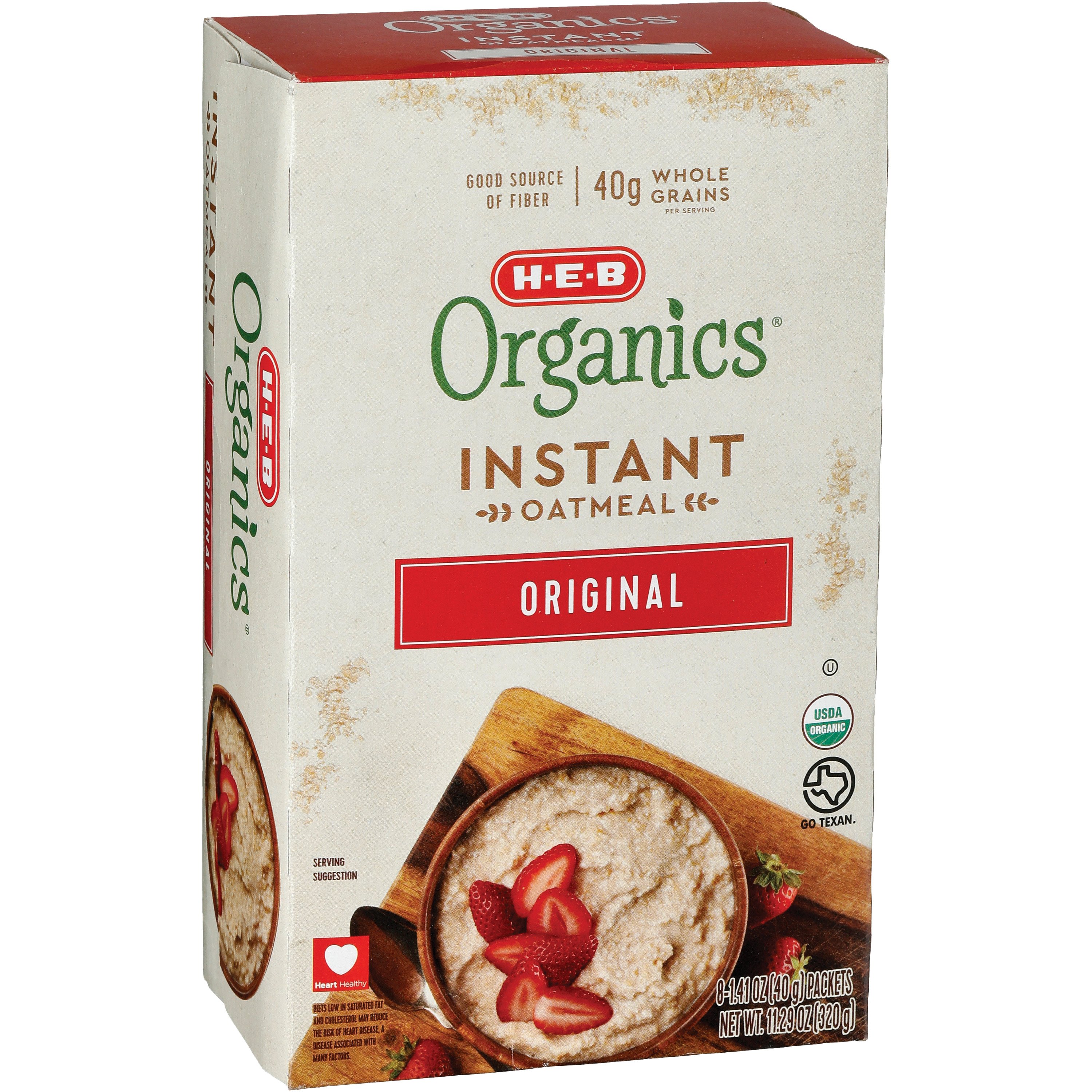


Signature Select Verity Pack Instant Oatmeal
Analysis updated August 2026 · How Scout scores
At a glance
Summary
This instant oatmeal contains whole grain rolled oats, which are a nutritious and minimally processed ingredient, providing dietary fiber and essential nutrients. However, the product is processed and includes added sugar and natural flavors, which are less desirable due to their potential health impacts and lack of transparency. The presence of vitamins and minerals is beneficial, but the overall processing level and inclusion of refined sugar limit its healthfulness.
Key ingredients 18
Whole Grain Rolled OatsVery Good
Whole grain rolled oats are a rich source of dietary fiber and essential nutrients. They are minimally processed, retaining most of their natural nutrients. Oats are known for their heart health benefits and ability to stabilize blood sugar levels.
Benefits
Rich in beta-glucan, a type of soluble fiber that can help lower cholesterol levels and improve heart health.
Ferric OrthophosphateGood
Ferric orthophosphate is used as an iron fortification in foods. It helps prevent iron deficiency anemia by providing a source of dietary iron. It is a stable form of iron that is commonly added to cereals and other fortified foods.
Risks
Excessive iron intake can lead to toxicity, especially in individuals with hemochromatosis.
Benefits
Provides a source of iron, which is essential for oxygen transport and energy production in the body.
NiacinamideGood
Niacinamide is a form of vitamin B3 used to fortify foods. It supports energy metabolism and skin health. It is water-soluble and easily absorbed by the body.
Risks
High doses can cause liver damage and gastrointestinal issues.
Benefits
Supports energy production and helps maintain healthy skin.
Pyridoxine HydrochlorideGood
Pyridoxine hydrochloride is a form of vitamin B6 used in food fortification. It plays a crucial role in amino acid metabolism and neurotransmitter synthesis. It is essential for brain health and immune function.
Risks
Excessive intake can lead to nerve damage and sensory neuropathy.
Benefits
Supports brain health and aids in the production of neurotransmitters.
Thiamine MononitrateGood
Thiamine mononitrate is a form of vitamin B1 used to fortify foods. It is essential for carbohydrate metabolism and energy production. It supports nerve function and overall energy levels.
Benefits
Essential for energy metabolism and supports healthy nerve function.
RiboflavinGood
Riboflavin, or vitamin B2, is used to fortify foods and supports energy production. It is crucial for the metabolism of fats, carbohydrates, and proteins. It also plays a role in maintaining healthy skin and eyes.
Benefits
Supports energy metabolism and helps maintain healthy skin and eyes.
CinnamonGood
Cinnamon is a spice known for its antioxidant properties and potential to regulate blood sugar levels. It is a natural ingredient that adds flavor and aroma. Some studies suggest it may have anti-inflammatory effects.
Risks
Excessive consumption can lead to liver damage due to coumarin content in some cinnamon varieties.
Benefits
Rich in antioxidants and may help regulate blood sugar levels.
SaltNeutral
Salt is used to enhance flavor but offers no significant nutritional benefits. It is a refined ingredient that can contribute to high sodium intake if consumed in excess. Moderation is key to avoiding potential health issues related to high sodium consumption.
Risks
Excessive salt intake can lead to hypertension and increased risk of cardiovascular diseases.
Calcium CarbonateNeutral
Standard formulation ingredient — neither beneficial nor harmful at typical use.
Risks
Excessive intake can lead to hypercalcemia, which may cause kidney stones and impaired absorption of other minerals.
Benefits
Provides a source of calcium, which is essential for maintaining strong bones and teeth.
Guar GumNeutral
Guar gum is a thickening agent derived from guar beans. It is used to improve texture and stability in processed foods. While generally safe, it can cause digestive issues in sensitive individuals.
Risks
May cause digestive discomfort such as bloating or gas in some individuals.
Vitamin A PalmitateNeutral
Standard formulation ingredient — neither beneficial nor harmful at typical use.
Risks
Excessive intake can lead to hypervitaminosis A, causing liver damage and other health issues.
Benefits
Essential for maintaining healthy vision, immune function, and skin integrity.
Folic AcidNeutral
Standard formulation ingredient — neither beneficial nor harmful at typical use.
Risks
Excessive intake can mask vitamin B12 deficiency and lead to neurological damage.
Benefits
Crucial for DNA synthesis and cell division, especially important during pregnancy.
Dried ApplesNeutral
Dried apples provide natural sweetness and some fiber. They are treated with sodium sulfite to retain color, which may cause sensitivity in some individuals. While they offer some nutrients, the drying process reduces vitamin content.
Risks
Sodium sulfite can cause allergic reactions in sensitive individuals.
Benefits
Provides natural sweetness and some dietary fiber.
Citric AcidNeutral
Citric acid is a natural preservative and flavor enhancer. It is commonly used to add acidity and preserve freshness in foods. While generally safe, it can cause tooth enamel erosion if consumed in large amounts.
Risks
High consumption can lead to tooth enamel erosion.
SpiceNeutral
Spices are used to enhance flavor and may offer some health benefits depending on the type. They are natural ingredients that can add aroma and taste to foods. The specific health impact depends on the individual spices used.
Risks
Potential allergen risk if specific spices are not disclosed.
Benefits
May provide antioxidants and other health benefits depending on the spice.
SugarBad
Refined sugar is associated with increased risk of obesity, diabetes, and heart disease. It is a highly processed ingredient that provides empty calories without nutritional benefits. Excessive consumption can lead to metabolic issues and dental problems.
Risks
High intake of refined sugar can contribute to weight gain, insulin resistance, and increased risk of chronic diseases.
Natural FlavorBad
Natural flavors are often used to enhance taste but lack transparency in their composition. They are highly processed and can contain a variety of chemical compounds. The lack of disclosure can be concerning for individuals with allergies or sensitivities.
Risks
Potential allergen risk due to undisclosed ingredients and chemical additives.
Caramel ColorBad
Processed additive flagged under Scout's ingredient doctrine.
Risks
Certain types of caramel color may contain 4-MEI, a potential carcinogen, though levels in food are typically low.
Processing
Processed Foods
Get the full breakdown in the Scout appTake Scout shopping
Scan any product to see lab results, healthy alternatives, and your personalized analysis.
Download on theApp Store GET IT ONGoogle PlayAmazon pricing & content
Amazon price as of . Product prices and availability are accurate as of the date/time indicated and are subject to change. Any price and availability information displayed on Amazon.com at the time of purchase will apply to the purchase of this product.
CERTAIN CONTENT THAT APPEARS ON THIS SITE COMES FROM AMAZON. THIS CONTENT IS PROVIDED “AS IS” AND IS SUBJECT TO CHANGE OR REMOVAL AT ANY TIME.