


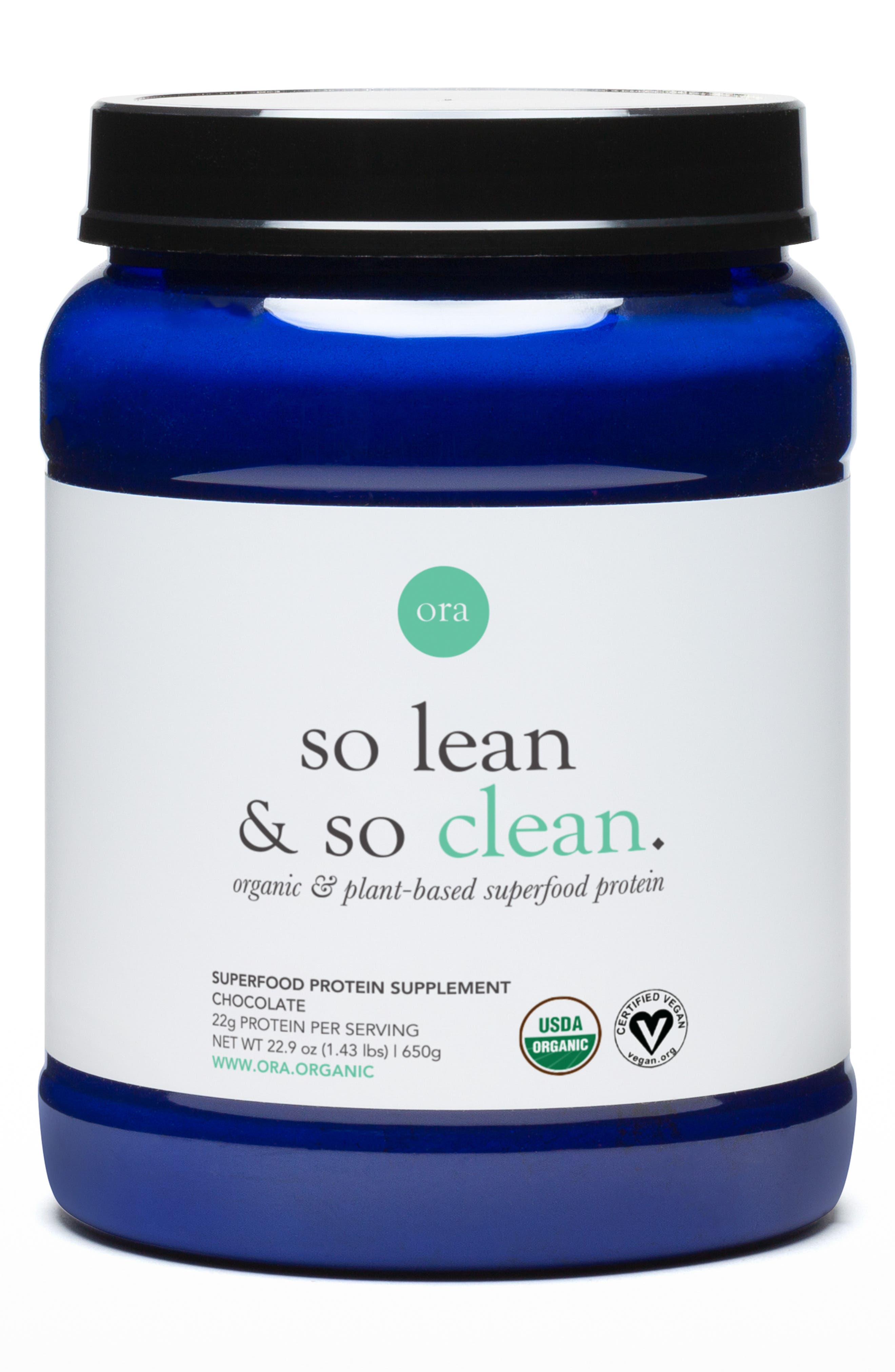
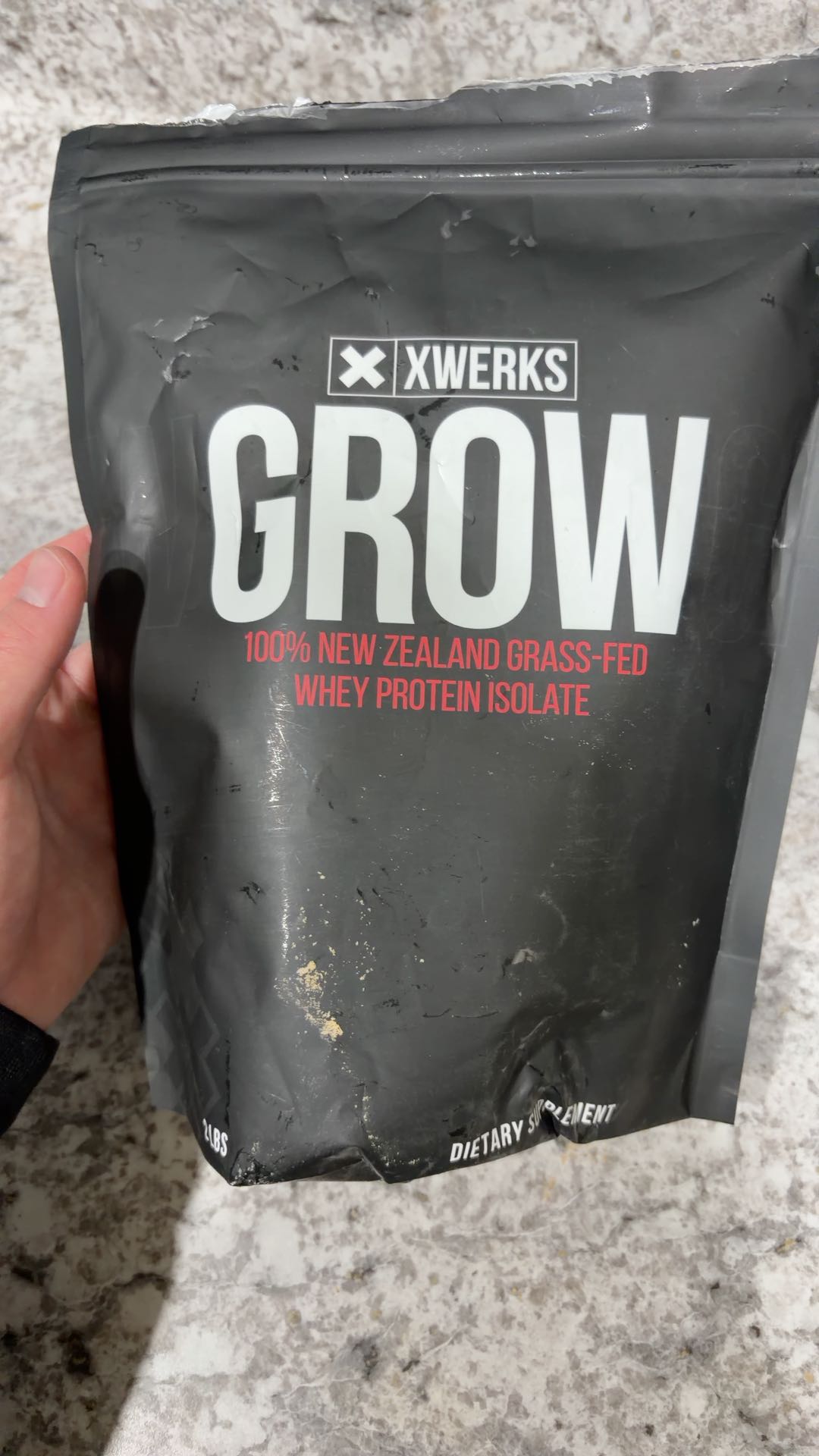
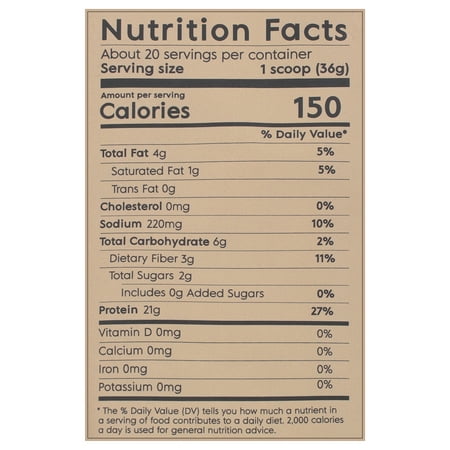
RAW Protein 30g Protein Shake, Chocolate
Summary
This protein shake contains high-quality protein sources like milk protein isolate and calcium caseinate, which are beneficial for muscle repair and growth. However, the presence of artificial sweeteners such as acesulfame potassium and sucralose, along with natural and artificial flavors, raises concerns due to potential health effects and lack of transparency. The product also includes several additives, which contribute to its high processing level, impacting its overall healthiness.
At a glance
Key ingredients 17
Filtered WaterNeutral
Filtered water is used as a base for the shake, providing hydration without any calories or nutrients. It is a neutral ingredient that does not contribute to the nutritional profile of the product. It serves as a solvent for other ingredients.
See more about Filtered Water →Milk Protein IsolateGood
Milk protein isolate is a high-quality protein source derived from milk, providing a complete amino acid profile. It is beneficial for muscle repair and growth, especially in active individuals. The processing method retains most of the protein content while removing fats and lactose.
Risks
May cause digestive issues in individuals with lactose intolerance or milk allergies.
Benefits
Rich in essential amino acids, supporting muscle synthesis and recovery.
Calcium CaseinateGood
Calcium caseinate is a slow-digesting protein derived from milk, providing sustained amino acid release. It is beneficial for prolonged muscle protein synthesis, especially during periods of fasting. The processing involves separating casein from milk, which retains its nutritional value.
Risks
May cause digestive discomfort in those with milk allergies or lactose intolerance.
Benefits
Supports muscle maintenance and growth over extended periods.
Alkalized CocoaNeutral
Alkalized cocoa is processed to reduce acidity and enhance flavor, often used in chocolate-flavored products. It provides a rich chocolate taste but minimal nutritional benefits. The alkalization process can reduce some antioxidant properties found in natural cocoa.
Benefits
Enhances flavor without adding significant calories or sugar.
Natural & Artificial FlavorBad
Natural and artificial flavors are used to enhance taste but can be vague in terms of specific ingredients. They may contain synthetic chemicals that some consumers prefer to avoid. The lack of transparency can be concerning for those with allergies or sensitivities.
Risks
Potential for allergic reactions or sensitivities due to undisclosed components.
Benefits
Improves taste and palatability of the product.
MCT OilNeutral
MCT oil is a source of medium-chain triglycerides, which are fats that are rapidly absorbed and used for energy. It is often included in supplements for its potential to support energy levels and weight management. The oil is typically derived from coconut or palm kernel oil.
Risks
Excessive consumption may lead to digestive discomfort or diarrhea.
Benefits
May support energy metabolism and weight management.
Cellulose GumNeutral
Cellulose gum is a thickening agent derived from plant fibers, used to improve texture and stability. It is generally recognized as safe and does not contribute calories or nutrients. It is commonly used in processed foods to enhance mouthfeel.
Benefits
Improves texture and stability of the product.
Cellulose GelNeutral
Cellulose gel is used as a thickener and stabilizer, derived from plant fibers. It helps maintain the consistency of the shake without adding calories. It is widely used in the food industry for its functional properties.
Benefits
Enhances product consistency and stability.
Sunflower LecithinBad
Sunflower lecithin is an emulsifier derived from sunflower seeds, used to blend ingredients. While not as harmful as seed oils, it is still a processed additive. It helps improve texture and mixability in the product.
Risks
May cause mild digestive issues in sensitive individuals.
Benefits
Improves emulsification and texture of the product.
Potassium CitrateNeutral
Potassium citrate is used as a buffering agent and to regulate acidity. It provides a source of potassium, an essential mineral for maintaining electrolyte balance. It is generally recognized as safe in food applications.
Benefits
Contributes to electrolyte balance and acidity regulation.
Gellan GumNeutral
Gellan gum is a gelling agent used to stabilize and thicken products. It is derived from bacterial fermentation and is considered safe for consumption. It helps maintain the desired texture and consistency of the shake.
Benefits
Stabilizes and thickens the product, enhancing texture.
Sodium PhosphateNeutral
Sodium phosphate is used as an emulsifier and to maintain product consistency. It is a common food additive that helps prevent separation of ingredients. It is generally recognized as safe in regulated amounts.
Risks
Excessive intake may affect kidney function in susceptible individuals.
Benefits
Maintains product consistency and prevents ingredient separation.
Sea SaltNeutral
Sea salt is used to enhance flavor and provide essential minerals. It is a natural source of sodium, which is important for fluid balance and nerve function. It is minimally processed compared to table salt.
Risks
Excessive consumption may contribute to high blood pressure.
Benefits
Provides essential minerals and enhances flavor.
Potassium ChlorideNeutral
Potassium chloride is used as a salt substitute to provide potassium, an essential mineral. It helps maintain electrolyte balance and supports muscle function. It is often used to reduce sodium content in foods.
Risks
High intake may lead to hyperkalemia in individuals with kidney issues.
Benefits
Supports electrolyte balance and muscle function.
Acesulfame PotassiumBad
Acesulfame potassium is an artificial sweetener used to provide sweetness without calories. It is controversial due to potential health concerns and its synthetic nature. It is often used in combination with other sweeteners to enhance sweetness.
Risks
Potential links to metabolic issues and concerns about long-term safety.
Benefits
Provides sweetness without adding calories.
SucraloseBad
Sucralose is an artificial sweetener that provides sweetness without calories. It is widely used in diet products but has been linked to potential negative health effects. It is much sweeter than sugar, allowing for lower usage amounts.
Risks
May affect gut health and insulin response in some individuals.
Benefits
Offers a non-caloric sweetening option.
Reb-MNeutral
Reb-M is a steviol glycoside derived from stevia, used as a natural sweetener. It provides sweetness without calories and is considered safe for consumption. It is often used in combination with other sweeteners to achieve a balanced taste.
Benefits
Provides natural sweetness without calories.
Processing
Ultra-Processed Foods
Get the full breakdown in the Scout app
Scan any product to see lab results, healthy alternatives, and your personalized analysis.
Download on theApp Store