


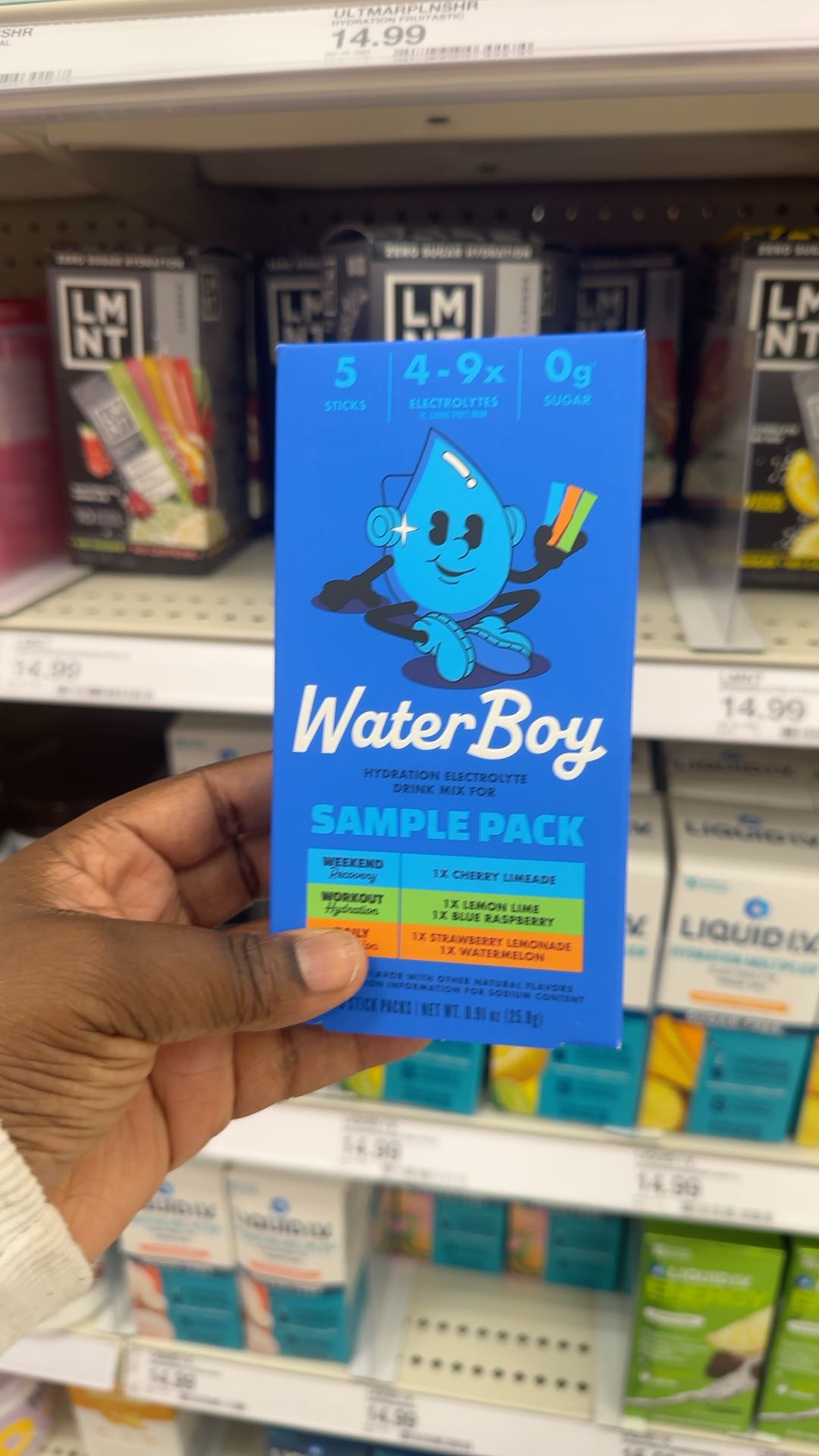
Hydrate + Creatine Electrolyte Drink Mix Cherry Limeade
Analysis updated September 2026 · How Scout scores
At a glance
Summary
This electrolyte drink mix features a clean formulation with natural ingredients like beet root and monk fruit, which are beneficial for health. It avoids artificial sweeteners and dyes, using natural flavors and colors instead. However, the presence of 'natural flavor' raises some concerns due to its lack of transparency, but overall, the product maintains a high standard of ingredient quality and minimal processing additives.
Key ingredients 9
Beet RootGood
Beet root is a natural source of nitrates, which can improve blood flow and athletic performance. It is minimally processed and retains many of its natural nutrients. Beet root is also rich in antioxidants and vitamins.
Benefits
Beet root supports cardiovascular health and provides essential nutrients and antioxidants.
Sea SaltGood
Beneficial ingredient — whole-food or functional value in this product class.
Risks
Excessive sodium intake can lead to high blood pressure and cardiovascular issues.
Benefits
Sea salt can enhance flavor and provide essential minerals in small amounts.
MaltNeutral
Malt is a cereal grain that is often used as a sweetener or flavor enhancer. It is processed from grains like barley, which may undergo malting to develop its flavor profile. While it provides some carbohydrates, it does not offer significant nutritional benefits.
Risks
Excessive consumption of malt can contribute to high sugar intake, which may lead to weight gain and other health issues.
Benefits
Malt can enhance the flavor of products and provide a source of energy through carbohydrates.
Citric AcidNeutral
Citric acid is a natural acid found in citrus fruits and is used as a preservative and flavoring agent. It is commonly used in food processing to add a sour taste and to preserve freshness. It is generally recognized as safe when consumed in typical amounts.
Risks
In large amounts, citric acid can cause tooth enamel erosion and gastrointestinal discomfort.
Benefits
Citric acid can enhance flavor and act as a natural preservative, extending the shelf life of products.
Malic AcidNeutral
Malic acid is an organic compound found in many fruits and is used to enhance flavor and acidity in foods. It is often used in processed foods to provide a tart taste. It is considered safe for consumption in moderate amounts.
Risks
Excessive intake of malic acid may lead to digestive issues such as stomach upset.
Benefits
Malic acid can improve the taste profile of foods and beverages, making them more palatable.
Fruit And Vegetable Juice (Color)Neutral
Fruit and vegetable juice is used as a natural coloring agent in foods and beverages. It is derived from natural sources and is generally considered safe. However, it does not contribute significant nutritional value in small amounts used for coloring.
Benefits
Provides a natural alternative to synthetic dyes, enhancing visual appeal without artificial additives.
Monk FruitNeutral
Monk fruit is a natural sweetener derived from the monk fruit plant, offering sweetness without calories. It is minimally processed and does not raise blood sugar levels. It is a popular alternative to artificial sweeteners.
Benefits
Monk fruit provides a calorie-free sweetening option that is suitable for those managing blood sugar levels.
Stevia Leaf ExtractNeutral
Stevia leaf extract is a natural sweetener derived from the stevia plant, offering sweetness without calories. It is processed to extract the sweet compounds, primarily steviol glycosides. It is considered safe and does not affect blood sugar levels.
Benefits
Stevia provides a natural, calorie-free sweetening option suitable for those managing calorie intake.
Natural FlavorBad
Natural flavors are complex mixtures created by flavorists to enhance taste, but their exact composition is often undisclosed. They can contain a variety of chemicals, some of which may not be beneficial to health. The lack of transparency and potential for synthetic additives is a concern.
Risks
Potential allergens and synthetic chemicals may be present, posing health risks to sensitive individuals.
Benefits
Natural flavors can improve the taste of products without adding calories.
Processing
Ultra-Processed Foods
Get the full breakdown in the Scout appTake Scout shopping
Scan any product to see lab results, healthy alternatives, and your personalized analysis.
Download on theApp Store GET IT ONGoogle Play