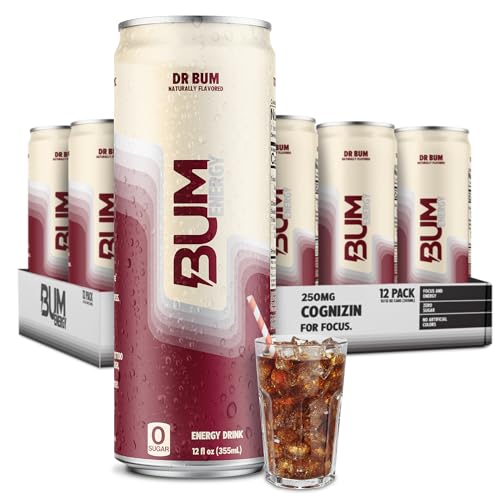
DR BUM Energy Drink
At a glance
Summary
This energy drink contains natural caffeine from coffee beans and Cognizin Citicoline, which are beneficial for cognitive function and energy. However, it is penalized for containing artificial sweeteners like sucralose and preservatives such as sodium benzoate and potassium sorbate, which are associated with potential health concerns. The presence of natural and artificial flavors further impacts the score due to their lack of transparency and potential chemical content.
Key ingredients 8
Cognizin CiticolineGood
Cognizin Citicoline is a compound that may support cognitive function and brain health. It is often included in energy drinks for its potential to enhance mental clarity and focus. Its benefits are supported by some clinical studies.
Benefits
May improve cognitive function and support brain health.
Natural Caffeine (From Coffee Bean)Good
Natural caffeine from coffee beans is a stimulant that can enhance alertness and energy levels. It is a natural source of caffeine, which is generally considered safer than synthetic alternatives. Its effects are well-documented and widely studied.
Risks
Excessive consumption can lead to jitteriness, insomnia, and increased heart rate.
Benefits
Enhances alertness and energy levels, and is a natural source of caffeine.
Carbonated WaterNeutral
Carbonated water is a neutral ingredient that provides the base for the beverage. It is simply water infused with carbon dioxide gas under pressure. There are no significant health impacts associated with its consumption.
See more about Carbonated Water →Natural And Artificial FlavorBad
Natural and artificial flavors are often used to enhance taste but lack transparency in their composition. They can contain a variety of chemicals, some of which may have health concerns. The lack of disclosure makes it difficult to assess their safety fully.
Risks
Potential risks include allergic reactions and unknown long-term health effects due to undisclosed chemical components.
Phosphoric AcidBad
Phosphoric acid is used to add acidity and tanginess to beverages. It is associated with potential negative health impacts, such as reduced bone density and dental erosion. Its consumption should be moderated, especially in individuals with kidney issues.
Risks
Excessive intake may lead to decreased bone mineral density and dental erosion.
SucraloseBad
Sucralose is an artificial sweetener used to provide sweetness without calories. It is controversial due to potential negative health impacts, including effects on gut health and glucose metabolism. Its long-term safety is still debated.
Risks
May affect gut microbiota and glucose metabolism negatively.
Benefits
Provides sweetness without adding calories.
Sodium BenzoateBad
Sodium benzoate is a preservative used to prevent microbial growth. It can form benzene, a known carcinogen, when combined with vitamin C under certain conditions. Its use is controversial due to potential health risks.
Risks
Potential formation of benzene, a carcinogen, when combined with vitamin C.
Benefits
Extends shelf life by preventing microbial growth.
Potassium SorbateBad
Potassium sorbate is a preservative used to inhibit mold and yeast growth. While generally recognized as safe, it can cause allergic reactions in sensitive individuals. Its use is common in processed foods and beverages.
Risks
May cause allergic reactions in sensitive individuals.
Benefits
Prevents spoilage by inhibiting mold and yeast growth.
Processing
Ultra-Processed Foods
Get the full breakdown in the Scout appTake Scout shopping
Scan any product to see lab results, healthy alternatives, and your personalized analysis.
Are you DR BUM? Fix an error Get the badge Get tested
Amazon pricing & content
Amazon price as of . Product prices and availability are accurate as of the date/time indicated and are subject to change. Any price and availability information displayed on Amazon.com at the time of purchase will apply to the purchase of this product.
CERTAIN CONTENT THAT APPEARS ON THIS SITE COMES FROM AMAZON. THIS CONTENT IS PROVIDED “AS IS” AND IS SUBJECT TO CHANGE OR REMOVAL AT ANY TIME.